
مصنع خلط الخرسانة في إثيوبيا: محطة ثابتة HZS60 تم تشغيلها في دير داوا
· شامل محطة خلط الخرسانة حلول
· 32+ سنوات من التراث الهندسي
نظرة عامة على المشروع
في أوائل عام 2026، قمنا بتسليم واحدة محطة خلط خرسانة ثابتة من طراز HZS60 في إثيوبيا لمقاول إنشاءات يخدم المنطقة الاقتصادية الخاصة في ديرة داوا. كان العميل بحاجة إلى إمداد موثوق بالخرسانة الجاهزة لمجموعة جديدة من المستودعات الصناعية. أكمل فريقنا التركيب في الموقع خلال 18 يومًا، تبعها تشغيل تجريبي مستمر لمدة 72 ساعة. اجتازت المحطة جميع اختبارات الأداء وبدأت الإنتاج الكامل في مارس 2026.

| المواصفات | التفاصيل |
|---|---|
| الموقع | ديرة داوا، شرق إثيوبيا |
| التطبيق | خرسانة جاهزة لبناء المستودعات الصناعية |
| طراز المحطة | HZS60 ثابتة |
| نوع الخلاط | خلاط مزدوج المحور JS1000 |
| الإنتاج المقدر | 60 م³/ساعة |
| حجم التفريغ | 1,000 لتر لكل دفعة |
| صناديق الركام | 4 صناديق × 8.38 م³ |
| دقة الوزن | الركام ±2%؛ الأسمنت / الماء / الإضافات ±1% |
| ارتفاع التفريغ | 1 م |
| وقت التركيب | 18 يومًا في الموقع |
| تاريخ التشغيل | مارس 2026 |
خلفية المشروع: لماذا ديرة داوا؟
تقع ديرة داوا في شرق إثيوبيا على ارتفاع حوالي 1,200 متر فوق مستوى سطح البحر—أقل بكثير من أديس أبابا. هذا الموقع مهم لسببين عمليين: الخدمات اللوجستية والمناخ.
الخدمات اللوجستية والطلب ديرة داوا هي البوابة البرية الرئيسية بين إثيوبيا وميناء جيبوتي. يتولى خط سكة حديد أديس-جيبوتي وميناء ديرة داوا الجاف التعامل مع حصة كبيرة من شحنات الاستيراد والتصدير في البلاد. ولهذا السبب، توسعت المنطقة الصناعية في ديرة داوا والمنطقة الاقتصادية الخاصة المحيطة بها بسرعة. تحتاج المصانع والطرق ومرافق التخزين الجديدة إلى كميات كبيرة من الخرسانة عالية الجودة والمتسقة. لا يمكن للخلط اليدوي الصغير في الموقع مواكبة هذا الحجم. كان العميل بحاجة إلى محطة خلط مركزية آلية لتلبية جداول البناء داخل المنطقة.
المناخ والبيئة ديرة داوا حارة وشبه قاحلة. غالبًا ما تتجاوز درجات الحرارة في الصيف 35 درجة مئوية, ، وتحمل الرياح الجافة الغبار من الأراضي المنخفضة المحيطة. بدون تصميم مناسب للمعدات، يمكن أن تتماسك الخرسانة بسرعة كبيرة، ويمكن أن تفقد أنظمة الوزن المفتوحة دقتها بسبب الرمال والغبار. اختار العميل محطة مغلقة بالكامل محطة دفعات ثابتة مع جمع الغبار وتخزين الركام المغطى للتعامل مع هذه الظروف. يحمي التصميم المغلق أيضًا خزانة التحكم وخلايا التحميل خلال موسم الرياح الجاف.
ظروف الموقع والتعديلات الفنية
تقع ديرة داوا في وادٍ شبه قاحل على ارتفاع حوالي 1,200 متر فوق مستوى سطح البحر. تصل درجات الحرارة خلال النهار بانتظام إلى 35 درجة مئوية ويمكن أن تتجاوز 40 درجة مئوية في الأشهر الأكثر حرارة. تعمل هذه الحرارة على تسريع إماهة الأسمنت، لذلك قمنا بتعديل تركيبة الإضافات لإبطاء التصلب الأولي والسماح بوقت نقل كافٍ إلى المواقع القريبة.
المنطقة أيضًا عاصفة ومغبرة لمعظم أيام السنة. أبقينا صناديق الركام مغلقة بالكامل وأضفنا جهاز جمع غبار نابض فوق منصة الوزن. تم إغلاق الخزانة الكهربائية بمعيار IP65 لحماية PLC وأجهزة إرسال خلايا التحميل من الغبار الناعم.
الركام المحلي هو في الغالب صخور بركانية صلبة وحجر جيري، وهو كاشط. تم تجهيز الخلاط JS1000 في هذه محطة خلط الخرسانة في إثيوبيا بشفرات وبطانات من سبائك الكروم العالية لإطالة عمر الأجزاء القابلة للتآكل. قمنا أيضًا بتركيب وحدة تنقية المياه ومثبت الجهد، لأن المياه الجوفية المحلية ذات عسر مرتفع وجهد الشبكة يمكن أن يتقلب.
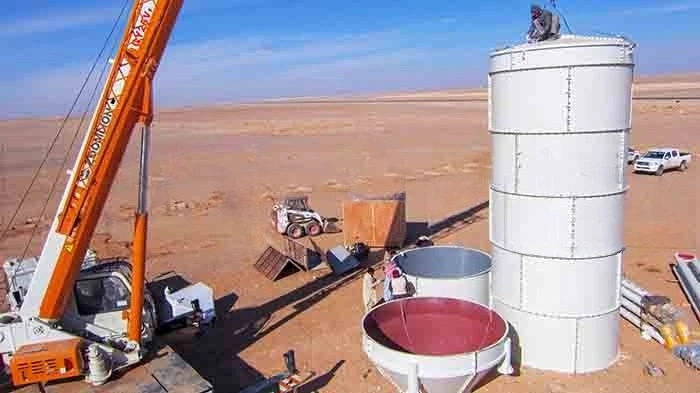
“تركيب صومعة أسمنت مثبتة بمسامير ثقيلة في الموقع في إثيوبيا. يشرف مهندسو CCS على التجميع الميكانيكي الدقيق والرفع الآمن لكل قسم معياري لضمان أقصى مقاومة للرياح والهيكل.”
السياق المحلي وتنفيذ المشروع
ديرة داوا هي موطن لمجتمعات الأمهرة والأورومو والصومال والعفر. في الموقع، عملنا باللغات الأمهرية والأوروميفا والإنجليزية، وترجمنا قوائم التشغيل اليومية إلى اللغات المحلية ليتمكن الطاقم من متابعتها دون ارتباك.
تستخدم إثيوبيا تقويمها الخاص، الذي يتأخر بحوالي سبع إلى ثماني سنوات عن التقويم الميلادي، ويمكن للعطلات الرئيسية مثل مسكل وعيد أن توقف العمل لعدة أيام. قمنا ببناء هذه الفترات في الجدول الزمني منذ البداية لتجنب المواعيد النهائية غير الواقعية.
قمنا أيضًا بتدريب ستة مشغلين محليين وفنيي صيانة اثنين أثناء التشغيل التجريبي. أرضى نقل المهارات هذا العميل وتوافق مع أولويات الحكومة الإثيوبية بشأن التوظيف المحلي. وصلت المعدات إلى ميناء جيبوتي وانتقلت براً عبر خط سكة حديد أديس-جيبوتي إلى ميناء ديرة داوا الجاف، ثم بالشاحنات إلى الموقع. ساعد التنسيق مع الجمارك المحلية وإدارة الحديقة الصناعية في إبقاء التسليم على المسار الصحيح.
التركيب والتشغيل التجريبي
التربة المحلية هي طين أحمر منتفخ. لمنع حركة الأساس بين المواسم الجافة والممطرة، قمنا بصب المحطة على قاعدة خرسانية مسلحة بدعامات ركائز بدلاً من أساسات بلاطة بسيطة.
استغرق التركيب الميكانيكي والكهربائي 18 يومًا في الموقع. ثم قمنا بتشغيل برنامج تشغيل تجريبي لمدة خمسة أيام: يومان من الاختبار بدون تحميل، يليهما ثلاثة أيام من الخلط المستمر. بلغ متوسط إنتاج المحطة 95% من طاقتها المقدرة البالغة 60 م³/ساعة أثناء التجربة. اجتازت اختبارات الهبوط وقوة الضغط لخلطات C25 وC30 المعايير الإثيوبية للبناء، وبقي خطأ الوزن ضمن حدود التصميم البالغة ±2% للركام و±1% للأسمنت.
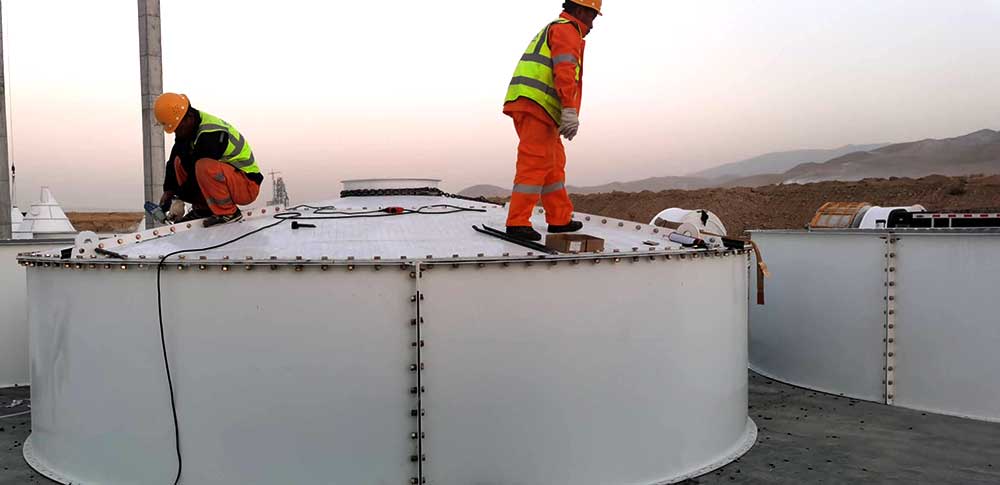
“فريق تركيب CCS يؤمن السقف العلوي لصومعة أسمنت مثبتة بمسامير في الموقع. يتم ربط كل وصلة مثبتة بمسامير عالية القوة بدقة تحت بروتوكولات سلامة صارمة لضمان تخزين محكم الإغلاق وطويل الأمد.”
النتائج والأداء
منذ بدء التشغيل في مارس 2026، قامت محطة خلط الخرسانة في إثيوبيا بتزويد ما يقرب من 8,000 إلى 10,000 متر مكعب من الخرسانة الجاهزة شهريًا. يدعم هذا الإنتاج ثلاثة مشاريع مستودعات نشطة داخل المنطقة الاقتصادية الخاصة.
كان الاتساق من دفعة إلى أخرى قويًا. يبقى خطأ نسبة الخلط ضمن ±1%، واجتازت كل دفعة اختبار قوة. تعمل المحطة على تعريفة الطاقة الصناعية المنخفضة في إثيوبيا، لذا فإن تكلفة الطاقة لكل متر مكعب أقل مما قدره العميل في البداية.
يبلغ التوظيف المباشر في المحطة اثني عشر موظفًا محليًا، مع استفادة سائقي الشاحنات وموردي الركام في المراحل النهائية. ناقش العميل بالفعل إضافة وحدة متنقلة ثانية عندما تتوسع المنطقة.
استمع إلى العميل

“محطتك عملت بشكل موثوق خلال الموسم الحار، وقام فريقك بتدريب مشغلينا بصبر - إن شاء الله، نتطلع إلى العمل معكم مرة أخرى في مشروعنا القادم.”
الخاتمة
تشغيل محطة ناجحة محطة خلط الخرسانة في إثيوبيا يعني احترام ثلاثة أشياء: حرارة وغبار الأراضي المنخفضة الشرقية، التقويم المحلي والقوى العاملة، وسلسلة اللوجستيات للسكك الحديدية والموانئ التي تربط الموقع بخطوط الإمداد العالمية. يُظهر مشروع ديرة داوا أنه عندما تتطابق المعدات والتدريب والتخطيط مع هذه الحقائق، يمكن لمحطة ثابتة توفير خرسانة جاهزة متسقة وفعالة من حيث التكلفة من اليوم الأول.
إذا كنت تخطط لمشروع محطة خلط في إثيوبيا وتحتاج إلى مورد يفهم ظروف الموقع المحلية، اتصل بنا للحصول على عرض مخصص وعرض سعر.
هل تبحث عن نبات مصمم لتحمل الحرارة والغبار والتربة الصعبة؟ تصفح مجموعتنا الكاملة من مشاريع محطات خلط الخرسانة في جميع أنحاء أفريقيا, ، أو استكشف دراسات الحالة العالمية لمصانع الخرسانة من أكثر من 20 دولة.
لماذا تختارنا
فوائد مصانع الخرسانة لدينا.
الخبرة المحلية والإقليمية
نصمم كل محطة وفقًا لظروف التشغيل المحلية لديك - سواء كان ذلك يتعلق بإدارة الرمال الصحراوية شديدة الكشط، أو الرطوبة الاستوائية، أو البرد الجبلي. فرقنا اللوجستية والهندسية على دراية عميقة بمراكز الشحن الإقليمية الرئيسية والأطر التنظيمية المتنوعة، مما يضمن أن معداتك تلبي معايير الجودة الدولية مثل CE وISO مع تأمين التصاريح التشغيلية والبيئية المحلية بسهولة..
موثوقية تسليم المفتاح
لا توجد تكاليف خفية أو مفاجآت غير متوقعة. تشمل عروضنا الشاملة كل شيء بدءًا من تصميم تخطيط الموقع ثلاثي الأبعاد المخصص وحتى التشغيل النهائي في الموقع. لتقليل وقت التوقف، نقدم دعمًا فنيًا على مدار الساعة طوال أيام الأسبوع عبر الهاتف أو WhatsApp وتشخيصات PLC عن بُعد قائمة على السحابة..
سجل حافل
مع أكثر من 32 عامًا من التصنيع المتقن المخصص، قمنا بتشغيل أكثر من 100 محطة خلط بنجاح في أكثر من 20 دولة. بفضل أنظمة الوزن الدقيقة والتصميمات منخفضة الصيانة،, يحقق أكثر من 90% من عملائنا في الخلط الجاهز التجاري استردادًا كاملاً لرأس المال في غضون 8 إلى 12 شهرًا من التشغيل..
مطابقة المشاريع القابلة للتوسع
لا نؤمن بـ “مقاس واحد يناسب الجميع.” نقدم مجموعة شاملة من المنتجات تغطي قدرات من محطات مدمجة بقدرة 25 متر مكعب/ساعة إلى مراكز صناعية بقدرة 240 متر مكعب/ساعة. يضمن هذا النطاق التقني قدرتنا على مطابقة الحجم الدقيق لمشروعك - سواء كنت تطلق شركة ناشئة إقليمية للخلط الجاهز أو تنفذ عقدًا حكوميًا كبيرًا للطرق السريعة أو الجسور أو السدود - مما يوفر عليك الاستثمار الزائد في طاقة غير مستخدمة..