Inicio » Planta de Hormigón en Venta » Planta de Hormigón Preparado
Planta de Hormigón Preparado
Capacidad: 25m³/h ~ 240m³/h | Tipo: estacionaria, móvil y compacta | Costo: $18,000-$350,000
A ready mix concrete plant es más que una simple instalación de mezcla; es un centro de producción especializado diseñado para una calidad constante y un suministro comercial rápido. Al centralizar el proceso de fabricación, este tipo de planta permite a los contratistas y productores de hormigón preparado entregar hormigón de alta especificación a diversos sitios de obra con precisión quirúrgica. La ventaja definitoria es la capacidad de gestionar diseños de mezcla complejos a escala, asegurando que cada lote cumpla con los requisitos exactos del proyecto.
Como fabricante líder con más de 30 años de experiencia industrial, hemos perfeccionado la lógica de producción necesaria para proyectos urbanos y de infraestructura de alto volumen. Nuestros sistemas están desarrollados para equilibrar un rendimiento de alta velocidad con una consistencia inquebrantable. Con un diseño modular que se adapta a diversas condiciones del sitio, nuestro equipo proporciona la base confiable necesaria para las hazañas de ingeniería más exigentes del mundo.
modelos más vendidos de planta de hormigón preparado
Lista de Precios de Planta de Hormigón Preparado
Al presupuestar para un nuevo proyecto, la primera pregunta que los inversores hacen es sobre el precio de la planta de hormigón preparado. Es importante tener en cuenta que el costo de la maquinaria varía significativamente según la capacidad teórica, el número de silos de almacenamiento y la sofisticación de los sistemas de control automatizados. El precio exacto depende de su configuración, maquinaria, tamaño, modelo seleccionado y especificaciones del cliente. Las configuraciones opcionales que ofrecemos incluyen, pero no se limitan a: número de silos de cemento, tamaño de la máquina dosificadora, cinta transportadora, transportador de tolva, sistema de eliminación de polvo.
A continuación se muestra una guía de referencia general para los precios de equipos FOB (Franco a Bordo) en el mercado global actual.
| Mejores Productos | Rango de Capacidad | Precio | El Perfil |
|---|---|---|---|
| Planta RMC Pequeña | 25 m³/h a 50 m³/h | $30,000 – $60,000 | A menudo utilizando un diseño de tolva elevadora que ahorra espacio, estas unidades compactas son el punto de entrada perfecto para empresas emergentes, proveedores de infraestructura rural o sitios de proyecto temporales. El precio de la planta RMC pequeña ofrece la ruta más rápida para generar flujo de caja positivo con un riesgo inicial mínimo. |
| Planta RMC Comercial de Tamaño Mediano | 60 m³/h a 120 m³/h | $65,000 – $130,000 | Este es el “punto óptimo” de la industria para operaciones comerciales estándar. Un precio robusto de planta RMC en este nivel incluye un sistema de alimentación continuo con cinta transportadora, una mezcladora central pesada de 1m³ o 2m³, y una cabina PLC totalmente automatizada capaz de gestionar múltiples flotas de camiones simultáneamente. |
| Planta RMC Industrial de Mega Capacidad | 150 m³/h a 240 m³/h (o configuraciones de doble mezcladora) | $150,000 – $300,000+ | Diseñada para dominar mercados locales o abastecer megaproyectos a escala nacional. Este nivel de inversión cubre características avanzadas como colectores de polvo de chorro pulsante, revestimiento ambiental completamente cerrado y sistemas especializados de dosificación de aditivos. |
El precio es solo de referencia. Por favor, póngase en contacto con nosotros para obtener la cotización más reciente.
Nota Importante: Las cifras anteriores representan el precio base de la maquinaria. El capital total requerido para iniciar un negocio comercial de hormigón preparado es mayor. Siga leyendo para obtener una visión completa de las finanzas.
Fabricación de planta de hormigón preparado
Una planta de hormigón preparado es más común y ampliamente utilizada en plantas de mezcla de hormigón. La característica notable de la planta de hormigón RMC es que la producción de hormigón no se realiza directamente en el sitio, sino que necesita el camión de transporte para transportar el hormigón al sitio de construcción, que también es la razón por la que se llama planta de hormigón preparado. Proporcionamos equipos y modelos como plantas de dosificación de hormigón móviles, plantas de hormigón estacionarias, y plantas de hormigón compactas. También podemos diseñar soluciones personalizadas o a medida según las necesidades de los clientes.
(1) Planta de Hormigón Preparado Estacionaria
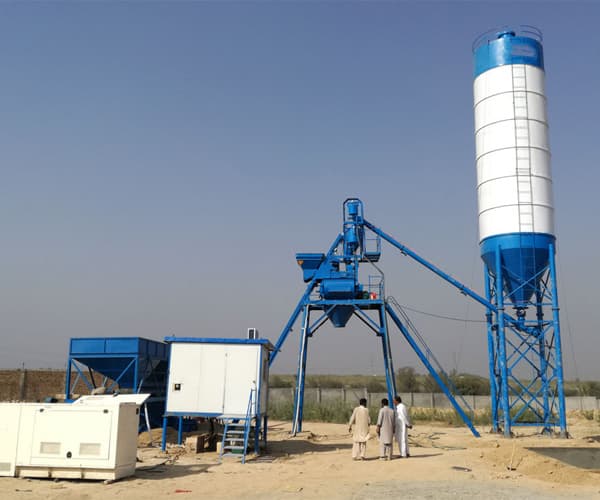
Tipo de tolva de salto
| HZS25 – HZS75 | Diseñada para sitios compactos y operaciones rentables. El sistema de elevación por cangilones ocupa menos área de terreno y requiere un mantenimiento más simple. Ideal para capacidades de 25m³/h a 75m³/h.
- Huella Pequeña: Requiere de 1/2 a 1/3 menos área de terreno en comparación con los tipos de cinta.
- Rentable: Menor inversión inicial y requisitos de cimentación más simples.
- Fácil Mantenimiento: El mecanismo de elevación por cable de acero simple asegura durabilidad y fácil reparación.
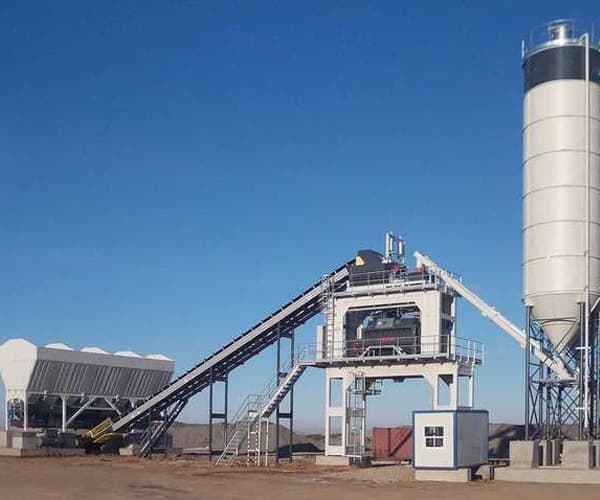
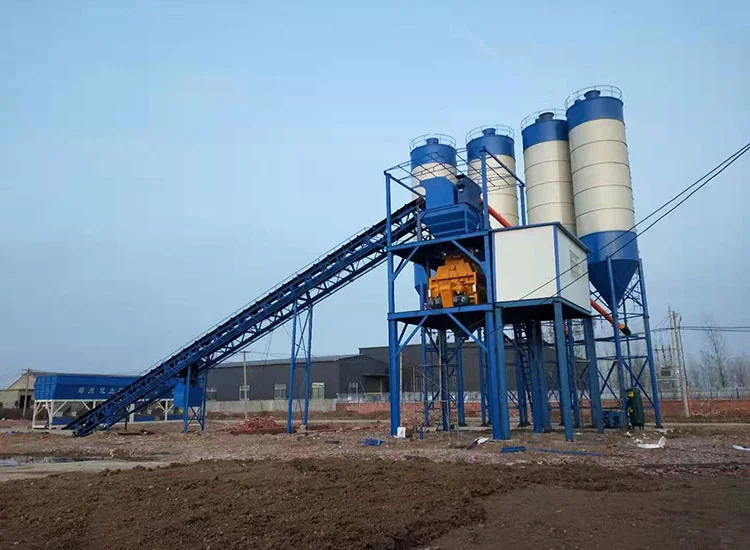
Tipo de cinta
| HZS60 – HZS240 | Diseñada para producción a gran escala y alta eficiencia. El sistema de cinta asegura una alimentación continua de agregados con alta estabilidad. Perfecta para proyectos de trabajo pesado que requieren 60m³/h a 240m³/h.
- Alta Eficiencia: La alimentación continua acorta significativamente el tiempo del ciclo de mezclado.
- Gran Capacidad: Ideal para demandas de alto volumen (hasta 240m³/h) y transporte de larga distancia.
- Operación en Todo Clima: El diseño de cubierta cerrada protege los agregados de la lluvia y el polvo.
(2) Planta de Hormigón Preparado Móvil
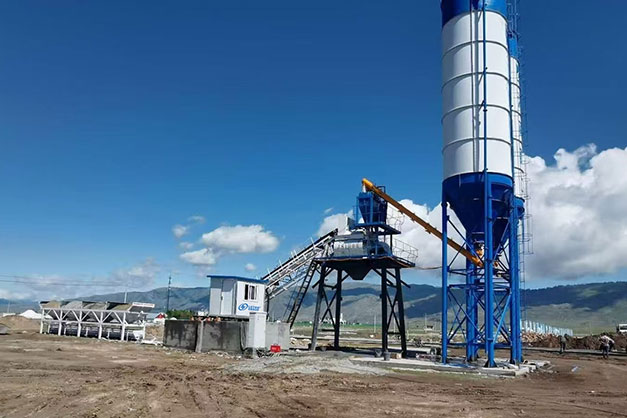
| YHZS25 – YHZS120 | Diseñadas para máxima movilidad. Todos los componentes principales están precableados en un chasis transportable, lo que permite un montaje y reubicación rápidos sin necesidad de trabajos de cimentación civil.
(3) Planta de Hormigón Compacta
Planta de Hormigón Contenerizada
Cuenta con un diseño modular y cerrado para fácil envío y protección ambiental. Todos los componentes están integrados en dimensiones de contenedor estándar para un montaje rápido.
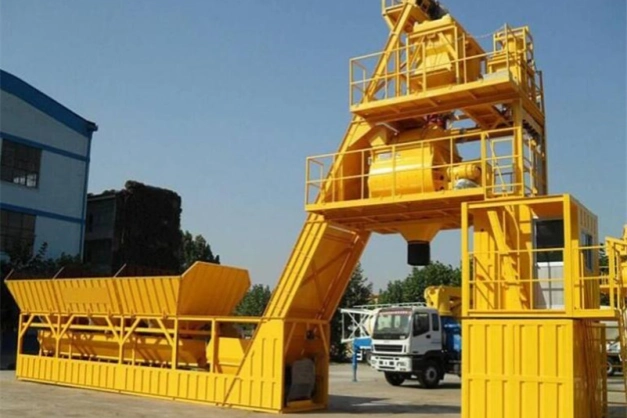
Planta de Hormigón Sin Cimentación
Requiere ningún trabajo pesado de cimentación civil. Este diseño reduce significativamente el tiempo y costo de instalación, lo que lo hace ideal para proyectos temporales o sitios con condiciones de suelo difíciles.
Parámetros de la planta de hormigón preparado
Hay muchos tipos de plantas de hormigón preparado, la mayoría de las cuales están diseñadas para ubicaciones o situaciones específicas. Si no está seguro de cómo elegir qué tipo de planta de hormigón preparado, aquí hay varias referencias efectivas para usted.
· área del sitio
La planta de hormigón móvil cubre un área pequeña, adecuada para proyectos con áreas de construcción pequeñas;
La planta de hormigón estacionaria requiere una huella más grande;
El equipo de planta de hormigón compacta es más compacto y adecuado para proyectos de construcción pequeños.
· Instalación y desmontaje
La instalación y desmontaje de las plantas de hormigón móviles y las plantas compactas son más convenientes, y las móviles se pueden mover fácilmente, en comparación con las plantas de hormigón estacionarias, el tiempo de instalación de la planta de hormigón estacionaria es más largo, y una vez instalada, se fijará en un lugar y no se moverá.
A continuación se muestran ejemplos de parámetros que le proporcionamos para plantas de hormigón estacionarias, plantas de hormigón móviles y plantas de hormigón compactas.
Planta de Hormigón con Elevación por Tolva
| Tipo | HZS25 | HZS35 | HZS50 | HZS75 | HZS100 | HZS150 | HZS200 | |
| Capacidad de Producción Teórica (m3/h) | 25 | 35 | 50 | 75 | 100 | 150 | 200 | |
| Mezclador de Hormigón | Tipo | JS500 | JS750 | JS1000 | JS1500 | JS2000 | JS3000 | JS4000 |
| Capacidad de Descarga (L) | 500 | 750 | 1000 | 1500 | 2000 | 3000 | 4000 | |
| Tamaño del Agregado (Grava/Piedra Partida)(mm) | 80/60 | 80/60 | 80/60 | 80/60 | 80/60 | 80/60 | 80/60 | |
| Dosificador de Agregados Compatible | PLD800 | PLD1200 | PLD1600 | PL2400 | PLD3200 | PLD4800 | PLD6400 | |
| Precisión de Pesaje | Agregado (KG) | 1500Kg ±2% | 2000Kg ±2% | 3000Kg ±2% | 4500Kg ±2% | 4500Kg ±2% | 6000Kg ±2% | 9000Kg ±2% |
| Cemento (KG) | 300Kg ±1% | 450Kg ±1% | 900Kg ±1% | 1500Kg ±1% | 1500Kg ±1% | 3000Kg ±1% | 3000Kg ±1% | |
| Ceniza Volante (KG) | 500Kg ±1% | 600Kg ±1% | 600Kg ±1% | 600Kg ±1% | 1500Kg ±1% | 1500Kg ±1% | 1500Kg ±1% | |
| Agua (KG) | 200Kg ±1% | 300Kg ±1% | 600Kg ±1% | 600Kg ±1% | 1000Kg ±1% | 1000Kg ±1% | 1000Kg ±1% | |
| Aditivo (KG) | 20Kg ±1% | 30Kg ±1% | 100Kg ±1% | 100Kg ±1% | 100Kg ±1% | 100Kg ±1% | 100Kg ±1% | |
| Altura de Descarga (M) | 8 m | 8 m | 8 m | 1m | 1m | 1m | 1m | |
Planta de Hormigón con Cinta Transportadora
| Tipo | HZS60 | HZS90 | HZS120 | HZS180 | HZS240 | ||
| Producción Teórica (m³/h) | 60 | 90 | 120 | 180 | 240 | ||
| Mezclador de Hormigón | Tipo | JS1000 | JS1500 | MAO3000/2000 | MAO4500/3000 | MAO6000/4000 | |
| Potencia (KW) | 18.5 | 65.5 | 74 | 110 | 150 | ||
| Capacidad de Descarga (L) | 1000 | 1500 | 2000 | 3000 | 4000 | ||
| Tamaño del Agregado (Grava/Piedra Partida)(mm) | 80/60 | 80/60 | 80 | 150 | 150 | ||
| Volumen del Depósito de Agregados (m³) | 2/3/4×8.38 | 2/3/4×12 | 2/3/4×20 | 2/3/4×30 | 2/3/4×40 | ||
| Capacidad de Transporte de Cinta (t/h) | 300 | 450 | 550 | 650 | 900 | ||
| Precisión de Pesaje | Agregado (KG) | 3000Kg ±2% | 4500Kg ±2% | 4500Kg ±2% | 6000Kg ±2% | 9000Kg ±2% | |
| Cemento (KG) | 900Kg ±1% | 1500Kg ±1% | 1500Kg ±1% | 3000Kg ±1% | 3000Kg ±1% | ||
| Ceniza Volante (KG) | 600Kg ±1% | 600Kg ±1% | 1500Kg ±1% | 1500Kg ±1% | 1500Kg ±1% | ||
| Agua (KG) | 600Kg ±1% | 600Kg ±1% | 1000Kg ±1% | 1000Kg ±1% | 1000Kg ±1% | ||
| Aditivo (KG) | 100Kg ±1% | 100Kg ±1% | 100Kg ±1% | 100Kg ±1% | 100Kg ±1% | ||
| Altura de Descarga (M) | 1 m | 1m | 1m | 1m | 1m | ||
Serie YHZS
| Tipo | YHZS25 | YHZS35/40 | YHZS50/60 | YHZS75/90 | YHZS100/120 | |
| Capacidad de Producción Teórica (m3/h) | 25 | 35 | 50 | 75 | 100 | |
| Mezclador de Hormigón | Tipo | JS500 | JS750 | JS1000 | JS1500 | JS2000 |
| Capacidad de Descarga (L) | 500 | 750 | 1000 | 1500 | 2000 | |
| Tamaño del Agregado (Grava/Piedra Partida)(mm) | 80/60 | 80/60 | 80/60 | 80/60 | 80/60 | |
| Dosificador de Agregados Compatible | PLD800 | PLD1200 | PLD1600 | PL2400 | PLD3200 | |
| Precisión de Pesaje | Agregado (KG) | 1500Kg ±2% | 2000Kg ±2% | 3000Kg ±2% | 3000Kg ±2% | 3000Kg ±2% |
| Cemento (KG) | 300Kg ±1% | 450Kg ±1% | 900Kg ±1% | 1500Kg ±1% | 1500Kg ±1% | |
| Ceniza Volante (KG) | Opcional | |||||
| Agua (KG) | 200Kg ±1% | 300Kg ±1% | 600Kg ±1% | 900Kg ±1% | 500Kg ±1% | |
| Aditivo (KG) | 20Kg ±1% | 30Kg ±1% | 30Kg ±1% | 50Kg ±1% | 100Kg ±1% | |
Serie LTY
| Especificaciones | Unidad | LTY-60A | LTY–60B | |
| Mezclador | altamente personalizada. | m3/h | 50-60 | 50-60 |
| Mezcladora de Tambor | JZM1500 | JZM1500 | ||
| Potencia del Motor | KW | 11×2 | 11×2 | |
| Tiempo de Mezclado | S | 40 | 40 | |
| Áridos: ±2% | Cemento, Agua, Aditivos: ±1% | m | 1.3 | 1.3 | |
| Dosificador | PLD1600 | PLD1600 | ||
| Tolva de Almacenamiento | M3 | 5×2 | 5×3 | |
| Potencia del Motor | KW | 4×2 | 4×3 | |
| Dosificador | Sensor | kg | 2000×3 | 2000×3 |
| Cilindro | 100*250 | 100*250 | ||
| Tamaño de la Banda | mm | 3600-600 x 1 9000-600×1 | 10400-500×24200-500×19000*600×1 | |
| Altura de Alimentación | mm | 3200 | 3200 | |
| Sistema de Pesaje de Cemento | Precisión de Pesaje | ±1% | ±1% | |
| Sistema de Pesaje de Agua | Precisión de Pesaje | ±1% | ±1% | |
| Bomba de Agua | KW | 3 | 3 | |
| Sistema de Pesaje de Aditivos | Precisión de Pesaje | ±1% | ±1% | |
| Bomba de Aditivo | 1.1 | 1.1 | ||
| Chasis | Tamaño | mm | 8410*2000*780 | 11100*2000*780 |
| Neumáticos | mm | 1000 | 1000 | |
| Sistema de Control | Componentes Electrónicos | ZHENG TAI | ZHENG TAI | |
| Sistema de Control | PLY 1000 semiautomático | PLY 1000 semiautomático | ||
Tipo modular o tipo contenedor
| Especificaciones | HZS-60C | HZS-90C | HZS-120C | HZS-180C |
| Productividad Teórica (m3/h) | 60 | 90 | 120 | 180 |
| Volumen de Descarga de la Mezcladora (L) | 1000 | 1500 | 2000 | 3000 |
| Volumen de Alimentación de la Mezcladora (L) | 1600 | 2400 | 3200 | 4800 |
| Potencia del Motor de la Mezcladora (kW) | 5×2 | 30×2 | 37×2 | 55×2 |
| Altura de Descarga (m) | 4.1 | 4.1 | 4.3 | 4.3 |
| Cantidad de Material Agregado (m3) | 7×4 | 15×4 | 15×4 | 20×4 |
| Período de Ciclo (s) | 60 | 60 | 60 | 60 |
| Tamaño Máximo de Agregado (mm) | 80/100 | 80/100 | 80/100 | 80/100 |
| Silos de Cemento (t) (opcional) | 2×100 | 3×100 | 4×100 | 4×100 |
| Sistema de Pesaje de Agregados | ±2% | ±2% | ±2% | ±2% |
| Sistema de Pesaje de Material en Polvo | ±1% | ±1% | ±1% | ±1% |
| Sistema de Pesaje de Agua | ±1% | ±1% | ±1% | ±1% |
| Sistema de Pesaje de Aditivos | ±1% | ±1% | ±1% | ±1% |
| Potencia de Instalación (kW) | = 110 | = 160 | ^220 | ◎290 |
| Modo de Alimentación | Tolva Elevadora y Cinta Transportadora | |||
| Modo de Control | Control por Computadora PC Totalmente Automático | |||
Tipo de cimentación libre
| Especificaciones | FHZS-25 | FHZS-35 | FHZS-50 | FHZS-75 |
| Productividad Teórica (m3/h) | 25 | 35 | 50 | 75 |
| Volumen de Descarga de la Mezcladora (L) | 500 | 750 | 1000 | 1500 |
| Volumen de Alimentación de la Mezcladora (L) | 800 | 1200 | 1600 | 2400 |
| Potencia del Motor de la Mezcladora (kW) | 18.5 | 30 | 5×2 | 30×2 |
| Cantidad de Material Agregado (m3) | 3×3 | 5×3 | 8×3 | 12×3 |
| Período de Ciclo (s) | 60 | 60 | 60 | 60 |
| Tamaño Máximo de Agregado (mm) | 80/100 | 80/100 | 80/100 | 80/100 |
| Silos de Cemento (t) (opcional) | 50×1 | 50×1 | 100×1 | 100×2 |
| Sistema de Pesaje de Agregados | ±2% | ±2% | ±2% | ±2% |
| Sistema de Pesaje de Material en Polvo | ±1% | ±1% | ±1% | ±1% |
| Sistema de Pesaje de Agua | ±1% | ±1% | ±1% | ±1% |
| Sistema de Pesaje de Aditivos | ±1% | ±1% | ±1% | ±1% |
Los parámetros son solo de referencia, consúltenos para obtener detalles.
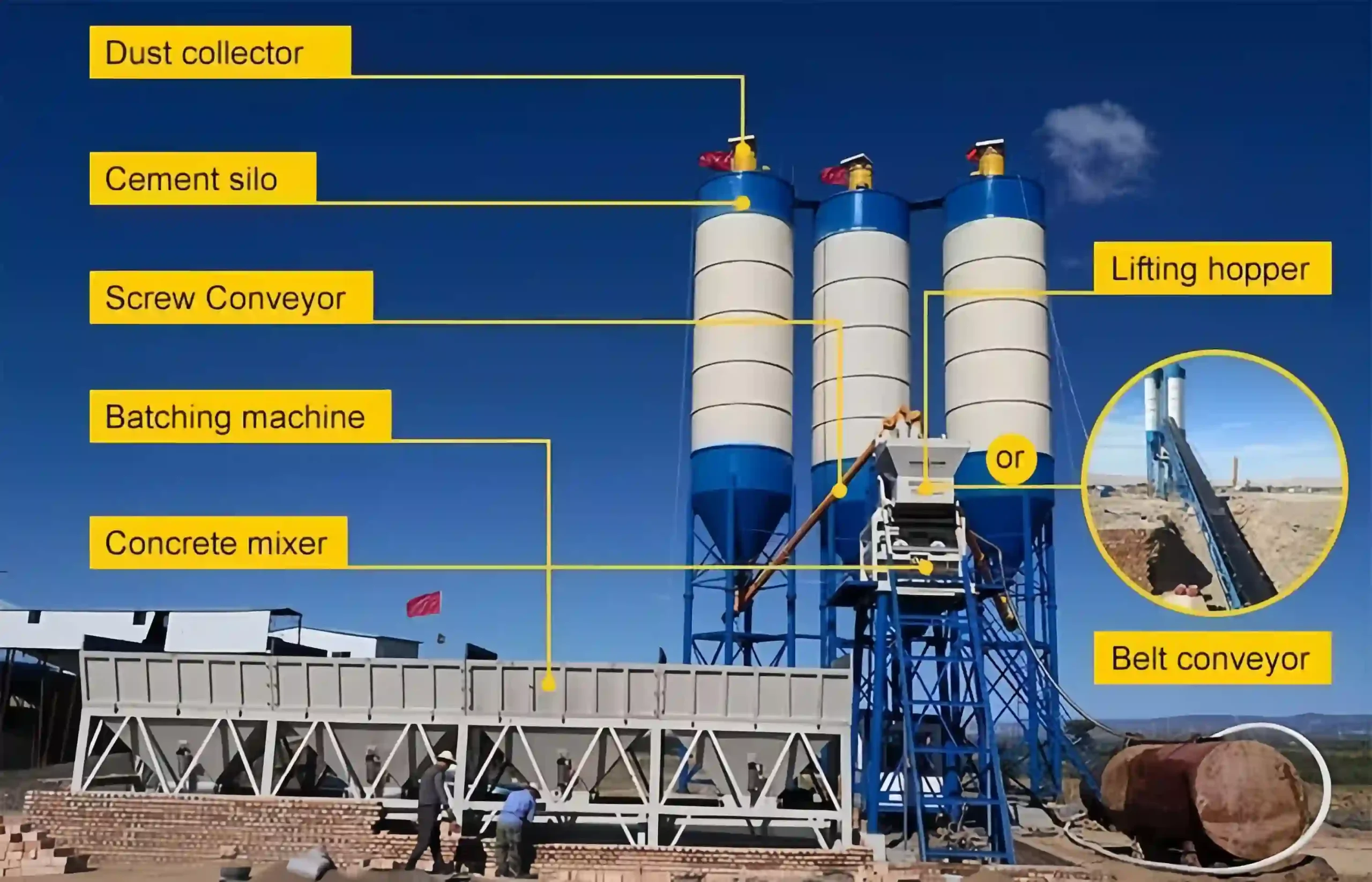
Componentes Clave de la Planta de Hormigón Preparado
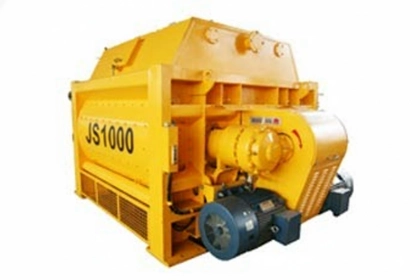
Mezclador
El mezclador horizontal de doble eje de tipo forzado tiene una fuerte capacidad de mezclado, puede mezclar los materiales de manera uniforme y efectiva. Puede mezclar hormigón con diferentes asentamientos y proporciones de materias primas. Su paleta mezcladora y placa de revestimiento están hechas de aleación resistente al desgaste de alto cromo. El soporte del extremo del eje externo y el sello especial del eje aseguran una larga vida útil del mezclador. El mezclador de tipo planetario está disponible como opción.
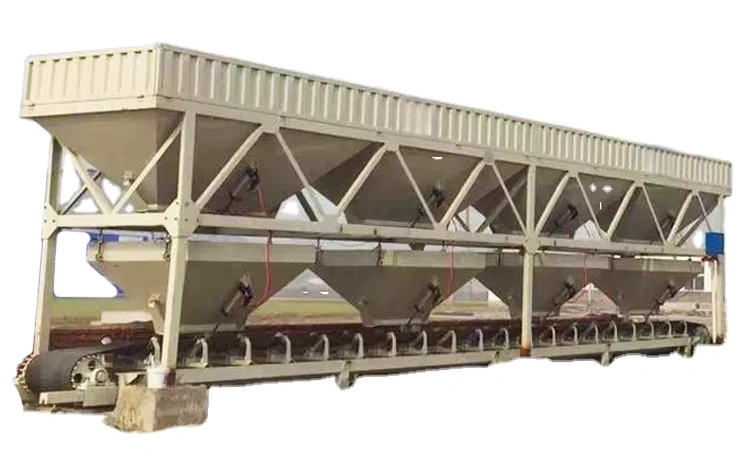
Dosificador
Las operaciones de alto volumen requieren tolvas de agregados de múltiples compartimentos (generalmente de 3 a 6 compartimentos). Estas unidades utilizan cilindros neumáticos de grado industrial y celdas de carga de precisión para medir rápidamente arena y piedra triturada.
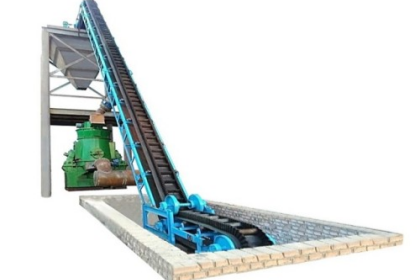
Sistema de Transporte de Agregados
Después del pesaje, el agregado se envía al mezclador de hormigón estacionario mediante la tolva elevadora o el sistema de transporte por cinta.
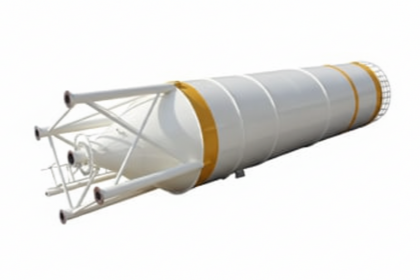
Sistema de Almacenamiento de Materiales
Se utiliza para almacenar agregados, materiales en polvo (como cemento, ceniza volante), aditivos, etc., necesarios para la producción de hormigón. Diseño razonable, que asegura un suministro de material continuo y estable, y mejora la eficiencia de producción.
Incluye silo de cemento, silo de agregados, silo de polvo, etc., utilizados para almacenar diferentes materias primas.
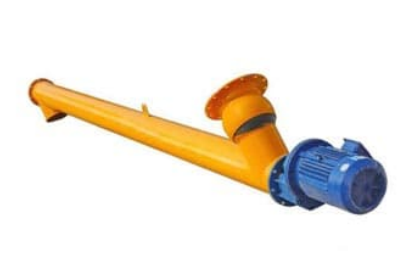
Transportador de Tornillo
Diseñados para el transporte sin polvo y de alta velocidad de cemento y ceniza volante, nuestros transportadores de tornillo aseguran un flujo continuo y uniforme de material desde los silos hasta el sistema de pesaje.
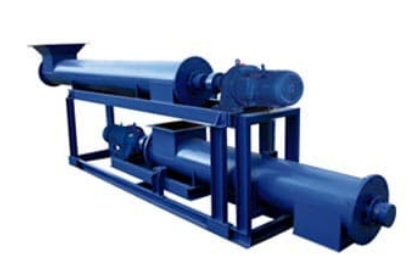
Básculas de pesaje de polvo y líquidos
Suspendidas sobre el mezclador, tolvas independientes para cemento, ceniza volante, agua y aditivos líquidos garantizan una precisión quirúrgica. Los equipos de planta de concreto premezclado de alta gama cuentan con compensación automática de diferencias para mantener tolerancias estrictas de ±1%.
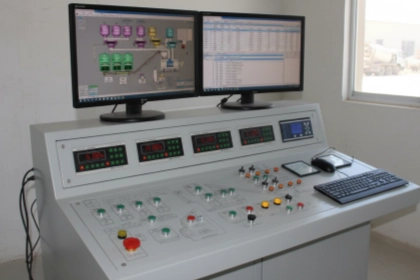
Sistemas de control automatizados
Toda la planta está controlada por una computadora de control industrial. Este sistema tiene las siguientes características: función de procesamiento de datos en tiempo real; están disponibles tanto el control automático como el manual; operación simple y conveniente. Para el sistema de control automático, el PLC es de la mundialmente famosa marca alemana, y los componentes eléctricos son de la marca Schneider de Francia. Puede guardar todos los datos de la planta y la proporción de materiales; también puede imprimir todos los formularios de informes. La sala de control tipo contenedor con temperatura constante utiliza paneles de listones de colores con aislamiento acústico y térmico que pueden garantizar la temperatura de trabajo de los dispositivos eléctricos y también proporcionar un ambiente cómodo para el operador.
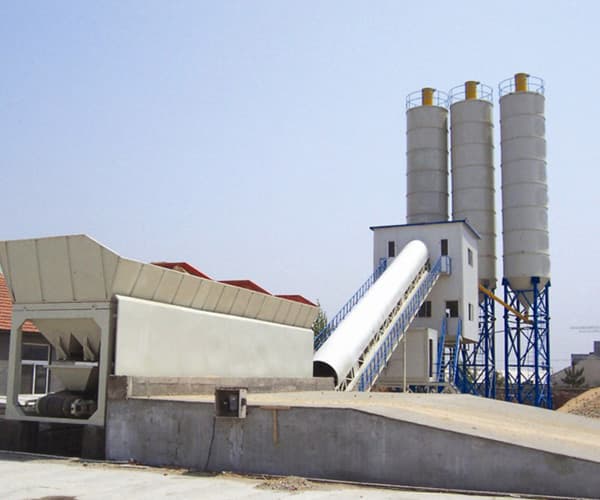
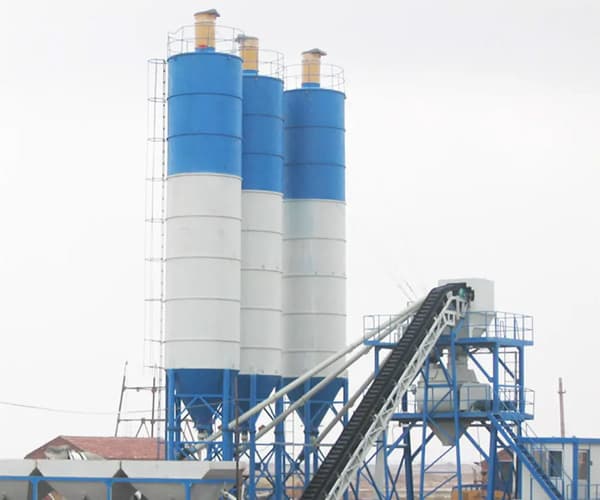
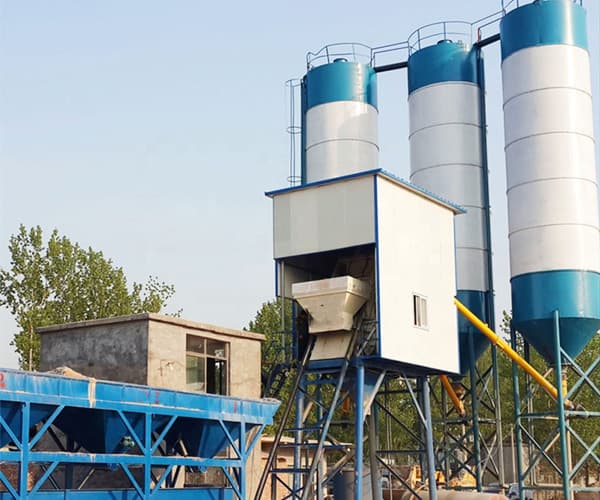
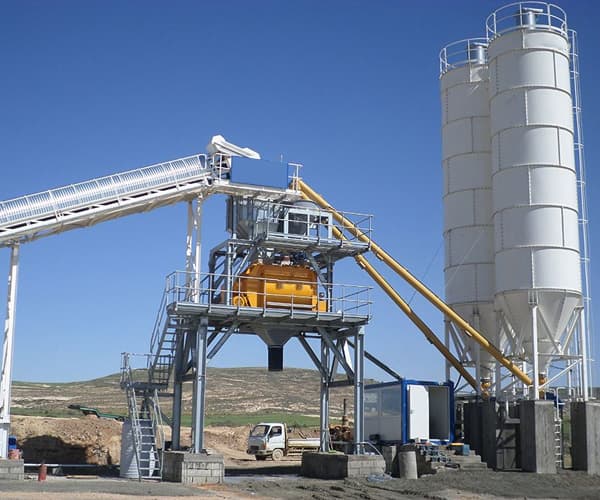
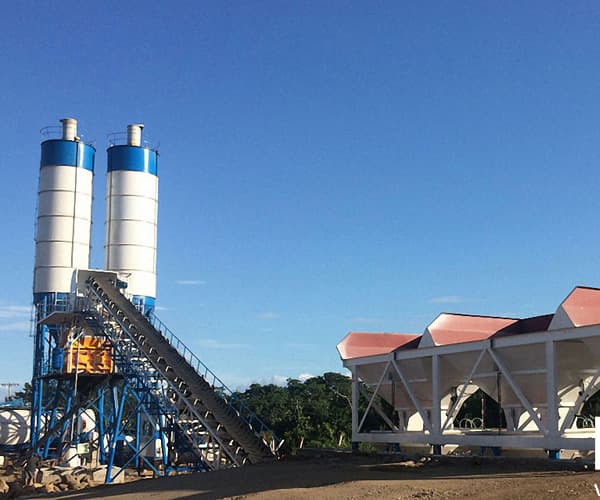
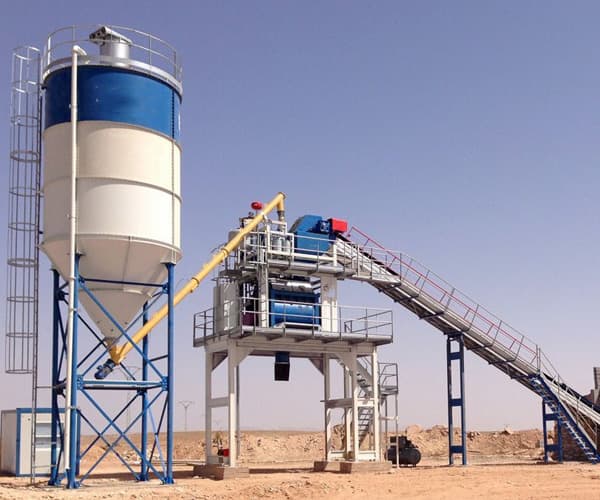
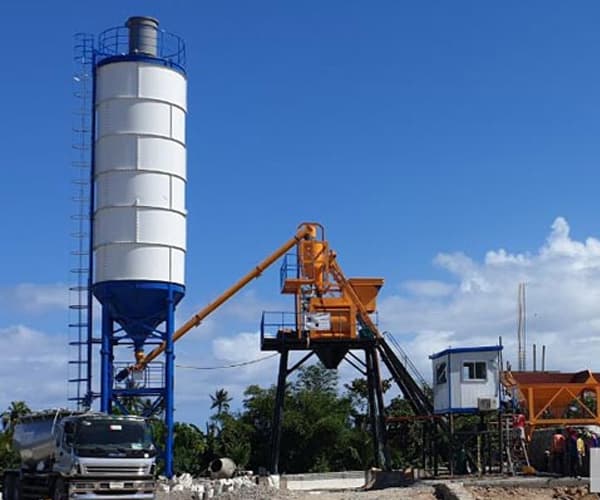
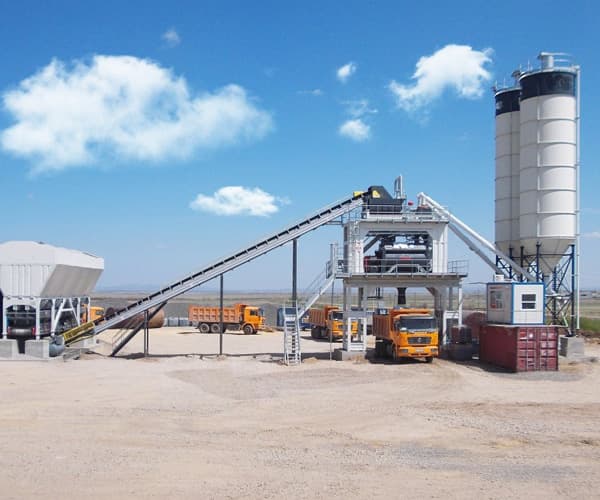
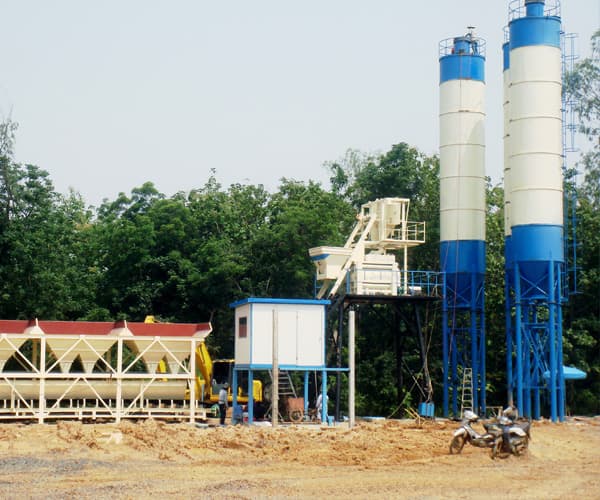
Puede examinar algunas fotos del producto tomadas en nuestras instalaciones establecidas. Para obtener información detallada y referencias, puede contactar a nuestro equipo de ventas llamando de vuelta o completando el formulario de solicitud.
Características clave de la planta de concreto premezclado
A diferencia de los sistemas estándar, nuestra planta descarga los aditivos líquidos pesados directamente en la tolva de pesaje de agua primero. Este proceso asegura una “disolución secundaria” del aditivo antes de que ingrese al mezclador de concreto premezclado, resultando en una mezcla de concreto mucho más homogénea.
El sistema de descarga de agua utiliza una combinación de una válvula de mariposa neumática y una bomba booster. Este diseño no solo acelera la descarga de agua para acortar el ciclo de dosificación, sino que también crea un rocío de alta presión que limpia eficazmente el eje de la mezcladora, evitando la acumulación de concreto.
(Para Modelos con Cinta Transportadora) Nuestra planta de dosificación premezclada HZS60 y los modelos más grandes cuentan con una tolva de espera intermedia ubicada directamente sobre el mezclador. Esto permite que el siguiente lote de agregados se prepare y almacene mientras se mezcla el lote actual, eliminando significativamente los tiempos de espera y aumentando la velocidad de producción.
(Para Modelos con Tolva de Salto) El sistema de cangilón de carga está diseñado con un mecanismo de pasador de seguridad mecánico en la vía. Además de los interruptores de límite, este bloqueo físico asegura el cangilón durante el mantenimiento, garantizando la seguridad absoluta para el personal de servicio.
Optimizamos el sistema de descarga del mezclador de concreto premezclado según la capacidad de la planta. Los modelos más pequeños (HZS25-60) utilizan descarga neumática de respuesta rápida, mientras que los modelos más grandes (HZS75+) están equipados con potentes sistemas de descarga hidráulica para garantizar una operación estable de la compuerta y evitar atascos durante la producción de alto volumen.
El sistema de pesaje emplea sensores de tensión tipo S líderes en la industria. Instalados con un diseño de suspensión flexible, estos sensores aíslan las tolvas de pesaje de las vibraciones externas, asegurando una medición precisa para el cemento, el agua y los agregados.
Ventajas de la planta de concreto premezclado
¿Por qué elegir una planta de concreto premezclado para su proyecto? Nuestras plantas de dosificación premezclada están diseñadas para ofrecer valor a largo plazo, combinando una construcción robusta con tecnología avanzada para garantizar la máxima eficiencia y rentabilidad.
Aumento significativo de la velocidad de producción
Los mezcladores de tambor tradicionales en obra generalmente producen solo 4–5 m³/h. Una planta comercial de RMC proporciona una producción continua que va desde 25 a 240 m³ por hora. Esta capacidad constante elimina los cuellos de botella en la obra y mantiene los proyectos a gran escala estrictamente dentro del cronograma.
Opciones Versátiles de Mezcladora: Doble Eje y Planetaria
Equipadas principalmente con robustas mezcladoras de doble eje, también ofrecemos mezcladoras planetarias de alta precisión de 0.5 m³ y 1.5 m³. Esta flexibilidad hace que nuestras plantas sean perfectas para productores de concreto premezclado, contratistas y especialmente fabricantes de prefabricados que requieren una homogeneidad superior.
Capacidad para Concreto de Alto Rendimiento
Diseñadas para proyectos exigentes, nuestras plantas pueden integrar fácilmente sistemas especializados para hielo, microsílice y diversos aditivos. Esta capacidad es crítica para producir concreto de alta resistencia para presas, puertos y otras aplicaciones de ingeniería extremas.
Dosificación precisa y ahorro de materiales
Las tecnologías de pesaje automatizado monitorean y ajustan continuamente los parámetros del lote. Al dispensar materias primas y aditivos con alta precisión, la planta puede reducir el consumo de cemento en 10% a 12% en comparación con los métodos manuales, reduciendo directamente los costos de material mientras se mantiene la calidad de concreto requerida.
Estructura Robusta y Durabilidad
Construidas con acero estructural de alta resistencia y componentes premium, nuestras plantas están diseñadas para una operación continua y de alta intensidad. El chasis robusto asegura una estabilidad y longevidad excepcionales, reduciendo significativamente los costos de mantenimiento a largo plazo.
Diseño Modular Definitivo y Flexibilidad
Nuestro diseño modular definitivo permite un transporte fácil y una instalación rápida, y proporciona la flexibilidad para adaptarse a condiciones complejas del sitio y agregar características según los requisitos del proyecto. Ya sea que necesite expandir la capacidad o ajustar el diseño, ofrecemos soluciones escalables para el crecimiento de su negocio.
Control automatizado y reducción de mano de obra
Los sistemas de control PLC integrados requieren una intervención manual mínima. Un solo operador capacitado puede supervisar todo el flujo de trabajo de dosificación y mezclado desde la cabina de control, lo que optimiza su nómina y elimina las variaciones causadas por la fatiga humana.
Mantenimiento Ecológico y Seguro
Diseñadas con sistemas avanzados de recolección de polvo y tecnología de reducción de ruido para cumplir con las regulaciones ambientales. Las plataformas de servicio espaciosas y las pasarelas de seguridad aseguran un fácil acceso para el mantenimiento, minimizando el tiempo de inactividad y mejorando la seguridad del operador.
El plan de negocio y análisis de costos de la planta de concreto premezclado
Desglose del costo total de instalación (el informe del proyecto)
Un error común que cometen los nuevos inversores es confundir el precio de la maquinaria con el costo de instalación de la planta de concreto premezclado. Para lanzar una empresa comercial altamente rentable, su plan de negocio inicial debe considerar una lista completa de Gastos de Capital (CApEx).
Ya sea que esté redactando un informe de proyecto de planta de concreto premezclado para financiamiento bancario o inversión personal, aquí hay un desglose detallado de los costos totales que debe presupuestar:
Adquisición de terreno y obras de cimentación civil
Una instalación comercial requiere espacio. Necesitará aproximadamente 1,500 a 3,000 metros cuadrados de terreno para la planta, acopios de agregados y maniobras de camiones.
La inversión
Además de alquilar o comprar el terreno, una parte significativa de su presupuesto se destina a verter enormes cimientos de concreto reforzado para soportar la torre de mezclado pesada y los silos de cemento. La nivelación del sitio, los sistemas de drenaje y la construcción de muros de contención para las tolvas de agregados también son gastos importantes.
La logística y la flota de entrega
En el negocio del concreto comercial, la flota de entrega a menudo cuesta más que la propia maquinaria de dosificación.
La inversión
Debe comprar o alquilar un mínimo de 3 a 5 camiones mezcladores de tránsito para garantizar una entrega continua. Además, se requiere al menos una cargadora de ruedas de servicio pesado en el sitio para alimentar constantemente arena y grava a la máquina de dosificación.
Capital de trabajo inicial
Antes de que se pague su primera factura, debe adquirir materias primas.
La inversión
El El modelo de costeo de la planta de RMC debe incluir un fondo de reserva (generalmente de 2 a 3 meses de capital operativo) para comprar cemento a granel, piedra triturada, arena, aditivos químicos y combustible diésel, así como para cubrir la nómina inicial de operadores y conductores.
Cumplimiento ambiental y acceso a servicios públicos
Obtener los permisos necesarios para operar una planta industrial pesada en un área urbana requiere el cumplimiento de regulaciones estrictas.
La inversión
Presupueste transformadores de electricidad de grado industrial, tuberías de suministro de agua de alto volumen y cuencas de lavado (reciclaje) de concreto. Además, muchos municipios requieren la instalación de colectores de polvo de chorro de pulso activo y revestimientos de amortiguación de ruido para pasar las inspecciones ambientales.
Proporciones de costos y factores clave
Invertir en una planta comercial ready mix concrete plant requiere evaluar más que solo el precio inicial del equipo. Un modelo de negocio altamente rentable equilibra el Gasto de Capital inicial (CapEx) con el Gasto Operativo a largo plazo (OpEx), la confiabilidad de los componentes y la eficiencia de la automatización para maximizar el Retorno de la Inversión (ROI).
Desglose proporcional de la inversión total
Al planificar su presupuesto de proyecto, los gastos generalmente se pueden clasificar en cuatro áreas principales. Es importante tener en cuenta que invertir fuertemente inicialmente en equipos de alta calidad (CapEx más alto) a menudo crea una estructura de costos más predecible y eficiente durante el ciclo de vida de la planta.
- Gasto de Capital (CapEx) – 50% a 60%: La maquinaria principal, que incluye la unidad de mezclado, dosificadores de agregados, silos de cemento, transportadores y sistemas de control automatizados.
- Preparación del sitio e instalación – 10% a 15%: Ingeniería civil para cimientos de concreto robustos, nivelación del terreno, acceso al suministro eléctrico y montaje en el sitio.
- Gasto Operativo (OpEx) – 25% a 35%: Los costos recurrentes diarios, que incluyen materias primas, electricidad, combustible, nómina laboral y piezas de desgaste rutinarias.
- Costos Indirectos y de Contingencia – 5% a 10%: Permisos de cumplimiento normativo, capacitación de operadores y fondos de reserva para gastos imprevistos.
Factores Clave de los Costos de la Planta
Los requisitos específicos de tu proyecto influirán en cómo se distribuyen estos costos:
- Tipo y Capacidad de la Planta: Las instalaciones estacionarias de alta capacidad (120–240 m³/h) requieren cimentaciones profundas y silos más grandes, lo que conlleva costos iniciales más altos pero ofrece una producción continua masiva. Alternativamente, las unidades móviles o compactas reducen los gastos de preparación del sitio entre un 10% y un 20% debido a sus diseños sin cimentación.
- Durabilidad de los Componentes: Seleccionar mezcladores premium con revestimientos de desgaste de alto cromo aumenta el precio inicial, pero reduce significativamente los costos de mantenimiento a largo plazo y evita costosas paradas de producción.
- Nivel de Automatización: Actualizar a un sistema PLC inteligente con monitoreo en tiempo real exige una mayor inversión inicial, pero reduce drásticamente las ineficiencias operativas.
Maximizando tu Retorno de la Inversión (ROI)
El verdadero valor de una ready mix concrete plant radica en sus ganancias de eficiencia. Una instalación avanzada y automatizada acelera directamente tu período de recuperación a través de varios ahorros operativos:
- Gracias a los mezcladores de eje gemelo de alta resistencia y al sistema de control redundante, la planta ha operado 24/7 con cero tiempo de inactividad no programado durante su primer año. Los sensores de pesaje de alta precisión y la compensación automática de humedad reducen el desperdicio de materia prima (especialmente el costoso cemento) en un 10% a 20%.
- Optimización de Mano de Obra: Un proceso de dosificación centralizado y automatizado requiere una intervención manual mínima, reduciendo los requisitos de personal en el sitio en un 30% a 50%.
- Mantenimiento Predictivo: El seguimiento de las horas de operación y el desgaste de los componentes mediante software inteligente puede reducir las fallas mecánicas inesperadas hasta en un 40%, asegurando tasas de utilización más altas.
Escenario Ilustrativo de Recuperación
Considera una instalación de capacidad media que produce aproximadamente 560 m³ de hormigón por día en un turno estándar de 8 horas. Aprovechando los ahorros de materiales y la reducción de gastos generales de mano de obra proporcionados por los sistemas automatizados, la instalación genera un margen bruto diario altamente consistente. Dependiendo de la demanda del mercado local y los precios de venta del hormigón, la mayoría de los operadores profesionales logran un ROI completo dentro de 1 a 3 años, transformando el gasto inicial de instalación en un poderoso motor para el crecimiento empresarial a largo plazo.
Cómo Elegir la Planta de Hormigón Dosificado Adecuada para tu Proyecto
Seleccionar la planta de hormigón dosificado ideal es fundamental para garantizar la eficiencia operativa, la calidad constante del material y un rápido retorno de la inversión. Para tomar la decisión más informada, los inversores deben alinear su elección de equipo con las demandas de producción reales, las limitaciones del sitio y los objetivos comerciales a largo plazo. Considera estos cuatro factores esenciales antes de realizar una compra:
Alinea la Capacidad de la Planta con los Objetivos de Producción Diaria
No adivines tus requisitos de capacidad. Basa tu decisión en tu producción objetivo diaria.
- Operaciones de Bajo Volumen (<400 m³/día): Para desarrollo rural o proyectos residenciales pequeños, una planta compacta (25–50 m³/h) es altamente rentable y fácil de operar con un equipo limitado.
- Suministro Comercial de Volumen Medio (400–1,000 m³/día): Para suministro comercial estándar o infraestructura de tamaño medio, una planta de capacidad media (60–90 m³/h) proporciona el equilibrio perfecto entre producción continua e inversión inicial manejable.
- Megaproyectos de Alto Volumen (>1,000 m³/día): Abastecer autopistas, complejos de rascacielos o pistas de aeropuertos requiere instalaciones pesadas de gran capacidad (120–240 m³/h+) para asegurar un vertido continuo sin cuellos de botella en el suministro.
Evalúa las Condiciones del Sitio y las Necesidades de Movilidad
Tu modelo de negocio y el terreno disponible dictan el tipo estructural de la planta.
- Centros Comerciales Permanentes: Si estás estableciendo un negocio a largo plazo en una ubicación fija con amplio espacio, una planta estacionaria es la opción superior. Ofrece máxima estabilidad y capacidad de almacenamiento, pero requiere cimentaciones civiles robustas.
- Reubicación Frecuente: Si tu estrategia implica seguir la construcción de carreteras o mudarte entre sitios remotos cada pocos meses, una configuración móvil es esencial. Estas unidades se pueden desmontar y reubicar en cuestión de días, reduciendo significativamente el tiempo de inactividad y los costos logísticos.
Prioriza el Control de Calidad y la Automatización
La venta de hormigón comercial requiere el cumplimiento estricto de los estándares de ingeniería.
Una planta de hormigón dosificado profesional debe estar equipada con un sistema de control PLC totalmente automatizado. La automatización de alto nivel elimina el error humano, garantiza una uniformidad exacta lote a lote y permite a los operadores ajustar los diseños de mezcla en tiempo real para cumplir con los diversos requisitos de diferentes clientes.
Equilibra el Presupuesto con la Escalabilidad Futura
Si bien una instalación más pequeña requiere un capital inicial más bajo, puede limitar tu capacidad para asegurar contratos de gran volumen altamente lucrativos en el futuro. Busca fabricantes que ofrezcan diseños modulares. Esto te permite expandir tu operación, como agregar más silos de cemento o ampliar las tolvas de agregados, a medida que tu negocio crece, sin necesidad de reemplazar todo el sistema.
Nuestras Plantas de Hormigón Dosificado en Acción
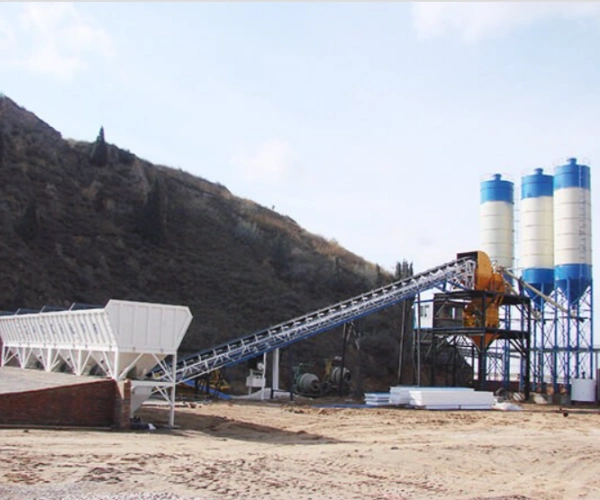
El hormigón premezclado es un negocio de suministro comercial, así que aquí hay dos de nuestras plantas funcionando como centros RMC comerciales completos, con más en cinco continentes a continuación.
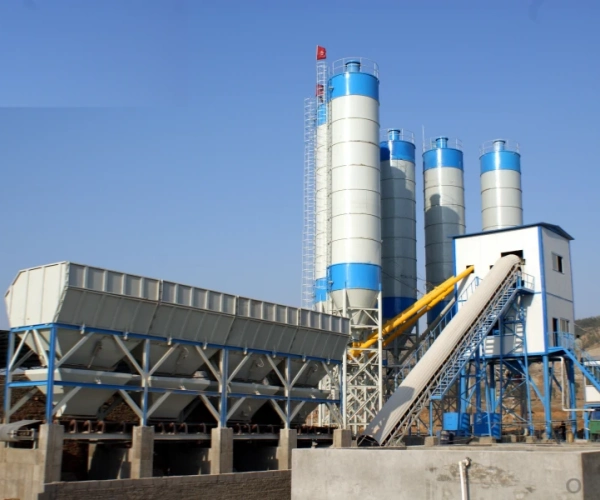
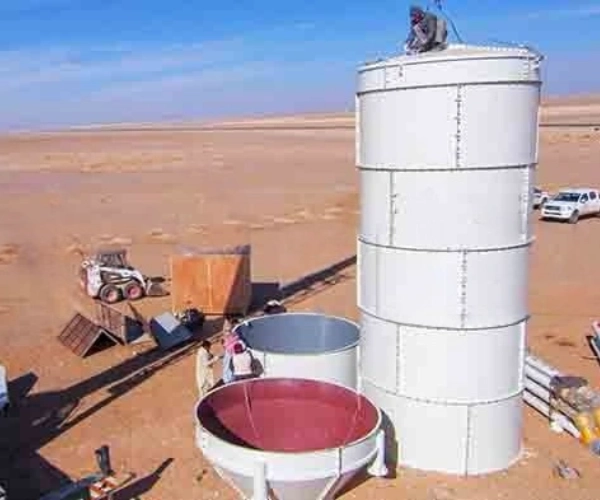
Un proveedor de hormigón premezclado para rascacielos necesitaba hormigón con temperatura controlada que cumpliera con el estricto límite de colocación ≤32°C del Municipio de Dubái, las 24 horas del día, los 7 días de la semana. Adaptamos un HZS180 con dosificación integrada de hielo en escamas y agua fría sobre la mezcladora de doble eje, además de gabinetes sellados para desierto y revestimientos de desgaste de cromo alto 26%. El proveedor ahora realiza vertidos en rascacielos sin lotes descartados:
“El sistema automatizado de dosificación de hielo es increíblemente preciso, manteniendo nuestro concreto estrictamente por debajo del límite de 32°C del Municipio. Hemos tenido cero lotes descartados en nuestros sitios de rascacielos, y los revestimientos de desgaste de servicio pesado han reducido enormemente nuestro tiempo de inactividad por mantenimiento. El ROI de esta planta es innegable.”
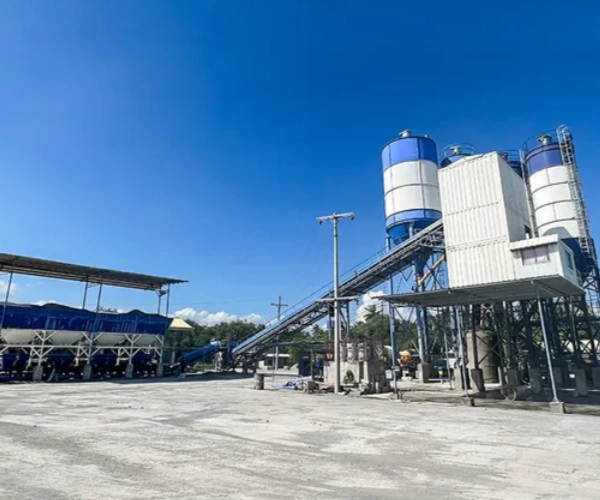
Un proveedor comercial de hormigón premezclado que licitaba para mega-infraestructuras como el Melbourne Metro Tunnel necesitaba un centro de alto volumen que aún cumpliera con las estrictas normas de cero aguas residuales de la EPA Victoria. Entregamos un HZS120 de doble torre (240 m³/h combinados) con un recuperador de hormigón integrado para una huella de descarga cero 100% y un recinto acústico que mantiene el ruido por debajo de 65 dB. Abastece la ciudad las 24 horas del día, y si una torre se detiene por mantenimiento, la otra mantiene 120 m³/h:
“Operando en el Metro de Melbourne, enfrentamos estrictas normas de descarga cero y ruido. Esta planta cerrada de doble torre ha cumplido con todas nuestras necesidades de cumplimiento normativo. Tuvimos toda la instalación dual completamente operativa en solo 14 días sin un solo error de cableado, y el recuperador de hormigón integrado nos está ahorrando miles en costos de agua y tarifas de eliminación de residuos.”
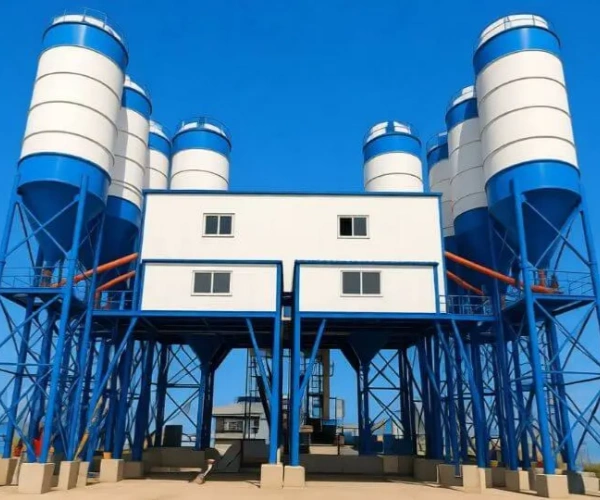
También puedes explorar más de nuestros centros comerciales de hormigón premezclado por región:
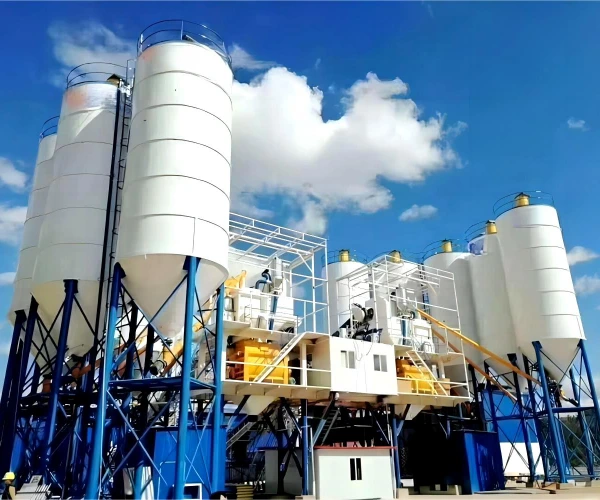
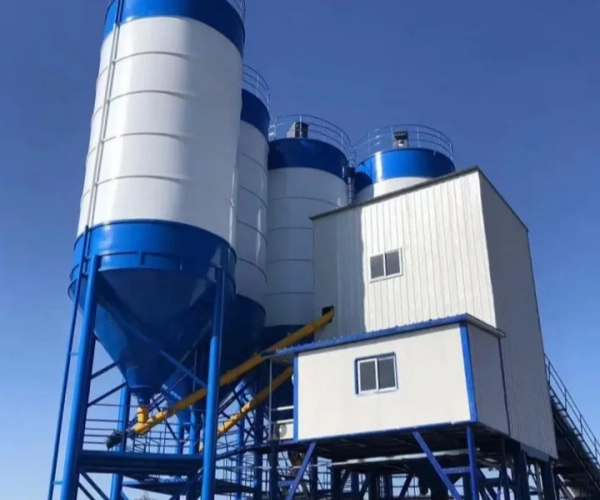
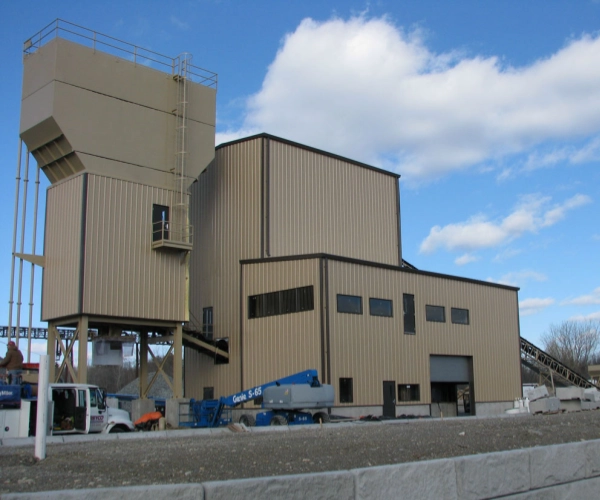
Escenarios de Aplicación y Soluciones Personalizadas para la Planta de Hormigón Dosificado
Nuestras plantas de hormigón dosificado están diseñadas para adaptarse a las diversas necesidades de la construcción moderna. Al adaptar las configuraciones y las estrategias de control, aseguramos una producción de hormigón confiable y eficiente para cada tipo de proyecto.
Infraestructura de Transporte
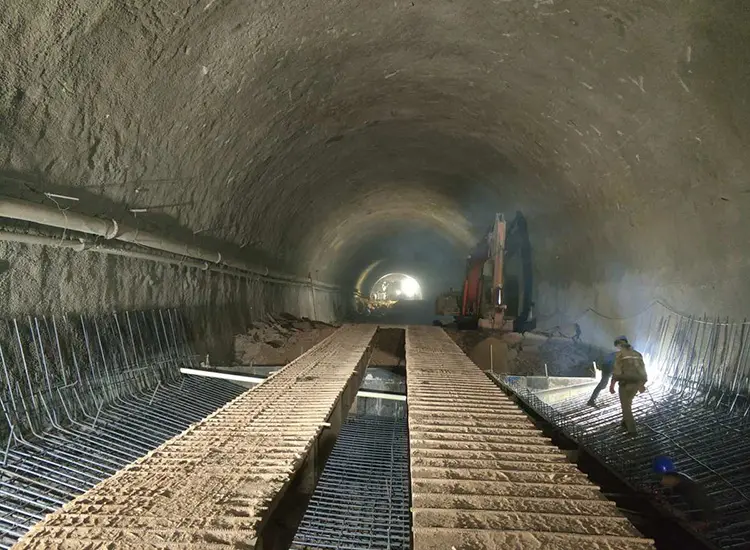
- Aplicaciones Típicas: Carreteras, ferrocarriles, puentes, túneles, aeropuertos.
- Requisitos Clave:
- Producción de Hormigón de Alta Resistencia (C50+) con estrictos estándares de durabilidad.
- Producción continua y de alta capacidad para pavimentación a gran escala.
- Solución Recomendada:
- Serie HZS de Gran Capacidad (120m³/h+): Equipada con Mezcladores de Doble Eje para una mezcla rápida y homogénea.
- Dosificación de Alta Precisión: El pesaje avanzado de agregados asegura una calidad consistente para estructuras críticas de carga.
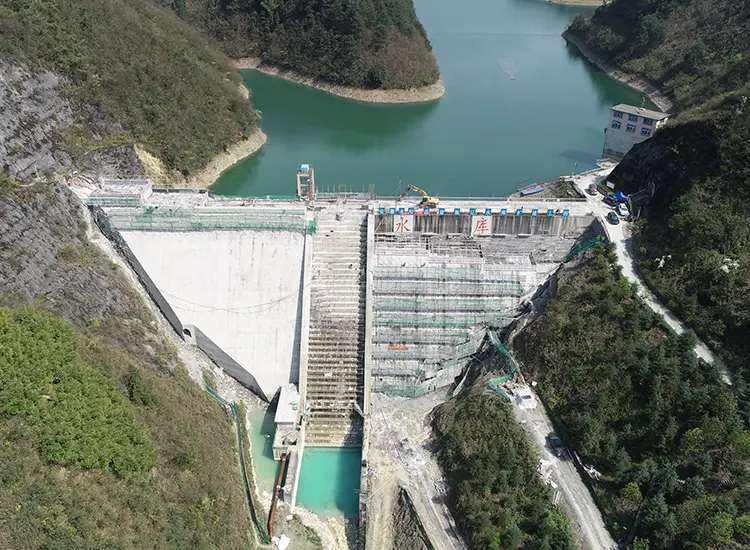
Ingeniería Hidráulica y Marina
- Aplicaciones Típicas: Presas, centrales hidroeléctricas, puertos, proyectos de defensa estatal.
- Requisitos Clave:
- Producción de Hormigón en Masa (ej., RCC) con bajo calor de hidratación.
- Resistencia a la erosión y corrosión en entornos adversos.
- Solución Recomendada:
- Integración de Aditivos Especializados: Sistemas integrados para dosificación de Hielo y Microsílice para controlar la temperatura y durabilidad del hormigón.
- Diseño Resistente a la Intemperie: Estructura completamente cerrada con recubrimiento anticorrosivo para operación exterior a largo plazo.
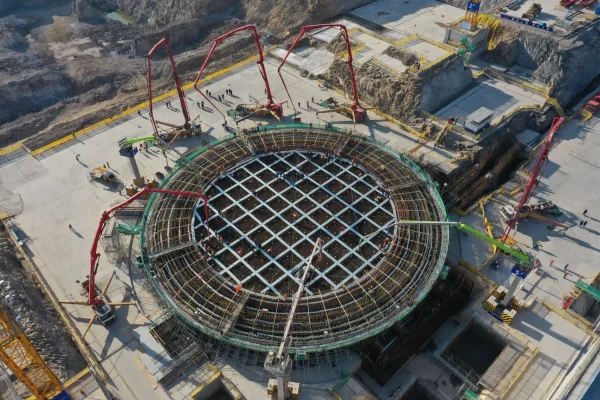
Centrales Nucleares e Instalaciones Energéticas
- Aplicaciones Típicas: Edificios de contención de reactores, estructuras de blindaje contra radiación.
- Requisitos Clave:
- Producción de hormigón de ultra alta densidad y resistente a la radiación.
- Los niveles más altos de seguridad y un control de calidad estricto.
- Solución Recomendada:
- Automatización a Prueba de Fallos: Sistemas de control con doble redundancia que aseguran una dosificación impecable para mezclas de seguridad críticas.
- Pesaje de Servicio Pesado: Células de carga mejoradas diseñadas para manejar con precisión agregados densos de blindaje.
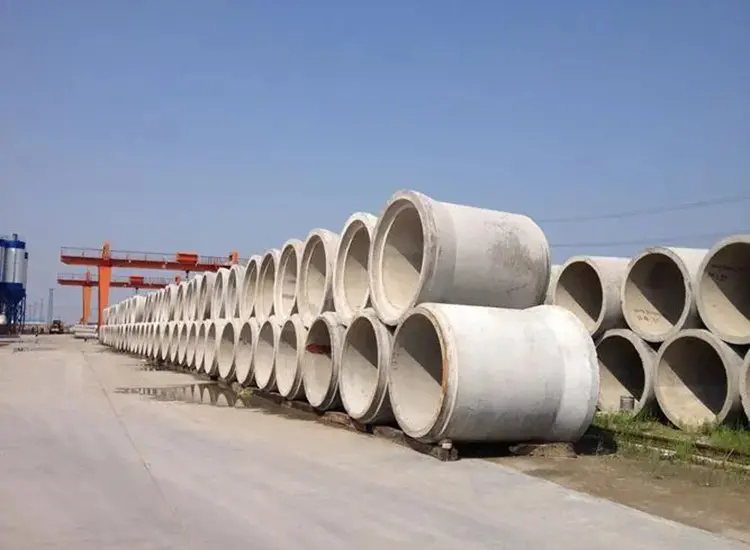
Fabricación de Concreto Prefabricado
- Aplicaciones Típicas: Tuberías de hormigón, losas alveolares, segmentos de túneles, elementos municipales.
- Requisitos Clave:
- Pesaje de Alta Precisión (±1%) para componentes estandarizados.
- Mezcla uniforme de hormigón seco (asentamiento cero) y hormigón plástico.
- Solución Recomendada:
- Opción de Mezclador Planetario: Asegura una homogeneidad superior para elementos prefabricados de alta calidad.
- Integración de Producción Automatizada: Se conecta sin problemas con líneas de producción prefabricadas para una operación sincronizada.
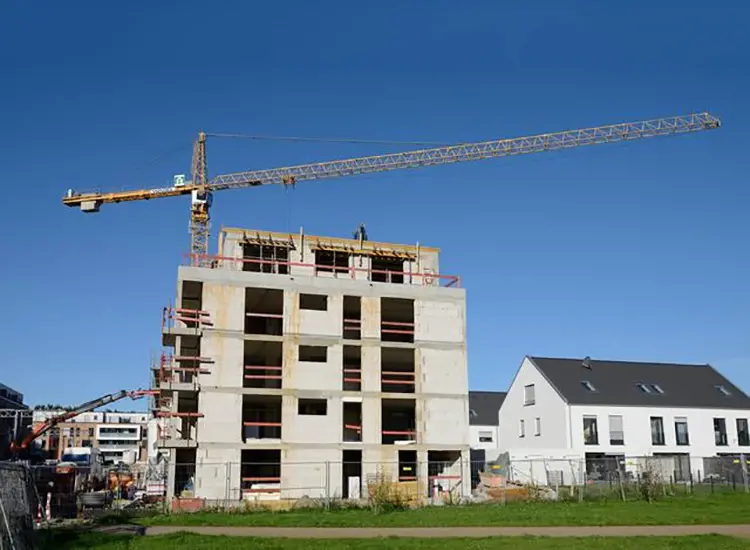
Construcción Comercial y Residencial
- Aplicaciones Típicas: Proyectos de vivienda, complejos comerciales, instalaciones industriales.
- Requisitos Clave:
- Producción estable de hormigón de resistencia normal (C20–C40).
- Rentabilidad y alto retorno de inversión.
- Solución Recomendada:
- Diseño Modular Flexible: Instalación rápida y reubicación sencilla para diferentes fases del proyecto.
- Control de Costos Optimizado: El uso eficiente de materiales y el diseño de bajo mantenimiento maximizan la rentabilidad para proveedores de hormigón premezclado.
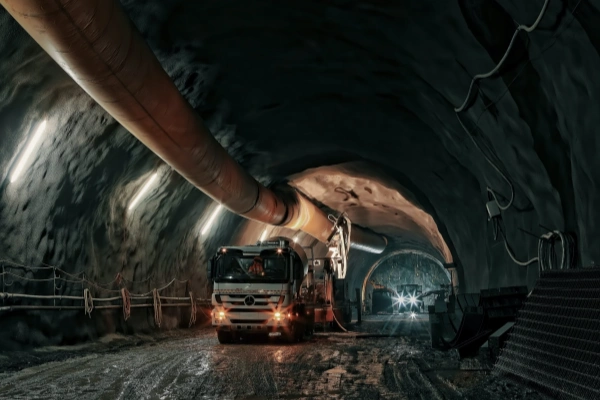
Minería y Relleno Subterráneo
- Aplicaciones Típicas: Relleno de pozos de mina, estabilización de vacíos subterráneos.
- Requisitos Clave:
- Hormigón especial con cualidades de fraguado rápido, alta fluidez y autocompactante.
- Producción continua y estable para la entrega subterránea.
- Solución Recomendada:
- Sistemas de Dosificación Especializados: Integración precisa de acelerantes y superplastificantes para controlar las tasas de flujo.
- Producción de Alto Rendimiento: Diseños de dosificación continua optimizados para operaciones de bombeo de hormigón sin interrupciones.
Por qué CCS es su Fabricante de Confianza de Plantas de Concreto Premezclado
Como especialista Fabricante de planta de hormigón con más de 32 años de experiencia global, CCS no solo vende acero; ofrecemos rentabilidad industrial a largo plazo. Nuestro compromiso con la calidad directa de fábrica nos convierte en el socio preferido para contratistas en Filipinas, India, Arabia Saudita, Australia y más allá.
Asóciese con nosotros para un Éxito “Llave en Mano”:
- Valor Directo de Fábrica: Eliminamos el margen del 20%-40% de los intermediarios proveedores de plantas de concreto, ofreciendo componentes globales premium (Siemens, Schneider) a precios reales de fábrica.
- Respaldo Técnico Global: Proporcionamos soporte completo para proyectos, desde la planificación del diseño del sitio en 3D y planos de cimentación hasta la supervisión de instalación por expertos y diagnóstico remoto de software 24/7.
- ROI Optimizado: Nuestra filosofía de ingeniería es simple: construir plantas que desperdicien menos cemento, consuman menos energía y requieran menos mantenimiento. Le ayudamos a lograr la recuperación total del capital en 8 a 12 meses.
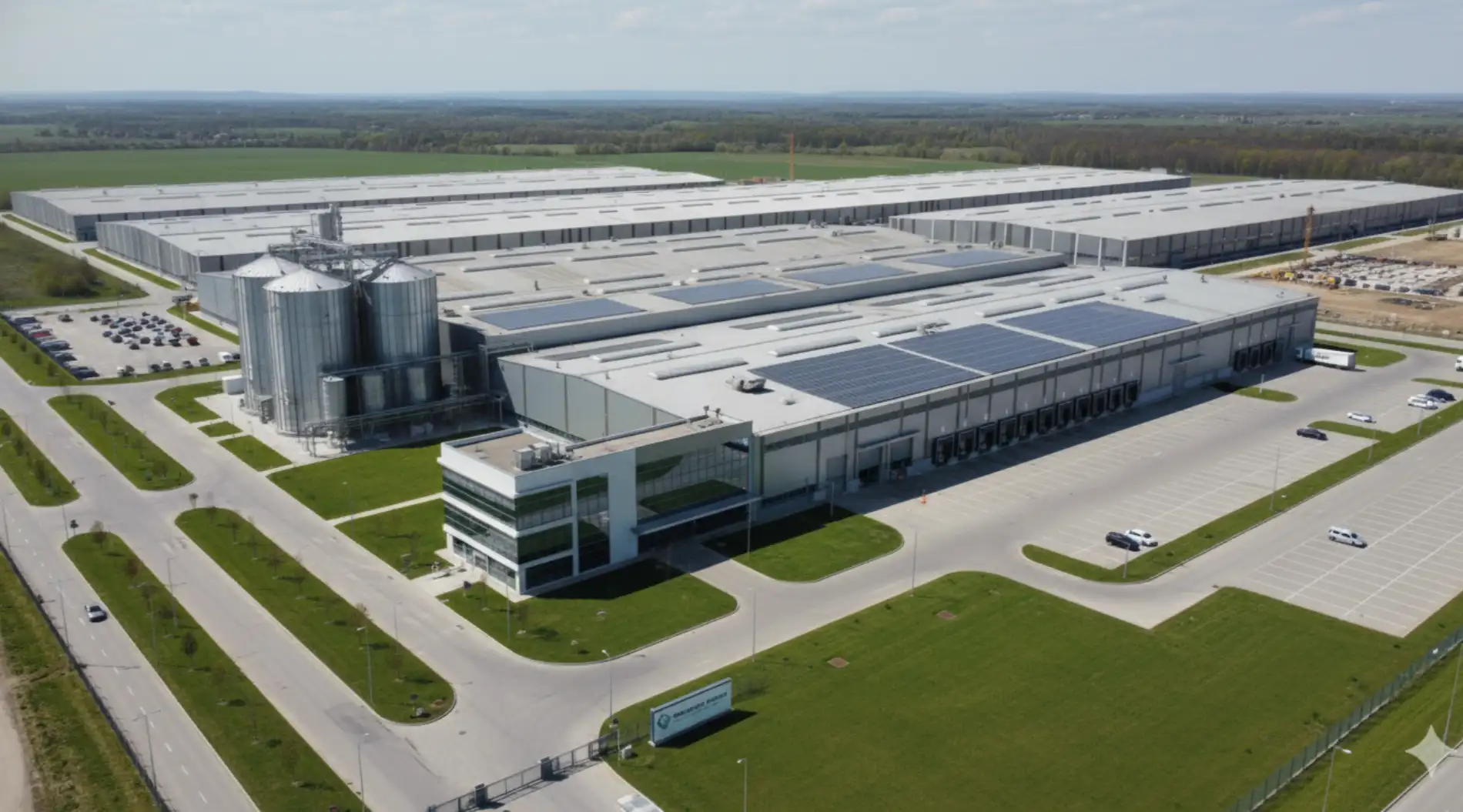

Como organización de servicio completo, nuestro compromiso con su éxito se extiende mucho más allá de la venta. Proporcionamos un sistema de soporte integral diseñado para maximizar su Retorno de la Inversión (ROI).
Ingeniería de Preventa y Consultoría de Inversión
Instalación Experta y Capacitación Operativa
Soporte Postventa y Mantenimiento 24/7
💡Perspectivas de Expertos: Navegando por la Planta de Concreto Premezclado
¿Qué es una Planta de Concreto Premezclado?
Para emprendedores y contratistas que ingresan al sector de materiales de construcción pesados, la pregunta más fundamental suele ser: ¿qué es la tecnología de planta de concreto premezclado y cómo se diferencia del mezclado tradicional en obra?
Una planta de concreto premezclado (ampliamente abreviada como planta RMC) es una instalación industrial centralizada y altamente automatizada. Está diseñada para pesar y combinar con precisión materias primas como agregados, cemento, agua y aditivos químicos en una mezcla de concreto homogénea. Una vez mezclado, este producto de grado comercial se descarga en camiones mezcladores de tránsito y se entrega “justo a tiempo” a varios sitios de construcción.
La ventaja definitoria de una planta dosificadora de concreto premezclado automatizada es su control de calidad sin concesiones. Mientras que el mezclado manual es propenso a errores humanos, una instalación profesional asegura que cada metro cúbico cumpla con los rigurosos estándares de alta resistencia exigidos por los proyectos de infraestructura modernos. Además, invertir en estas instalaciones permite a los proveedores gestionar cientos de diseños de mezcla personalizados, sirviendo simultáneamente a múltiples contratistas independientes con absoluta consistencia.
Maquinaria y Equipos Centrales de una Planta RMC
La rentabilidad a largo plazo de un negocio de concreto comercial depende completamente de la durabilidad y precisión de su hardware. Una instalación de alto rendimiento requiere maquinaria robusta de planta de concreto premezclado diseñada para operación continua y de servicio pesado sin tiempos de inactividad no programados. Al evaluar un sistema, los inversores deben comprender las configuraciones específicas de los componentes de la planta de concreto premezclado que impulsan la eficiencia: La Unidad de Mezclado Central:.
Este es el corazón de la operación. La mayoría de las instalaciones comerciales utilizan mezcladores compulsivos de doble eje de servicio pesado, proporcionando la agitación de alto cizallamiento necesaria para un mezclado rápido y homogéneo. Para aplicaciones especializadas de prefabricados que requieren concreto de asentamiento cero, a menudo se emplean mezcladores planetarios. Sistemas de Dosificación de Agregados: Básculas de Pesaje de Polvos y Líquidos:
- Suspendidas sobre el mezclador, tolvas independientes para cemento, cenizas volantes, agua y aditivos líquidos aseguran una precisión quirúrgica. Los equipos de planta de concreto premezclado de alta gama cuentan con compensación automática de diferencias para mantener tolerancias estrictas de ±1%. Sistemas de Control Automatizados:.
- Las instalaciones modernas son gobernadas por una interfaz inteligente de PLC (Controlador Lógico Programable). Alojado en una cabina con clima controlado, este software registra el consumo diario de materiales, previene errores del operador y permite que un solo técnico supervise todo el ciclo de producción sin problemas. Las operaciones de alto volumen requieren tolvas de agregados de múltiples compartimentos (generalmente de 3 a 6 compartimentos). Estas unidades utilizan cilindros neumáticos de grado industrial y celdas de carga de precisión para medir rápidamente arena y piedra triturada.
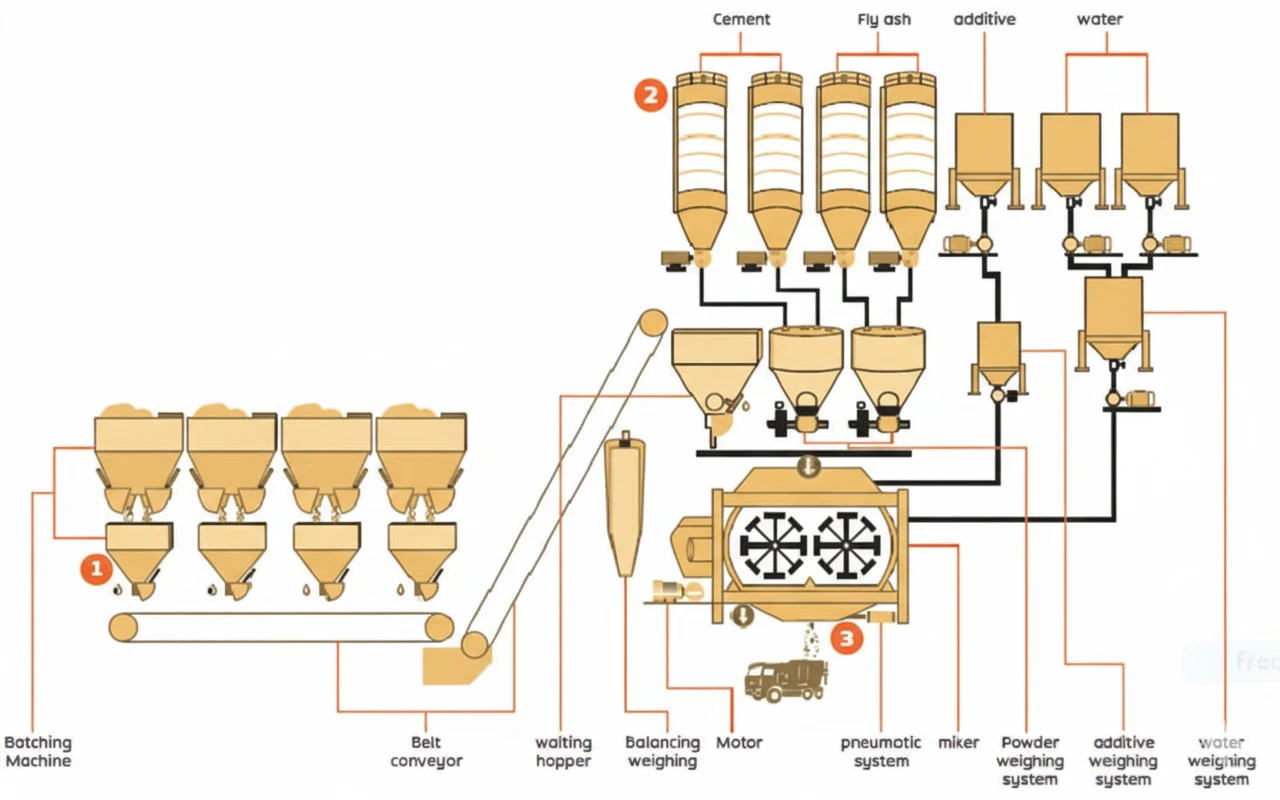
- ¿Por qué "Premezclado"? El concreto premezclado se refiere al concreto recién mezclado que se dosifica centralmente y se vende como un producto comercial. En comparación con el mezclado en obra, ofrece una calidad más estable. Se llama "premezclado" porque no se usa directamente en el sitio de producción, sino que se transporta al sitio de construcción en camiones de concreto. ¿Cómo Funciona una Planta de Concreto Premezclado? (Principio de Funcionamiento) La operación de una planta dosificadora de concreto premezclado es un proceso altamente sincronizado gobernado por un sistema de control PLC automatizado. Todo el flujo de trabajo se puede dividir en cinco pasos precisos: desde el almacenamiento de materias primas hasta la descarga de concreto fresco.
- Bombeado a básculas de líquidos individuales. Para una mejor homogeneidad, nuestras plantas a menudo premezclan aditivos con agua ( Diseño y Diagrama de la Planta de Concreto Premezclado.
Diseñar un diseño eficiente de planta de concreto premezclado es tan crítico como seleccionar la maquinaria misma. Un sitio mal planificado puede provocar cuellos de botella de tráfico para los camiones mezcladores, una reposición lenta de materias primas y, en última instancia, una disminución en su producción diaria de concreto.
Ya sea que su instalación esté ubicada en un área urbana congestionada o en un parque industrial espacioso, la disposición espacial debe priorizar el flujo continuo de materiales y el movimiento seguro de vehículos.
Zonas Centrales en un Diagrama de Planta Estándar
Al revisar un diagrama de planta de concreto premezclado, típicamente verá el sitio dividido en cuatro zonas operativas distintas:.
Paso 1: Almacenamiento y Alimentación de Materiales
Diferentes tipos de agregados (arena, grava) se cargan en compartimentos separados del dosificador de agregados usando un cargador frontal. Simultáneamente, el cemento a granel y las cenizas volantes se almacenan en silos sellados, mientras que el agua y los aditivos líquidos se mantienen en tanques dedicados.
Paso 2: Pesaje y Dosificación Precisos
Una vez que el operador ingresa la receta de hormigón requerida en el panel de control, comienza el proceso de pesaje automatizado:
- Agregados: Descargados a través de compuertas neumáticas y pesados con precisión en una cinta transportadora o tolva suspendida por celdas de carga.
- Polvos (Cemento/Cenizas Volantes): Transportados mediante tornillos sinfín a básculas de pesaje independientes sobre el mezclador.
- Agua y Aditivos: La Torre de Mezclado Principal:disolución secundaria) antes de que entren al mezclador.
Paso 3: Transporte al Mezclador
Una vez que todos los materiales alcanzan sus pesos objetivo exactos, se transfieren a la unidad de mezcla central. Los agregados viajan por una cinta transportadora inclinada (o un cangilón elevador), mientras que los polvos y líquidos caen directamente desde sus básculas por gravedad y bombas presurizadas.
Paso 4: Mezcla Homogénea
El corazón de la planta, típicamente un mezclador de Doble Eje o Planetario, combina todos los ingredientes secos y húmedos. Las palas potentes del mezclador agitan agresivamente los materiales durante un tiempo determinado, asegurando una mezcla completamente homogénea con la resistencia y trabajabilidad deseadas.
Paso 5: Descarga y Transporte
Al completar el ciclo de mezcla, la compuerta de descarga inferior del mezclador se abre neumática o hidráulicamente. El hormigón fresco cae directamente a un camión hormigonera en espera o a una tolva de bomba de hormigón, listo para ser entregado al sitio de construcción.
Ubicada en el centro de la operación, esta estructura soporta las tolvas de pesaje y el mezclador central. La altura de la compuerta de descarga es crítica: debe proporcionar suficiente espacio libre (típicamente de 3.8 m a 4.1 m) para que los camiones mezcladores pasen por debajo sin problemas.
Zona de Almacenamiento y Alimentación de Agregados: Posicionada detrás o adyacente a la torre de mezclado. En una disposición de cinta transportadora, esta zona requiere una huella más larga (hasta 40-50 metros) para acomodar la inclinación de 18 grados de la cinta principal. Parque de Silos de Cemento:.
Silos de almacenamiento cilíndricos altos se agrupan. Un diseño bien planificado los coloca cerca de la torre de mezclado para mantener los transportadores de tornillo cortos, reduciendo el desgaste y el consumo de energía.
Bucle de Tráfico y Logística:
Al revisar un diagrama de planta de concreto premezclado, normalmente verás el sitio dividido en cuatro zonas operativas distintas:
- La Torre Principal de Mezclado: Ubicada en el centro de la operación, esta estructura soporta las tolvas de pesaje y la mezcladora central. La altura de la compuerta de descarga es crítica—debe proporcionar suficiente espacio libre (típicamente de 3.8 m a 4.1 m) para que los camiones mezcladores pasen por debajo sin problemas.
- Zona de Almacenamiento y Alimentación de Agregados: Situada detrás o adyacente a la torre de mezclado. En un diseño con cinta transportadora, esta zona requiere una huella más larga (hasta 40-50 metros) para acomodar la inclinación de 18 grados de la cinta principal.
- Parque de Silos de Cemento: Los silos de almacenamiento altos y cilíndricos se agrupan. Un diseño bien planificado los coloca cerca de la torre de mezclado para mantener los transportadores de tornillo cortos, reduciendo el desgaste y el consumo de energía.
- Bucle de Tráfico y Logística: El aspecto más vital del diseño. Un diseño profesional de la planta garantiza un flujo de tráfico circular de un solo sentido para los camiones mezcladores de tránsito, completamente separado de los cargadores de ruedas pesadas que alimentan las tolvas de agregados.
Elegir la Forma de Distribución Correcta
Los fabricantes profesionales suelen ofrecer configuraciones altamente adaptables para maximizar el área requerida para una planta RMC:
- Distribución Lineal (En Línea): Las tolvas de agregados, la cinta transportadora y la torre de mezclado están alineadas en línea recta. Este es el estándar de la industria para plantas de alta capacidad, ofreciendo el flujo de material más directo.
- Distribución en Forma de L o T: Si el terreno es ancho pero carece de profundidad, el sistema de alimentación de agregados se puede posicionar en un ángulo de 90 grados con respecto a la torre de mezclado. Esta flexibilidad modular asegura que la planta pueda adaptarse a límites de terreno no convencionales sin comprometer la velocidad de producción.
¿Cómo Elegir: Planta de Concreto Mezclado en Seco Estacionaria vs. Móvil?
Decidir entre una planta de hormigón estacionaria y una portátil es una de las decisiones más críticas para cualquier contratista o proveedor de hormigón premezclado. Ambos tipos cumplen la misma función principal (producir hormigón de alta calidad), pero están diseñados para modelos operativos muy diferentes. Para tomar la decisión correcta, debe evaluar la duración de su proyecto, el volumen de producción y la frecuencia de reubicación.
Diferencias clave a considerar
Duración del proyecto y reubicación
Elija estacionaria si: Su proyecto (como una gran presa, aeropuerto o fábrica de prefabricados) durará varios años en una sola ubicación, o si está estableciendo un negocio comercial de hormigón premezclado. Las plantas estacionarias requieren cimientos de hormigón robustos, lo que las hace más difíciles de mover pero increíblemente estables para uso a largo plazo.
Elija móvil si: Trabaja en proyectos a corto plazo (como construcción de carreteras o parques eólicos) que requieren que la planta se mueva cada pocos meses. Las plantas móviles están precableadas sobre un chasis con ruedas, lo que permite un despliegue e instalación rápidos sin necesidad de grandes obras de cimentación civil.
Capacidad de Producción
Ventaja estacionaria: Están construidas para una producción de alto volumen. Nuestras plantas estacionarias pueden alcanzar capacidades de hasta 240 m³/h. Con tolvas de agregados más grandes, mezcladores de doble eje más grandes y cintas transportadoras más anchas, manejan una producción continua y de servicio pesado sin problemas.
Limitación móvil: Debido a las restricciones de peso y tamaño del chasis para el transporte por carretera, las plantas móviles generalmente alcanzan un máximo de alrededor de 120 m³/h. Su capacidad de almacenamiento de agregados también suele ser menor, lo que requiere un rellenado más frecuente con cargadores de ruedas.
Costo inicial frente a retorno de la inversión a largo plazo
Plantas Estacionarias: El costo de instalación inicial es más alto debido a la extensa construcción de cimientos, preparación del sitio y tiempos de instalación más largos. Sin embargo, para proyectos a largo plazo, los menores costos de mantenimiento, mayor eficiencia y mayor durabilidad resultan en un Retorno de la Inversión (ROI) significativamente mejor y un menor costo por metro cúbico con el tiempo.
Plantas Móviles: Ofrecen costos de instalación inicial más bajos y capacidades de producción inmediatas. Son altamente rentables para contratistas que necesitan cambiar de sitio con frecuencia, ahorrando considerablemente en gastos de transporte y reinstalación.
Nuestra Recomendación
Invierta en una planta estacionaria si está construyendo una instalación comercial permanente de hormigón premezclado, una fábrica de componentes prefabricados o abasteciendo un megaproyecto de varios años donde la máxima capacidad y la estabilidad inquebrantable no son negociables.
Opte por una planta móvil si la agilidad es su prioridad y su modelo de negocio depende de trasladarse de un sitio de construcción de tamaño mediano al siguiente.
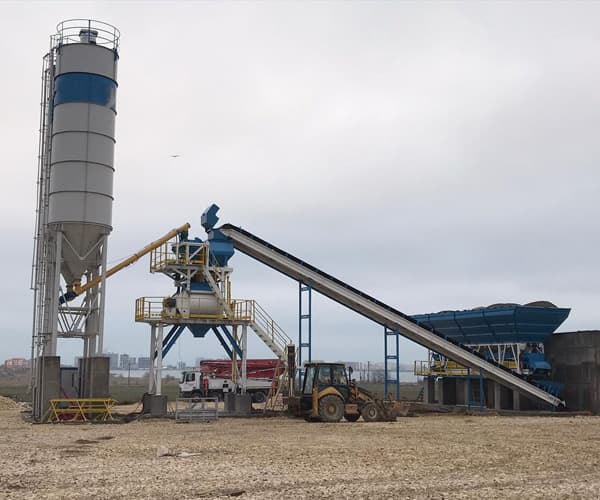
Planta de Hormigón Estacionaria
Capacidad: 25 – 240 m³/h (Modelos: Serie HZS)
Planta de Concreto Mezclado en Seco vs. Mezclado en Obra
Al planificar un proyecto de construcción, decidir entre abastecerse de una planta centralizada ready mix concrete plant y depender del mezclado tradicional en obra impacta significativamente su presupuesto, cronograma y calidad estructural. A continuación, se presenta una comparación objetiva para ayudar a guiar su decisión:
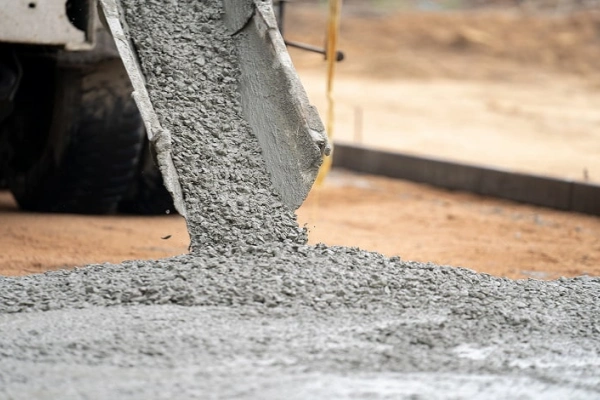
VS
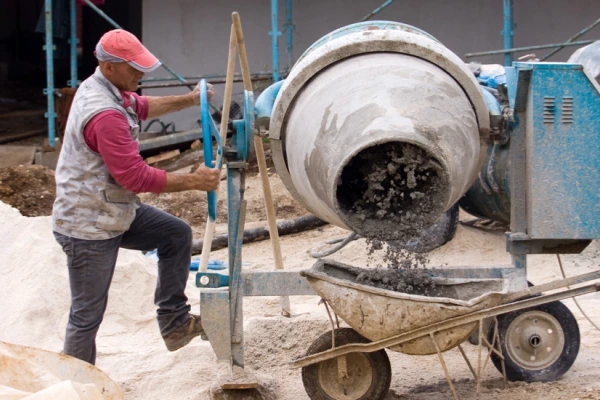
| Planta RMC | Tipo | Mezclado en Obra |
|---|---|---|
| Utiliza sistemas de dosificación automatizados y celdas de carga de precisión. Los materiales se pesan en un entorno controlado, asegurando el cumplimiento estricto de los diseños de mezcla y una calidad consistente en cada lote. | Control de Calidad y Consistencia | Depende en gran medida de la carga manual y la experiencia del operador. Los niveles de humedad y las proporciones de materiales son más difíciles de controlar, lo que resulta en un mayor riesgo de variabilidad de resistencia y retrabajo. |
| Diseñada para una producción continua y de alto volumen. Una vez establecida la cadena logística, puede suministrar cientos de metros cúbicos por día, manteniendo los proyectos a gran escala estrictamente dentro del cronograma. | Volumen de Producción y Tiempo de Entrega | La producción está limitada por la pequeña capacidad de las mezcladoras de tambor. Es adecuada para configuraciones rápidas, pero tiene dificultades para satisfacer las demandas de vertidos de concreto continuos y a gran escala. |
| La producción centralizada reduce los requisitos de mano de obra en obra y elimina la necesidad de alquilar múltiples mezcladoras pequeñas. Los algoritmos de dosificación optimizados también minimizan los sobrantes de materia prima y las tarifas de eliminación. | Eficiencia de Costos y Desperdicio de Materiales | Requiere una fuerza laboral manual más grande para manejar sacos de cemento y agregados. Los materiales no utilizados o mal mezclados a menudo conducen a tasas de desperdicio más altas en el sitio de trabajo. |
| Requiere una coordinación cuidadosa con los camiones mezcladores de tránsito. La distancia de transporte afecta la trabajabilidad del concreto, por lo que es vital ubicar una planta de concreto mezclado en seco cerca de mí para reducir los tiempos de tránsito y mantener el rendimiento del concreto. | Logística y Flexibilidad | Ofrece cero demoras en el transporte y alta flexibilidad para ajustar lotes pequeños en tiempo real. Sigue siendo una opción práctica para ubicaciones aisladas o necesidades de volumen muy bajo. |
Para trabajos pequeños, remotos o altamente intermitentes, el mezclado en obra es suficiente. Sin embargo, para desarrollos urbanos, infraestructura comercial y proyectos que requieren calidad estandarizada, utilizar o invertir en una planta profesional ready mix concrete plant proporciona la escala y confiabilidad necesarias.
Iniciando su Negocio de Hormigón: Pasos Esenciales para el Éxito
Invertir en una planta de concreto mezclado en seco es altamente gratificante, pero la rentabilidad a largo plazo requiere más que solo comprar equipo. Para emprendedores y contratistas que buscan ingresar al mercado de concreto premezclado, una hoja de ruta estratégica clara es esencial.
Paso 1 Investigación de Mercado y Planificación de Negocios
Antes de comprar terreno o equipo, evalúe la demanda local de hormigón. ¿Se dirige a desarrollos residenciales, edificios comerciales de gran altura o infraestructura gubernamental? Desarrolle un plan de negocios sólido que describa su capacidad objetivo, precios de la competencia y proyecciones de retorno de inversión para asegurar financiamiento de bancos o inversores.
Paso 2 Ubicación Estratégica y Permisos
Elija un sitio que minimice los costos logísticos. Debe estar cerca de los proveedores de materias primas (canteras, plantas de cemento) y dentro de un radio de 15-20 km de sus centros de construcción objetivo. Asegúrese de que el sitio tenga suministro eléctrico y de agua adecuado, y cumpla con las regulaciones ambientales y de zonificación locales antes de solicitar permisos de fabricación.
Paso 3 Invertir en el Equipo Adecuado
Aquí es donde nos convertimos en su socio más fuerte. Su planta es el corazón de su negocio. Para operaciones comerciales de pequeña a mediana escala, una HZS60 o HZS90 proporciona el equilibrio perfecto entre costo y producción. Para el suministro de múltiples proyectos a gran escala, invertir en modelos de servicio pesado como la HZS120 o HZS180 con controles PLC totalmente automatizados asegura que pueda cumplir con las demandas de alto volumen sin tiempo de inactividad.
Paso 4 Construcción de una Cadena de Suministro Confiable y una Flota Logística
Una planta exitosa necesita un flujo constante de cemento, arena y agregados de alta calidad. Asóciese con proveedores locales confiables para evitar retrasos en la producción. Finalmente, construya una red de distribución eficiente, ya sea invirtiendo en su propia flota de camiones hormigonera o asociándose con empresas de logística de confianza, para asegurar que su hormigón fresco llegue a los clientes a tiempo.
Consideraciones para Establecer una Planta de Concreto Mezclado en Seco
Licencias y Permisos
Asegúrese de tener la licencia comercial legal y otros permisos necesarios. Los requisitos pueden variar según la región, incluyendo protección ambiental, control de calidad y más. Es crucial solicitar los permisos necesarios según las políticas locales.
Regulaciones Ambientales
Operar una planta de concreto mezclado en seco puede generar ruido, polvo y aguas residuales, que deben cumplir con las regulaciones ambientales locales.
Gestión de la Seguridad en la Producción
Las plantas de dosificación de concreto deben cumplir con las leyes y regulaciones de seguridad en la producción nacionales y locales, cubriendo la instalación del equipo, la capacitación del operador y la preparación para emergencias.
Control de Calidad del Producto
Los productos de concreto deben cumplir con los estándares de materiales de construcción nacionales y locales. Es esencial comprender y cumplir con los estándares de control de calidad relevantes.
Establecer una planta de concreto mezclado en seco es un proceso complejo. Para ayudar a los clientes a minimizar las molestias, ofrecemos apoyo como interpretación de políticas, soluciones de seguridad en la producción, asistencia en el control de calidad y preparación de documentos de solicitud de proyectos, asegurando que su proyecto se lance de manera fluida y rápida.
Equipo Auxiliar Esencial para su Negocio de Concreto Mezclado en Seco
Una planta de dosificación de concreto premezclado es el corazón de su operación, pero para proporcionar un servicio completo y competitivo a sus usuarios finales, necesita el equipo auxiliar adecuado. Ofrecer servicios de entrega y bombeo no solo resuelve los problemas logísticos de sus clientes, sino que también aumenta significativamente sus márgenes de beneficio.
Dependiendo de su modelo de negocio, considere agregar el siguiente equipo a su flota:
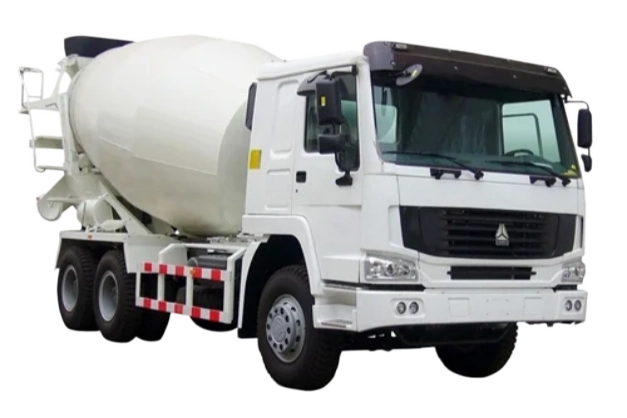
Camiones Hormigonera
La Línea de Vida del Hormigón Premezclado: No puede vender hormigón comercial sin una forma de transportarlo. Las hormigoneras mantienen el hormigón agitado durante la entrega para evitar un fraguado prematuro.
Recomendación: El tamaño y la cantidad de camiones que necesita dependen directamente de la capacidad horaria de su planta y la distancia promedio a los sitios de construcción.
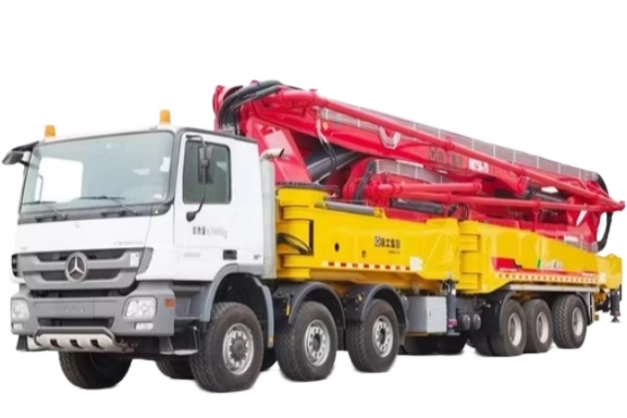
Bombas de Hormigón Montadas en Camión
Oferta de Servicio Premium: Muchos clientes que piden hormigón para edificios de gran altura o grandes proyectos de infraestructura carecen de los medios para colocarlo. Al ofrecer un servicio de bomba pluma junto con sus ventas de hormigón, se convierte en un atractivo “ventanilla única”.”
Recomendación: Ideal para proyectos que requieren una colocación de hormigón rápida, flexible y en grandes alturas.
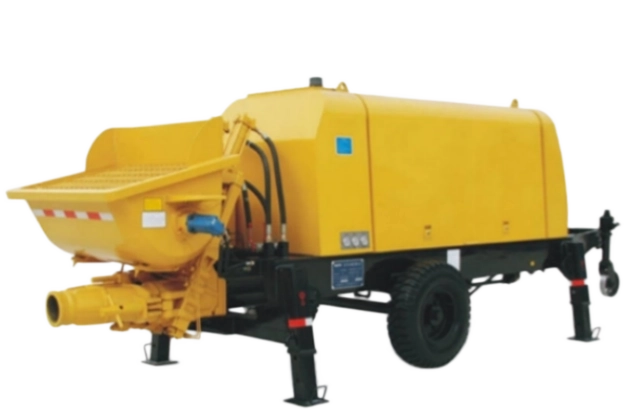
Bombas de Hormigón Remolcables
Solución Rentable a Largo Plazo: A diferencia de las bombas pluma, las bombas remolcables son unidades estacionarias colocadas cerca del sitio de construcción. Las hormigoneras descargan directamente en la tolva de la bomba, que luego empuja el hormigón a través de tuberías a alturas extremas o largas distancias.
Recomendación: Una opción muy económica para proyectos de ubicación fija a largo plazo, como torres residenciales de gran altura.
💡Consejo Profesional para Maximizar Ganancias
En la industria del hormigón premezclado comercial, los proveedores que ofrecen tanto el hormigón como el equipo de colocación (camiones y bombas) obtienen mayores cuotas de mercado. Puede combinar fácilmente estos servicios e incluir los costos del equipo en su precio final por metro cúbico, asegurando un rápido retorno de su inversión.
Mejores Prácticas para Operar y Mantener una Planta de Concreto Mezclado en Seco
Asegurar una planta de alta calidad ready mix concrete plant es solo el primer paso. La instalación adecuada en el sitio, la operación diaria disciplinada y el mantenimiento preventivo riguroso son las verdaderas claves para garantizar una calidad constante del concreto, minimizar el tiempo de inactividad y maximizar la vida útil de su equipo.
Seguir estas pautas profesionales le ayudará a alcanzar la máxima eficiencia operativa:
Fase 1 Preparación del Sitio e Instalación Segura
Una instalación altamente productiva se basa en una ingeniería civil inicial impecable y una planificación logística.
- Resistencia de la Cimentación: Asegúrese de que el terreno haya sido inspeccionado y compactado para proporcionar una capacidad de carga suficiente, particularmente para los silos de cemento elevados y el chasis de mezclado de servicio pesado.
- Flujo Logístico: Asigne espacio amplio para los acopios de materia prima y diseñe una ruta de tráfico circular de un solo sentido para los camiones mezcladores. Esto evita la congestión y garantiza un proceso de carga rápido e ininterrumpido.
- Infraestructura de Servicios: Establezca conexiones eléctricas de grado industrial, un suministro de agua de alto volumen y sistemas de drenaje de aguas residuales adecuados antes de comenzar el montaje mecánico para evitar retrasos operativos.
Fase 2 Excelencia Operativa Diaria
Una producción constante requiere personal capacitado y una estricta adherencia a los protocolos automatizados.
- Utilización del Sistema: Capacite a fondo a sus operadores en el software PLC automatizado. Deben comprender cómo gestionar diversas recetas de mezcla, utilizar la compensación dinámica de humedad y cambiar al modo manual solo durante emergencias.
- Calibración y Precisión: Calibre regularmente las celdas de carga de alta precisión en las básculas de agregados, cemento y agua para mantener una estricta precisión de dosificación y evitar el costoso desperdicio de material.
- Sincronización de Despacho: Mantenga una comunicación clara entre la sala de control y la flota de camiones para optimizar los programas de entrega, asegurando que el hormigón fresco llegue al sitio exactamente cuando se necesita.
Fase 3 Mantenimiento Preventivo y Solución de Problemas
En el negocio del hormigón comercial, las averías inesperadas pueden destruir sus márgenes de beneficio.
- Rutinas Diarias de Lavado: Implemente un protocolo estricto de limpieza al final del turno para el interior del mezclador central y las compuertas de descarga para evitar que la acumulación de hormigón dañe los brazos de mezclado.
- Gestión de Lubricación: Inspeccione rutinariamente la bomba de lubricación centralizada. Asegurar un flujo constante de grasa a los sellos del extremo del eje del mezclador es fundamental para evitar que la lechada de cemento abrasiva destruya los rodamientos principales.
- Reemplazo Predictivo: Realice un seguimiento de las horas de operación de los componentes de alta fricción, como paletas mezcladoras, revestimientos internos y bandas transportadoras. Reemplace estas piezas de desgaste durante las ventanas de mantenimiento programado en lugar de esperar una falla catastrófica en medio de la producción.
🤝No se Preocupe, Estamos Aquí para Ayudar
Navegar por la instalación y el mantenimiento de una planta de hormigón premezclado puede parecer desalentador, pero nunca está solo. Proporcionamos planos de cimentación completos, despachamos ingenieros expertos para la instalación in situ y ofrecemos soporte técnico de por vida. Capacitamos a sus operadores locales hasta que tengan plena confianza en el funcionamiento y mantenimiento de la planta.
Cómo Elegir un Fabricante Confiable de Plantas de Hormigón Premezclado?
Invertir en una planta de hormigón premezclado es una decisión financiera importante. Asociarse con el fabricante adecuado garantiza que reciba equipos confiables, un soporte técnico sólido y un valor a largo plazo. Al evaluar proveedores potenciales, utilice estos cinco criterios clave para identificar a un líder de la industria:
(1) Experiencia Comprobada en la Industria
Qué Buscar: Busque fabricantes con décadas de experiencia especializada. Una larga trayectoria demuestra su experiencia en diseño, producción y resolución de desafíos de ingeniería del mundo real.
Nuestra Ventaja: Con más de 32 años de excelencia dedicada en fabricación, tenemos profundas raíces en la maquinaria de hormigón, lo que garantiza que cada planta que construimos esté probada en condiciones reales y refinada.
(2) Presencia Global y Casos de Estudio Exitosos
Qué Buscar: Un proveedor de buena reputación debe tener una fuerte huella global con instalaciones exitosas en diversos climas y entornos regulatorios. Solicite referencias de proyectos.
Nuestra Ventaja: Nuestras plantas de hormigón premezclado están impulsando proyectos de infraestructura crítica en mercados exigentes de todo el mundo, desde Australia y Corea del Sur hasta el Sudeste Asiático, Medio Oriente y África.
(3) Personalización y Gama de Productos
Qué Buscar: Evite los enfoques “universales”. Un fabricante profesional ofrece flexibilidad, desde unidades móviles compactas hasta plantas de hormigón premezclado masivas, adaptando las configuraciones a la distribución exacta de su sitio y a los requisitos de mezcla.
Nuestra Ventaja: Ofrecemos una cartera integral (Estacionaria, Móvil, Mezcla Seca) y nos especializamos en Diseño Modular Definitivo, asegurando que su planta se alinee perfectamente con sus objetivos operativos.
(4) Soporte Integral Postventa
Qué Buscar: Una planta es tan buena como el servicio que la respalda. Asegúrese de que el fabricante proporcione instalación llave en mano, capacitación para operadores, entrega rápida de piezas de repuesto y términos de garantía sólidos.
Nuestra Ventaja: Somos una organización de servicio completo. Desde la previsión del ROI hasta la asistencia de diagnóstico remoto 24/7 y el envío de ingenieros para el montaje en sitio, nuestro soporte nunca descansa.
(5) Transparencia de Fábrica y Estándares de Calidad Certificados
Qué Buscar: Los fabricantes creíbles se adhieren a estrictos estándares internacionales de fabricación y reciben con agrado las inspecciones de fábrica. Las certificaciones verificadas son una prueba innegociable de calidad, seguridad y cumplimiento ambiental.
Nuestra Ventaja: Nuestro compromiso con la excelencia está respaldado por certificaciones reconocidas mundialmente, incluyendo CE, ISO, SGS y BV. Utilizamos acero estructural de alta resistencia y componentes globales premium en cada planta que construimos. Le invitamos a visitar nuestras instalaciones de fabricación o solicitar un recorrido virtual en vivo para presenciar de primera mano nuestros rigurosos procesos de control de calidad.
Comprar una Planta de Hormigón Premezclado Nueva vs. Usada
Al analizar el costo total de la planta RMC, muchos inversores se sienten tentados por el bajo precio de etiqueta de la maquinaria de segunda mano. Sin embargo, aunque una planta de hormigón premezclado usada en venta puede parecer una ganga, a menudo es un pasivo de alto riesgo.
Por Qué los Sistemas Nuevos Superan a la Maquinaria Usada?
- Fiabilidad de Ingeniería y Garantía: Una planta usada se vende “tal cual” sin protección. Una inversión en una planta nueva está respaldada por una garantía completa del fabricante, lo que garantiza que su centro de producción permanezca operativo las 24 horas del día, los 7 días de la semana.
- Precisión y Ahorro de Material: Las plantas de hormigón más antiguas sufren desgaste mecánico que destruye la precisión del pesaje (a menudo superando un error de ±5%). Nuestros nuevos sistemas automatizados garantizan una precisión de dosificación de ±1%, amortizando el equipo solo con el ahorro de material.
- Cumplimiento Normativo: Las plantas usadas a menudo tienen dificultades para cumplir con las regulaciones modernas de emisión de polvo y ruido de 2026, arriesgándose a fuertes multas o al cierre del sitio. Nuestras nuevas unidades están construidas según los últimos estándares ambientales globales.
PREGUNTAS FRECUENTES
Proporcionamos servicios profesionales de instalación y puesta en marcha para garantizar la configuración y operación correctas de su planta de hormigón. Y brindamos capacitación y soporte al personal técnico para garantizar que su equipo reciba la capacitación suficiente sobre el funcionamiento y mantenimiento de la planta de hormigón.
El tiempo de instalación varía según el tamaño de la planta y las condiciones locales del sitio. Generalmente, una vez que la base de concreto está completamente curada, el montaje mecánico y el cableado eléctrico toman aproximadamente 7 a 15 días. Esto es seguido por una fase de puesta en marcha de 3 a 7 días para calibrar los sistemas de pesaje y probar la automatización del PLC bajo carga. Despachamos ingenieros experimentados a su sitio para guiar todo el proceso y garantizar una puesta en marcha rápida y segura.
Ofrecemos una garantía líder en la industria para nuestros productos, asegurando que no se vea afectado por ningún defecto de material o proceso. Estamos comprometidos con la calidad y la confiabilidad, y su inversión estará garantizada. Obtenga más información sobre nuestra cobertura de garantía en línea o comuníquese con un representante para obtener más detalles.
Con estructuras de acero robustas de servicio pesado, componentes globales premium y paletas mezcladoras especializadas resistentes al desgaste, nuestras plantas de hormigón premezclado están construidas para una durabilidad a largo plazo. Con un mantenimiento diario adecuado y el reemplazo oportuno de las piezas de desgaste estándar, nuestras plantas operan de manera confiable durante 10 a 15 años o más, incluso bajo producción continua de alta intensidad en entornos hostiles.
La calidad del hormigón depende completamente de la dosificación precisa de la materia prima y de la mezcla uniforme. Nuestras plantas logran esto a través de dos tecnologías principales:
Primero, Pesaje de Alta Precisión: Utilizamos tolvas de pesaje independientes equipadas con componentes de clase mundial (precisas a ±1%) para todos los materiales. Además, nuestro sistema PLC cuenta con. Esto aísla las básculas de las vibraciones del mezclador, asegurando que las mediciones de agregados, cemento y agua sean precisas dentro de ±1%.
Segundo, Automatización Avanzada con PLC: El sistema de control inteligente monitorea los niveles de humedad en la arena y ajusta automáticamente la relación agua-cemento en tiempo real. Combinado con nuestros mezcladores de alta resistencia de Doble Eje o Planetarios, la planta garantiza una mezcla perfectamente homogénea y de alta resistencia en cada lote, eliminando por completo el error humano.
Sí, absolutamente. Nuestras plantas son altamente versátiles. Mediante el uso de mezcladores de doble eje o planetarios de alto rendimiento, nuestras plantas pueden producir hormigón comercial de resistencia normal, hormigón de alta resistencia (C50+), hormigón seco de asentamiento cero y RCC (Concreto Compactado con Rodillo). Además, el sistema de control PLC le permite almacenar y cambiar instantáneamente entre cientos de diferentes recetas de mezcla para satisfacer demandas específicas del proyecto.
Entendemos que el tiempo de inactividad equivale a pérdida de ingresos. Proporcionamos soporte técnico remoto las 24 horas del día, los 7 días de la semana para diagnosticar rápidamente problemas de PLC o software. Para el mantenimiento mecánico, suministramos un paquete completo de piezas de desgaste críticas con su envío inicial. Si necesita piezas adicionales, nuestra red logística global garantiza una entrega rápida de componentes originales directamente en su sitio.
Si su sitio tiene un suministro eléctrico municipal estable y suficiente, un generador no es obligatorio. Sin embargo, si está operando en un área remota con energía de red no confiable o cortes frecuentes, recomendamos firmemente invertir en un generador diésel de respaldo. Esto asegura una producción ininterrumpida y evita que el concreto fresco se endurezca dentro del mezclador durante un corte de energía inesperado. Podemos asesorarle sobre la clasificación KVA exacta requerida para su modelo de planta específico.
Sí, absolutamente. Nuestras plantas de concreto premezclado cuentan con un Diseño Modular Definitivo, que proporciona una flexibilidad excepcional para el crecimiento futuro del negocio.
Si sus demandas de producción aumentan, no necesita comprar una planta completamente nueva. Puede expandir fácilmente su operación agregando silos de cemento adicionales para aumentar el almacenamiento, instalando compartimentos adicionales de tolvas de agregados para diseños de mezcla más complejos, o actualizar a una mezcladora de doble eje de mayor capacidad. Nuestro software de control también es totalmente escalable, permitiendo la integración perfecta de nuevos componentes (como sistemas de dosificación de hielo o microsílice) sin interrumpir su flujo de trabajo existente.
Productos Relacionados
Planta de Hormigón Estacionaria
Capacidad: 25 – 240 m³/h (Modelos: Serie HZS)
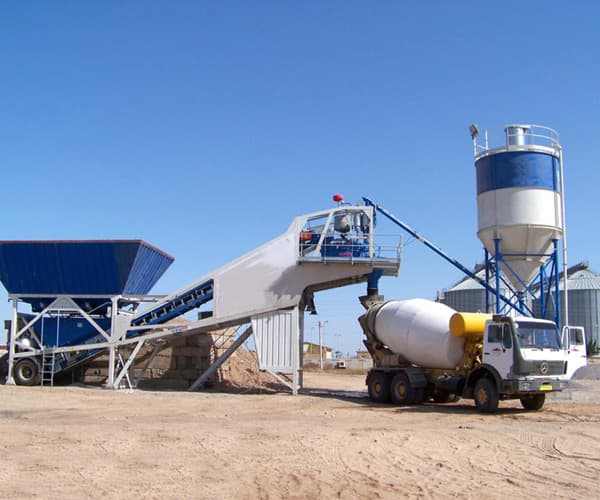
Planta de Hormigón Móvil
Capacidad: 25 – 90 m³/h (Modelos: Serie YHZS)
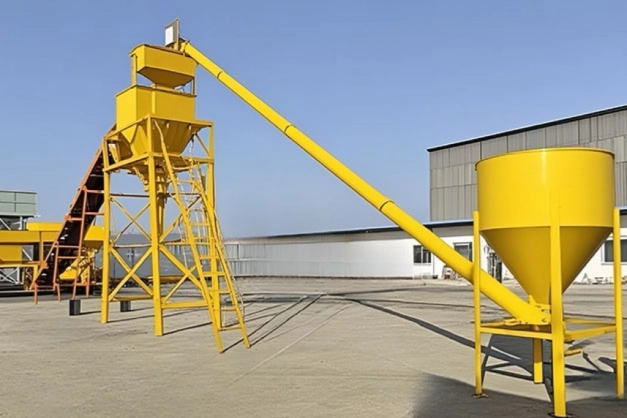
Planta de Hormigón de Mezcla Seca
Capacidad: 25 – 100 m³/h (Modelos: Serie HZS-G)
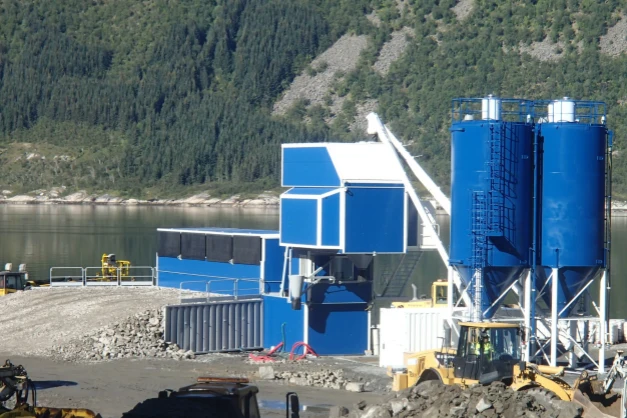
Planta de Hormigón Compacta
Capacidad: 60 – 180 m³/h (Modelos: Serie HZS-C) 25 – 75 m³/h (Modelos: Serie FHZS)
Planta de Hormigón Estacionaria
Capacidad: 25 – 240 m³/h (Modelos: Serie HZS)
Planta de Hormigón Móvil
Capacidad: 25 – 90 m³/h (Modelos: Serie YHZS)
Planta de Hormigón de Mezcla Seca
Capacidad: 25 – 100 m³/h (Modelos: Serie HZS-G)
Planta de Hormigón Compacta
Capacidad: 60 – 180 m³/h (Modelos: Serie HZS-C) 25 – 75 m³/h (Modelos: Serie FHZS)