Precio de la Planta de Hormigón – ¿Cuánto Cuesta Realmente en 2026?
Al planificar tu próximo proyecto de construcción o negocio de hormigón premezclado comercial, la primera y más crítica pregunta que harás es: “¿Cuál es el precio exacto de la planta de hormigón?”
Una búsqueda rápida en línea podría mostrarte cifras que van desde $20,000 hasta más de $210,000 USD. Esta enorme brecha no es un error—refleja las vastas diferencias en capacidad de producción, tipo de equipo y niveles de automatización en toda la industria.
Creemos en precios transparentes. Aunque cada planta que fabricamos está diseñada según tus requisitos específicos, comprender el precio base de una planta de hormigón es crucial para tu presupuesto inicial.
Según un informe autorizado, se espera que el tamaño del mercado global de hormigón premezclado aumente de $1.4425 mil millones en 2024 a $2.201 mil millones en 2026. Esto significa que toda la industria enfrentará una demanda creciente en los próximos años, especialmente de países en desarrollo. Así que aprovecha esta gran oportunidad para comprar plantas de hormigón a precios competitivos.
Aquí tienes una visión realista de los FOB (Franco a Bordo) rangos de precios de equipo que puedes esperar al asociarte con un fabricante de primer nivel:
- Precio de Planta de Hormigón Mini y Pequeña (25m³/h – 50m³/h):
Generalmente oscila entre $15,000 y $45,000 USD. Estas unidades altamente asequibles son perfectas para desarrollo rural, pequeños contratistas o reparaciones temporales de carreteras donde no se necesita una producción masiva. - Plantas Comerciales de Capacidad Media (60m³/h – 90m³/h):
Espera pagar entre $45,000 y $80,000 USD. Este es el “punto óptimo” para proveedores de hormigón premezclado de tamaño mediano que buscan un excelente equilibrio entre costo y producción continua y confiable. - Precio de Planta de Hormigón Premezclado de Alta Capacidad (120m³/h – 240m³/h+):
Para mega proyectos de infraestructura o negocios comerciales de RMC a gran escala, las plantas de alta capacidad generalmente comienzan desde $90,000 USD y pueden superar $200,000 USD dependiendo de configuraciones avanzadas como mezcladores dobles, silos adicionales o revestimiento para clima extremo.
Nota Importante: Las cifras anteriores representan el precio base de la maquinaria .. Si buscas la inversión total requerida para construir una instalación completamente operativa (incluyendo terreno, obras civiles y flotas auxiliares), por favor lee nuestra guía completa sobre [Costos de Instalación de Planta de Hormigón Premezclado].
Lista de Precios de Planta de Hormigón: ¿Qué Modelo se Adapta a Tu Proyecto?
Aquí tienes una visión general del precio de la planta de hormigón para diferentes modelos como referencia:
Alimentación por skip-hopper, altamente rentable, huella compacta.
(Cinta transportadora).
Cinta transportadora inclinada, mezcladora de doble eje de alta resistencia, PLC totalmente automatizado, producción continua de alto volumen.
Tipo Móvil.
Pre-cableado en un chasis remolcable, despliegue rápido, sin cimientos civiles requeridos.
Tipo de Mezcla Seca.
Sin mezcladora central, mantenimiento extremadamente bajo, dosificado rápido directamente en camiones mezcladores.
(Sin Cimientos).
Diseño modular, instalado en terreno precompactado, ahorros significativos en obras civiles.
(Containerizado).
Construido en contenedores estándar de 40HQ, costo de envío internacional más bajo, estructura cerrada sin polvo.
Construido en contenedores estándar de 40HQ, costo de envío internacional más bajo, estructura cerrada con cero polvo.
Plantas de Hormigón en Venta: Lista de Precios 2026 por Tipo
El precio de una planta de hormigón está fuertemente determinado por su diseño estructural y movilidad. Una instalación diseñada para una fábrica de prefabricados permanente tendrá una estructura de costos muy diferente a una diseñada para construcción temporal de carreteras.
Si buscas una planta de hormigón confiable en venta, aquí tienes un desglose de lo que puedes esperar invertir en el mercado actual de 2026:
Precio de Planta de Hormigón Estacionaria ($25,000 – $210,000+)
- La Inversión: Las plantas estacionarias son caballos de batalla de alta resistencia. El precio base de la maquinaria es altamente competitivo, comenzando alrededor de $25,000 para un sistema de 60m³/h. Sin embargo, el límite superior puede exceder fácilmente $250,000 para centros comerciales masivos de 210m³/h con mezclador doble y envolventes ambientales avanzadas.
- Por Qué Comprarlo: Ofrecen el menor costo por metro cúbico durante una década de uso continuo. Si estás construyendo un negocio comercial permanente de RMC, esta es tu opción más rentable a largo plazo.
Precio de Planta de Hormigón Móvil ($35,000 – $120,000)
- La Inversión: El precio inicial de la planta de hormigón móvil es típicamente 15% a 30% más alto que una planta estacionaria de la misma capacidad exacta. Por ejemplo, una unidad móvil YHZS60 (60m³/h) muy popular generalmente cuesta entre $60,000 y $85,000.
- Por Qué Comprarlo: Estás pagando una prima por agilidad. Debido a que todos los componentes están precableados en un chasis remolcable, ahorras decenas de miles de dólares en cimentaciones civiles profundas de hormigón y reduces significativamente el tiempo de instalación de semanas a días. Es una elección de fuerte ROI para contratistas a corto plazo.
Precio de Planta de Hormigón Pequeña y Mini ($15,000 – $45,000)
- La Inversión: Si tu proyecto requiere 25m³/h a 35m³/h, un precio de planta de hormigón pequeña es extremadamente económico. Estas a menudo utilizan un sistema de carga simple de skip-hoist (cangilón) en lugar de una larga y costosa cinta transportadora.
- Por Qué Comprarlo: Perfecto para desarrollo rural, pequeños proyectos de vivienda o mercados emergentes donde el terreno es limitado y no hay capital inicial masivo disponible.
The following are the specific parameters of our Planta de hormigón estacionaria (tolva de salto y cinta transportadora), planta de hormigón móvil, planta de dosificación de concreto seco y planta de dosificación de concreto compacta (sin cimientos y contenerizada). Tenemos 6 tipos de plantas de hormigón. Si estás interesado en plantas de hormigón que entregamos, puedes leer Planta de hormigón to find your desired product.
Mobile vs. Stationary Type: Bajo la misma capacidad, el precio de la planta de hormigón tipo móvil es generalmente más alto que el de las estacionarias porque su portabilidad y flexibilidad permiten una fácil reubicación y adaptabilidad a varios sitios de proyecto. La movilidad viene con ingeniería avanzada y características que facilitan una instalación y operación rápidas, lo que justifica el costo más alto.
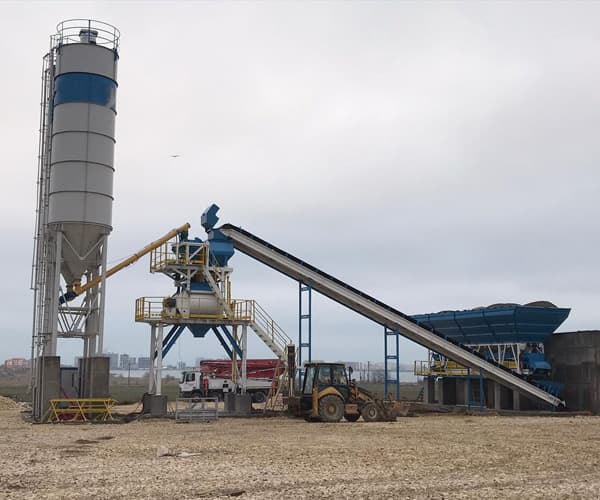
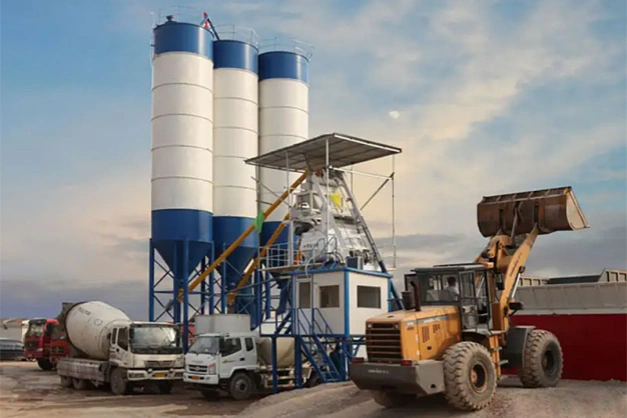
Planta de Hormigón Estacionaria
La Columna Vertebral de los Mega-Proyectos.
Capacidad: 25 – 240 m³/h (Modelos: Serie HZS)
Diseñadas para infraestructuras masivas y a largo plazo, así como para operaciones comerciales de hormigón preparado. Disponibles tanto en diseños de Tolva de Salto que ahorran espacio como en configuraciones de Cinta Transportadora de alta capacidad para adaptarse perfectamente a la distribución de su sitio.
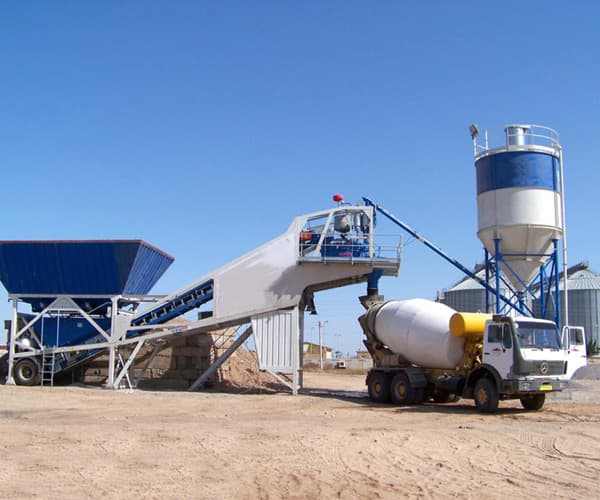
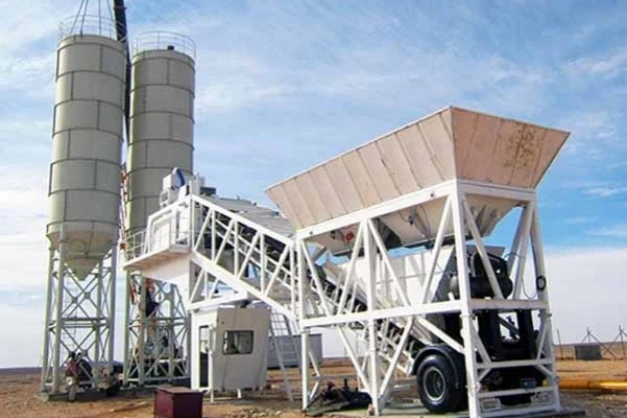
Planta de Hormigón Móvil
Altas Tasas de Producción, Donde las Necesite.
Capacidad: 25 – 120 m³/h (Modelos: Serie YHZS)
Diseñadas para máxima movilidad. Todos los componentes principales están precableados en un chasis transportable, lo que permite un montaje y reubicación rápidos sin necesidad de trabajos de cimentación civil.
Wet Mix vs. Dry Mix Type: The wet concrete mix plant price is higher due to the need for more complex equipment that facilitates the thorough mixing of water and additives directly into the concrete before it is dispatched. This process requires additional machinery, such as concrete mixers and water dosing systems, which contribute to the overall expense.
Dry mix plants, while generally less costly, may not offer the same level of consistency and control over the concrete mixing process. Thus, if you do not have demands for high-quality concrete, the dry mix plants would be a preferred choice.
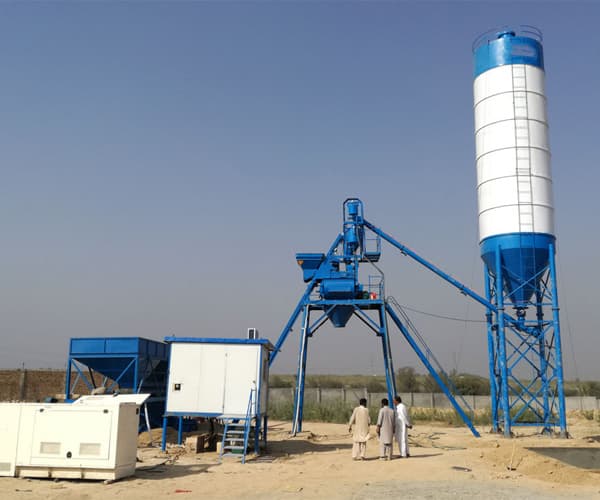
Planta de Hormigón Húmedo
Homogeneidad Perfecta de Principio a Fin.
Capacidad: 25 – 240 m³/h (Modelos: Serie HZS)
Equipadas con mezcladores centrales de doble eje o planetarios de alta resistencia. Estas plantas garantizan hormigón de alta resistencia perfectamente mezclado antes de la descarga, esencial para elementos prefabricados e infraestructura con especificaciones estrictas.
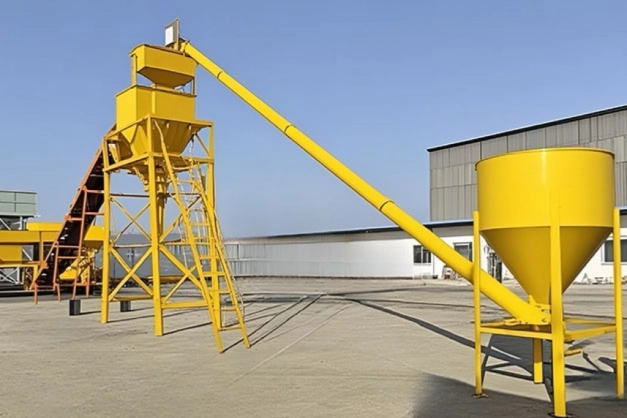
Planta de Hormigón de Mezcla Seca
Versátil, Rápida y Altamente Rentable.
Capacidad: 25 – 100 m³/h (Modelos: Serie HZS-G)
Para proyectos donde el hormigón se mezcla en el camión hormigonera. Sin mezclador central, estas plantas ofrecen ciclos de dosificación rápidos, mantenimiento extremadamente bajo y un alto volumen de producción para transporte de larga distancia.
Compact Type: Las plantas de hormigón de tipo compacto presentan otra opción rentable para necesidades específicas. Están diseñadas para ocupar un espacio mínimo mientras aún proporcionan capacidades de producción eficientes. Su diseño compacto reduce la necesidad de cimientos extensos y obras civiles, lo que reduce los costos de instalación.
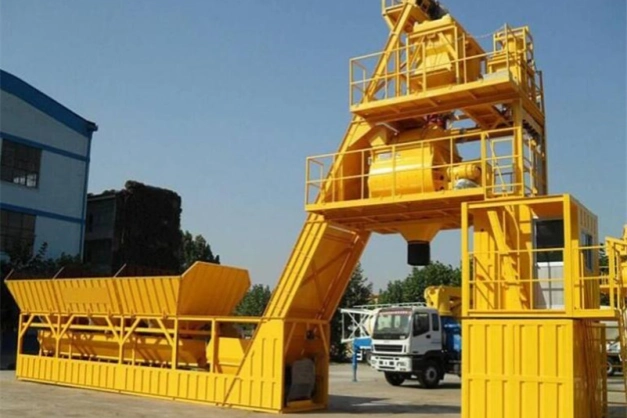
Planta de Hormigón Sin Cimentación
Una Huella Pequeña Diseñada para Grandes Negocios.
Capacidad: 25 – 75 m³/h (Modelos: Serie FHZS)
Integrando diseños contenerizados y sin cimentación, nuestras plantas compactas están optimizadas para espacios limitados y envíos internacionales económicos, mientras ofrecen un rendimiento de mezcla de última generación.
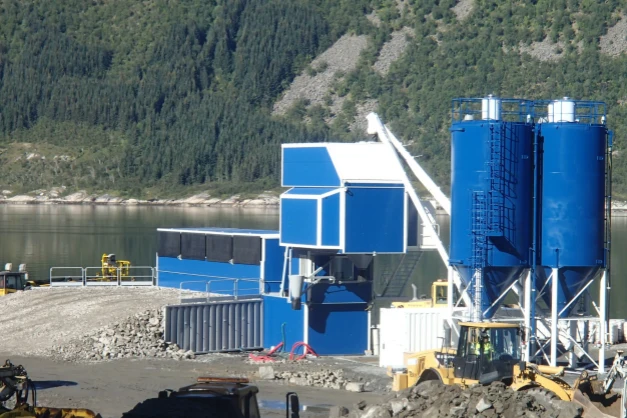
Planta de Hormigón Contenerizada
Una Huella Pequeña Diseñada para Grandes Negocios.
Capacidad: 60 – 180 m³/h (Modelos: Serie HZS-C)
Integrando diseños contenerizados y sin cimentación, nuestras plantas compactas están optimizadas para espacios limitados y envíos internacionales económicos, mientras ofrecen un rendimiento de mezcla de última generación.
Factores Clave que Determinan el Precio de la Planta de Hormigón
Al comparar cotizaciones de diferentes proveedores, podrías notar una diferencia de $10,000 a $30,000 para plantas con la misma capacidad teórica exacta (ej., 60m³/h). ¿Por qué varía tanto el precio de la planta de hormigón?
El costo final nunca se trata solo del acero bruto. Está determinado por la calidad de fabricación, la complejidad de la configuración y la confiabilidad a largo plazo integrada en el sistema. Conocer estos factores te ayudará a seleccionar el equipo adecuado sin gastar de más:
Materias Primas y Proceso de Fabricación
La estructura principal de una planta de hormigón depende en gran medida del acero industrial. Por lo tanto, los costos globales del acero impactan directamente el precio del equipo. Sin embargo, lo que realmente separa una planta premium de una barata es la complejidad de fabricación.
- Nuestra Diferencia: Procesos avanzados como soldadura CNC de precisión, placas de acero gruesas resistentes al desgaste y rigurosos tratamientos de granallado con doble epoxi anticorrosivo aumentan los costos de producción pero mejoran drásticamente la durabilidad y vida útil de tu planta.
Nivel de Automatización
Aunque los sistemas de control totalmente automáticos representan una inversión inicial más alta en tu costo de planta de hormigón, son el multiplicador de ROI definitivo.
- El Factor ROI: Actualizar a un sistema PLC de primer nivel (como Siemens o Schneider) agiliza las operaciones, minimiza el error humano y puede reducir significativamente los costos laborales a largo plazo. Una planta manual o semiautomática es más barata inicialmente, pero mucho más costosa de operar con el tiempo.
Configuración Principal: Mezcladoras y Tolvas de Agregados
Los componentes específicos que elija determinan directamente las capacidades de su planta y su precio final.
- Tipo de Mezcladora: Las mezcladoras estándar de doble eje son caballos de batalla rentables. Actualizar a una mezcladora planetaria de alta intensidad (requerida para concreto prefabricado de asentamiento cero) requiere un presupuesto más alto.
- Dosificador de Agregados: Una configuración estándar de 2 o 3 tolvas es asequible. Si su proyecto requiere diseños de mezcla complejos que necesiten de 4 a 6 tolvas de agregados separadas, el precio aumentará debido al acero adicional, compuertas neumáticas y celdas de carga de alta precisión.
Personalizaciones Adicionales y Mejoras Ecológicas
La construcción moderna a menudo exige el cumplimiento estricto de las regulaciones ambientales.
- Complementos que afectan el precio: Agregar sistemas de recolección de polvo por chorro de pulso para cero emisiones, instalar aire acondicionado en la sala de control, o añadir sistemas especializados de dosificación de hielo/microsílice aumentará naturalmente el precio final de la planta de mezcla de concreto.
Reputación de la Marca y Soporte Postventa
Fabricantes de renombre como nosotros a menudo cobran una prima justa sobre talleres locales desconocidos. ¿Por qué? Porque está comprando tranquilidad.
- El Valor Oculto: Un precio inicial ligeramente más alto incluye un historial comprobado, garantías integrales, acceso rápido a repuestos originales y acceso a ingenieros técnicos para orientación en la instalación in situ y capacitación.
Más Allá del Precio de la Máquina – Otros Costos a Considerar
Si bien el precio inicial de la planta de mezcla de concreto cubre el equipo de fabricación principal (como se detalló anteriormente), operar un negocio de concreto exitoso implica una planificación financiera más amplia. Similar a establecer cualquier instalación industrial importante, su presupuesto total debe considerar los gastos operativos y de instalación.
Si está calculando su inversión total, tenga en cuenta estas cuatro categorías esenciales:
- Escala del Área de Cobertura y Obras Civiles:
La huella física de su planta es importante. Una planta móvil compacta casi no requiere cimentación, ahorrándole capital inicial. Sin embargo, una planta estacionaria grande requiere alquilar o comprar un terreno sustancial e invertir fuertemente en cimientos de concreto robustos antes de que se pueda erigir la maquinaria. - Materias Primas:
El gasto continuo más alto en la producción de concreto no es la máquina, sino el consumo diario de cemento, arena, grava y aditivos químicos. (Esta es precisamente la razón por la cual invertir en una planta totalmente automatizada de mayor precio con una precisión de pesaje de ±1% nosotros le ahorra enormes cantidades de dinero a largo plazo). - Mano de Obra Operativa y Flota:
Si bien un sistema PLC premium reduce el personal de la sala de control, operar una planta comercial aún requiere un conductor de cargador calificado, técnicos de mantenimiento y una flota de camiones mezcladores de tránsito o bombas de concreto para entregar su producto. - Electricidad, Agua y Mantenimiento:
Las mezcladoras de doble eje de servicio pesado consumen una cantidad significativa de energía industrial y agua. Además, debe presupuestar piezas de mantenimiento rutinario como paletas mezcladoras, revestimientos y bandas transportadoras para evitar costosos tiempos de inactividad.
¿Quiere ver un desglose detallado de estos gastos operativos?
Sumérjase en nuestra guía integral para inversores: [Costo de Instalación de Planta de Concreto Premezclado y Cálculo de ROI].
Comprensión de los Precios FOB, CIF y de Envío
Cuando recibe una cotización de precio de planta de dosificación de concreto de un fabricante global como nosotros, es esencial entender exactamente qué está incluido. Las ventas internacionales de maquinaria suelen utilizar términos comerciales estándar (Incoterms) que dictan quién cubre los costos de envío y seguro.
Así es como debe leer su cotización para evitar sorpresas ocultas:
El Costo Base de la Máquina: Precio FOB
- Lo que significa: “Franco a Bordo.” El precio que ve cotizado en línea o en nuestras propuestas iniciales suele ser el precio FOB. Esto cubre la fabricación de la planta y su transporte al puerto de salida designado en China (por ejemplo, Qingdao o Shanghái).
- Lo que NO está incluido: Flete marítimo a través del mundo, seguro marítimo y derechos de importación en su país de origen.
El Costo Entregado: Precio CIF
- Lo que significa: “Costo, Seguro y Flete.” Si solicita una cotización CIF, nosotros nos encargamos de todo hasta que la planta llegue a su puerto de destino (por ejemplo, Mombasa, Manila o Sídney).
- Por qué elegir CIF: Proporciona tranquilidad. Usted sabe exactamente cuánto costará la planta para llegar a sus costas, protegiéndolo de picos repentinos en las tarifas de flete marítimo. Nuestro experimentado equipo de logística negocia las mejores tarifas de contenedores en su nombre.
Cómo Optimizamos Su Precio de Envío
- El flete marítimo para maquinaria pesada puede ser increíblemente caro si no está diseñado correctamente. Una planta mal diseñada podría requerir cinco contenedores High Cube de 40 pies (40HQ), añadiendo instantáneamente miles de dólares a su costo final de planta de concreto.
Diseñamos para un impacto logístico mínimo:
- Modularidad en Contenedores: Diseñamos nuestras plantas estacionarias y compactas para que quepan perfectamente en contenedores estándar de 40HQ. Nuestros silos de cemento atornillados (en lugar de los completamente soldados) ahorran una enorme cantidad de volumen de envío, reduciendo significativamente su precio final de llegada.
- Cero Piezas Faltantes: Cada componente se preensambla, prueba y empaqueta meticulosamente en nuestra fábrica. Esto garantiza la máxima utilización del contenedor y asegura que nada se pierda en tránsito.
¿Necesita un costo de entrega preciso para su país?
Contáctenos con su capacidad objetivo y puerto de destino. Nuestro equipo de logística le proporcionará una cotización CIF integral en un plazo de 24 horas. obtener cotización CIF ahora.
Todo inversor quiere el mejor trato posible. Sin embargo, buscar ciegamente el precio más bajo de planta de concreto generalmente resulta en comprar equipos inferiores y propensos a averías. Para ahorrar dinero realmente sin comprometer la calidad, siga estas estrategias de compra inteligentes:
Dimensionamiento Correcto de su Capacidad y Configuración
Ajuste el tamaño de su capacidad y configuración
No sobredimensione su planta. Evalúe su volumen diario exacto de concreto y el tipo específico de mezcla que necesita.
- El truco para ahorrar: Si su proyecto solo requiere 60m³/h, comprar una planta de 120m³/h desperdicia capital. Del mismo modo, si solo produce concreto comercial estándar (C20-C40), una robusta mezcladora de doble eje es altamente rentable; no es necesario gastar de más en una mezcladora planetaria de alta gama a menos que esté fabricando elementos prefabricados con especificaciones estrictas.
Negocie el “valor empaquetado” en lugar de solo el precio
Al comparar cotizaciones de diferentes fabricantes, no mire solo el resultado final. Mire lo que está incluido.
- El truco para ahorrar: En lugar de regatear agresivamente el precio del acero, negocie servicios empaquetados que le ahorrarán dinero más adelante. Por ejemplo, nuestras cotizaciones premium incluyen automáticamente un Kit de Inicio de Piezas de Repuesto y soporte de puesta en marcha remota. Esto le ahorra miles de dólares en mantenimiento temprano y elimina el dolor de cabeza de buscar piezas faltantes localmente.
Invierta en automatización para reducir los costos laborales
Una planta semimanual y barata puede parecer una gran oferta sobre el papel, pero aumentará sus costos operativos mensuales a través de la nómina y el desperdicio de material.
- El truco para ahorrar: Gastar un poco más por adelantado en un sistema PLC totalmente automatizado y de primer nivel (como Siemens o Schneider) es la forma definitiva de ahorrar dinero. Agiliza las operaciones, previene errores del operador y puede reducir sus costos laborales a largo plazo hasta en un 60%, acelerando significativamente el ROI de su planta.
Planifique el crecimiento con diseños modulares
Si su presupuesto inicial es ajustado, no se fuerce a comprar una planta sobredimensionada que sobrecargue sus finanzas.
- El truco para ahorrar: Invierta en una planta de dosificación modular que diseñamos. Puede comenzar con una configuración básica (por ejemplo, una mezcladora de doble eje de 60m³/h con dos silos de cemento) para minimizar su costo inicial de planta de concreto. A medida que su negocio crezca y gane contratos más grandes, nuestro diseño modular le permite agregar fácilmente silos adicionales, expandir tolvas de agregados o integrar sistemas de enfriamiento avanzados más adelante, sin tener que comprar una planta completamente nueva.
Precio de planta de concreto nueva vs. usada – ¿Cuál es la mejor inversión?
Al trabajar con un presupuesto ajustado, buscar una “planta de dosificación de concreto usada en venta” cerca de usted puede parecer la decisión financiera más inteligente. Sin embargo, comparar el precio inicial de una planta de concreto usada contra una planta nueva e importada nuestra a menudo revela una realidad sorprendente sobre la rentabilidad a largo plazo.
Antes de comprar equipo de segunda mano, considere estos costos ocultos y riesgos operativos:
La ilusión de un precio inicial más bajo
- La trampa: Una planta usada de un contratista local o subasta puede tener un precio atractivo. Sin embargo, está heredando la maquinaria muy desgastada de otra persona.
- Nuestra realidad: Gracias a nuestra escala de fabricación masiva y cadena de suministro optimizada, el precio FOB de una planta de dosificación de concreto nueva (con automatización moderna y cero desgaste) nuestra es altamente competitivo a nivel global. A menudo, importar una planta nueva y altamente eficiente de nuestra fábrica cuesta sorprendentemente cerca—o incluso menos—que una planta reacondicionada de décadas de antigüedad en mercados como Australia, el Reino Unido o América del Norte.
Pesadillas de mantenimiento vs. tranquilidad de garantía
- La trampa: Las plantas usadas se venden “tal cual”, sin garantía. Reemplazar un eje de mezcladora agrietado o un panel de control obsoleto y quemado eliminará instantáneamente el dinero que ahorró en el precio de compra. Encontrar piezas de repuesto para modelos obsoletos es increíblemente difícil y costoso.
- Nuestra Realidad: Cada una de nuestras plantas nuevas viene con una garantía integral del fabricante. Más importante aún, enviamos su planta con un paquete completo de piezas de repuesto genuinas (revestimientos, cuchillas, válvulas neumáticas). Obtiene fiabilidad garantizada y una vida útil de 10 a 15 años desde el primer momento, con soporte técnico 24/7 de nuestros ingenieros.
Eficiencia de producción y tecnología
- La trampa: Las plantas más antiguas utilizan sistemas de pesaje obsoletos e inexactos y controles manuales lentos. Desperdiciará toneladas de cemento debido a la mala precisión de dosificación (por ejemplo, márgenes de error de ±3%).
- Nuestra Realidad: Nuestras plantas nuevas cuentan con PLC Siemens/Schneider de última generación con compensación dinámica de humedad y estricta precisión de pesaje de ±1%. Solo los ahorros de material de una planta altamente automatizada nuestra generarán fuertes ahorros de material a largo plazo.
El resultado final
Si bien una planta usada puede parecer más barata hoy, las averías continuas, el software obsoleto y el desperdicio excesivo de material la convierten en una inversión arriesgada. Al elegir una planta de concreto nueva en venta de nosotros, obtiene tecnología de punta, tiempo de actividad garantizado y soporte de garantía global—generando un ROI significativamente mayor para su negocio.
Reduzca el riesgo de su proyecto con maquinaria de segunda mano.
¡Contáctenos hoy para ver cuán asequible puede ser una planta de dosificación nueva y de alto rendimiento para su región!
Tendencias de precios de plantas de dosificación de concreto (Perspectiva 2026-2027)
Comprender cómo está evolucionando el precio de la planta de dosificación de concreto a nivel global es crucial para realizar inversiones oportunas y rentables. Si planea comprar una planta en los próximos 12 a 18 meses, aquí están las tendencias macroeconómicas clave que están dando forma al mercado:
La volatilidad de las materias primas exige acción temprana
- La tendencia: El acero constituye más del 40% de los componentes mecánicos en una planta de dosificación. En los últimos dos años, los precios globales del acero y los componentes electrónicos han sido altamente volátiles.
- El impacto en el precio: Si los costos de materiales se mantienen elevados, los analistas de la industria esperan que los precios base de las plantas aumenten aproximadamente un 4% a 7% anual.
- Nuestra Consejo: Retrasar su compra probablemente le costará más. Recomendamos encarecidamente asegurar un contrato de precio fijo con nosotros temprano en la fase de planificación de su proyecto para mitigar las fluctuaciones de costos futuras.
El cambio hacia configuraciones energéticamente eficientes
- La tendencia: A medida que los costos energéticos globales se disparan, los contratistas se están alejando de los motores estándar y exigiendo plantas de alta eficiencia.
- El impacto en el precio: Equipar su planta con motores VFD (Variador de Frecuencia), mezcladoras planetarias de bajo consumo y silos completamente aislados agrega aproximadamente un 8% a 12% al precio de compra inicial. Sin embargo, esta actualización ecológica puede reducir sus costos operativos anuales de electricidad hasta en un 15%, amortizándose rápidamente en operaciones intensivas en energía.
Primas de Cumplimiento Regional
- La tendencia: El país de destino determina en gran medida la configuración final y el costo del equipo.
- El impacto en el precio: Si está importando una planta a mercados estrictamente regulados y avanzados como Australia, Europa o América del Norte, espere una prima de precio del 10% al 15%. Esto se debe a que la planta debe actualizarse con componentes eléctricos con certificación CE, colectores de polvo de chorro pulsante activo y cerramientos de seguridad avanzados para cumplir con las leyes ambientales locales.
- Nuestra Consejo: Ya contamos con certificaciones completas CE, ISO y SGS. Construimos plantas que cumplen con las normativas para estas regiones avanzadas a diario, asegurando que nunca enfrente rechazos aduaneros o paradas en el sitio.
Por Qué Asociarse con CCS Garantiza el Mejor Precio y Valor de Planta de Concreto
Encontrar el precio más bajo de planta de dosificación de concreto en internet es fácil. Pero encontrar un fabricante confiable, con certificación internacional, que ofrezca calidad sin compromisos, precios transparentes y rentabilidad a largo plazo es el verdadero desafío.
Como fabricante profesional con más de 32 años de experiencia global, CCS se ha ganado la confianza de contratistas de primer nivel en mercados exigentes como el Sudeste Asiático, Medio Oriente, África y Australia. Así es como maximizamos su inversión:
- Precio Directo de Fábrica sin Cargos Ocultos:
No somos intermediarios. Está comprando directamente desde nuestra instalación de fabricación de última generación. Cada cotización que proporcionamos está completamente detallada y es transparente. Sabrá exactamente por qué está pagando: la maquinaria principal, las actualizaciones opcionales y los costos de envío a su puerto local. - Soluciones Personalizadas para Evitar el Gasto Excesivo:
Cada proyecto es único. Nuestros ingenieros nunca lo presionarán para comprar una planta sobredimensionada. Trabajamos estrechamente con usted para diseñar una configuración a medida—ya sea una unidad móvil compacta o una planta estacionaria masiva de doble mezclador—que se alinee perfectamente con sus necesidades reales de producción y limitaciones presupuestarias. - Soporte Global Llave en Mano:
El precio indicado es solo el comienzo. Protegemos su inversión enviando técnicos expertos a su sitio para la guía de cimentación, instalación del equipo y capacitación del operador. Combinado con nuestro diagnóstico remoto PLC 24/7 y suministro rápido de repuestos, aseguramos que su planta respalde una operación confiable a largo plazo.
Al planificar tu próximo proyecto de construcción o negocio de hormigón premezclado comercial, la primera y más crítica pregunta que harás es: “¿Cuál es el precio exacto de la planta de hormigón?”
Una búsqueda rápida en línea podría mostrarte cifras que van desde $20,000 hasta más de $210,000 USD. Esta enorme brecha no es un error—refleja las vastas diferencias en capacidad de producción, tipo de equipo y niveles de automatización en toda la industria.
Creemos en precios transparentes. Aunque cada planta que fabricamos está diseñada según tus requisitos específicos, comprender el precio base de una planta de hormigón es crucial para tu presupuesto inicial.
Según un informe autorizado, se espera que el tamaño del mercado global de hormigón premezclado aumente de $1.4425 mil millones en 2024 a $2.201 mil millones en 2026. Esto significa que toda la industria enfrentará una demanda creciente en los próximos años, especialmente de países en desarrollo. Así que aprovecha esta gran oportunidad para comprar plantas de hormigón a precios competitivos.
Aquí tienes una visión realista de los FOB (Franco a Bordo) rangos de precios de equipo que puedes esperar al asociarte con un fabricante de primer nivel:
- Precio de Planta de Hormigón Mini y Pequeña (25m³/h – 50m³/h):
Generalmente oscila entre $15,000 y $45,000 USD. Estas unidades altamente asequibles son perfectas para desarrollo rural, pequeños contratistas o reparaciones temporales de carreteras donde no se necesita una producción masiva. - Plantas Comerciales de Capacidad Media (60m³/h – 90m³/h):
Espera pagar entre $45,000 y $80,000 USD. Este es el “punto óptimo” para proveedores de hormigón premezclado de tamaño mediano que buscan un excelente equilibrio entre costo y producción continua y confiable. - Precio de Planta de Hormigón Premezclado de Alta Capacidad (120m³/h – 240m³/h+):
Para mega-proyectos de infraestructura o grandes negocios comerciales de RMC, las plantas de alta capacidad generalmente comienzan desde $90,000 USD y pueden superar $200,000 USD dependiendo de configuraciones avanzadas como mezcladores dobles, silos adicionales o revestimiento para clima extremo. Entre estas, la 120 m³/h (HZS120) es el punto de entrada más popular a la producción comercial, con precios que típicamente oscilan entre $90,000 y $160,000 USD — consulte nuestra guía completa de precios de plantas de hormigón HZS120 → para especificaciones detalladas, planes de carga en contenedores y análisis de ROI. Para los proyectos más grandes, la HZS240 ofrece la máxima producción para un suministro continuo a megaescala.
Nota Importante: Las cifras anteriores representan el precio base de la maquinaria .. Si buscas la inversión total requerida para construir una instalación completamente operativa (incluyendo terreno, obras civiles y flotas auxiliares), por favor lee nuestra guía completa sobre [Costos de Instalación de Planta de Hormigón Premezclado].
Lista de Precios de Planta de Hormigón: ¿Qué Modelo se Adapta a Tu Proyecto?
Aquí está la descripción general del precio de la planta de hormigón para diferentes modelos como referencia:
Alimentación por skip-hopper, altamente rentable, huella compacta.
(Cinta transportadora).
Cinta transportadora inclinada, mezcladora de doble eje de alta resistencia, PLC totalmente automatizado, producción continua de alto volumen.
Tipo Móvil.
Pre-cableado en un chasis remolcable, despliegue rápido, sin cimientos civiles requeridos.
Tipo de Mezcla Seca.
Sin mezcladora central, mantenimiento extremadamente bajo, dosificado rápido directamente en camiones mezcladores.
(Sin Cimientos).
Diseño modular, instalado en terreno precompactado, ahorros significativos en obras civiles.
(Containerizado).
Construido en contenedores estándar de 40HQ, costo de envío internacional más bajo, estructura cerrada sin polvo.
Construido en contenedores estándar de 40HQ, costo de envío internacional más bajo, estructura cerrada con cero polvo.
Planta de Dosificación de Concreto en Venta: Lista de Precios 2026 por Tipo
El precio de una planta de hormigón está fuertemente determinado por su diseño estructural y movilidad. Una instalación diseñada para una fábrica de prefabricados permanente tendrá una estructura de costos muy diferente a una diseñada para construcción temporal de carreteras.
Si buscas una planta de hormigón confiable en venta, aquí tienes un desglose de lo que puedes esperar invertir en el mercado actual de 2026:
Precio de Planta de Hormigón Estacionaria ($25,000 – $210,000+)
- La Inversión: Las plantas estacionarias son caballos de batalla de alta resistencia. El precio base de la maquinaria es altamente competitivo, comenzando alrededor de $25,000 para un sistema de 60m³/h. Sin embargo, el límite superior puede exceder fácilmente $250,000 para centros comerciales masivos de 210m³/h con mezclador doble y envolventes ambientales avanzadas.
- Por Qué Comprarlo: Ofrecen el menor costo por metro cúbico durante una década de uso continuo. Si estás construyendo un negocio comercial permanente de RMC, esta es tu opción más rentable a largo plazo.
Precio de Planta de Hormigón Móvil ($35,000 – $120,000)
- La Inversión: El precio inicial de la planta de hormigón móvil es típicamente 15% a 30% más alto que una planta estacionaria de la misma capacidad exacta. Por ejemplo, una unidad móvil YHZS60 (60m³/h) muy popular generalmente cuesta entre $60,000 y $85,000.
- Por Qué Comprarlo: Estás pagando una prima por agilidad. Debido a que todos los componentes están precableados en un chasis remolcable, ahorras decenas de miles de dólares en cimentaciones civiles profundas de hormigón y reduces significativamente el tiempo de instalación de semanas a días. Es una elección de fuerte ROI para contratistas a corto plazo.
Precio de Planta de Hormigón Pequeña y Mini ($15,000 – $45,000)
- La Inversión: Si tu proyecto requiere 25m³/h a 35m³/h, un precio de planta de hormigón pequeña es extremadamente económico. Estas a menudo utilizan un sistema de carga simple de skip-hoist (cangilón) en lugar de una larga y costosa cinta transportadora.
- Por Qué Comprarlo: Perfecto para desarrollo rural, pequeños proyectos de vivienda o mercados emergentes donde el terreno es limitado y no hay capital inicial masivo disponible.
The following are the specific parameters of our Planta de hormigón estacionaria (tolva de salto y cinta transportadora), planta de hormigón móvil, planta de dosificación de concreto seco y planta de dosificación de concreto compacta (sin cimientos y contenerizada). Tenemos 6 tipos de plantas de hormigón. Si estás interesado en plantas de hormigón que entregamos, puedes leer Planta de hormigón to find your desired product.
Mobile vs. Stationary Type: Bajo la misma capacidad, el precio de la planta de hormigón tipo móvil es generalmente más alto que el de las estacionarias porque su portabilidad y flexibilidad permiten una fácil reubicación y adaptabilidad a varios sitios de proyecto. La movilidad viene con ingeniería avanzada y características que facilitan una instalación y operación rápidas, lo que justifica el costo más alto.
Planta de Hormigón Estacionaria
La Columna Vertebral de los Mega-Proyectos.
Capacidad: 25 – 240 m³/h (Modelos: Serie HZS)
Diseñadas para infraestructuras masivas y a largo plazo, así como para operaciones comerciales de hormigón preparado. Disponibles tanto en diseños de Tolva de Salto que ahorran espacio como en configuraciones de Cinta Transportadora de alta capacidad para adaptarse perfectamente a la distribución de su sitio.
Planta de Hormigón Móvil
Altas Tasas de Producción, Donde las Necesite.
Capacidad: 25 – 120 m³/h (Modelos: Serie YHZS)
Diseñadas para máxima movilidad. Todos los componentes principales están precableados en un chasis transportable, lo que permite un montaje y reubicación rápidos sin necesidad de trabajos de cimentación civil.
Wet Mix vs. Dry Mix Type: The wet concrete mix plant price is higher due to the need for more complex equipment that facilitates the thorough mixing of water and additives directly into the concrete before it is dispatched. This process requires additional machinery, such as concrete mixers and water dosing systems, which contribute to the overall expense.
Dry mix plants, while generally less costly, may not offer the same level of consistency and control over the concrete mixing process. Thus, if you do not have demands for high-quality concrete, the dry mix plants would be a preferred choice.
Planta de Hormigón Húmedo
Homogeneidad Perfecta de Principio a Fin.
Capacidad: 25 – 240 m³/h (Modelos: Serie HZS)
Equipadas con mezcladores centrales de doble eje o planetarios de alta resistencia. Estas plantas garantizan hormigón de alta resistencia perfectamente mezclado antes de la descarga, esencial para elementos prefabricados e infraestructura con especificaciones estrictas.
Planta de Hormigón de Mezcla Seca
Versátil, Rápida y Altamente Rentable.
Capacidad: 25 – 100 m³/h (Modelos: Serie HZS-G)
Para proyectos donde el hormigón se mezcla en el camión hormigonera. Sin mezclador central, estas plantas ofrecen ciclos de dosificación rápidos, mantenimiento extremadamente bajo y un alto volumen de producción para transporte de larga distancia.
Compact Type: Las plantas de hormigón de tipo compacto presentan otra opción rentable para necesidades específicas. Están diseñadas para ocupar un espacio mínimo mientras aún proporcionan capacidades de producción eficientes. Su diseño compacto reduce la necesidad de cimientos extensos y obras civiles, lo que reduce los costos de instalación.
Planta de Hormigón Sin Cimentación
Una Huella Pequeña Diseñada para Grandes Negocios.
Capacidad: 25 – 75 m³/h (Modelos: Serie FHZS)
Integrando diseños contenerizados y sin cimentación, nuestras plantas compactas están optimizadas para espacios limitados y envíos internacionales económicos, mientras ofrecen un rendimiento de mezcla de última generación.
Planta de Hormigón Contenerizada
Una Huella Pequeña Diseñada para Grandes Negocios.
Capacidad: 60 – 180 m³/h (Modelos: Serie HZS-C)
Integrando diseños contenerizados y sin cimentación, nuestras plantas compactas están optimizadas para espacios limitados y envíos internacionales económicos, mientras ofrecen un rendimiento de mezcla de última generación.
Factores Clave que Determinan el Precio de la Planta de Hormigón
Al comparar cotizaciones de diferentes proveedores, podrías notar una diferencia de $10,000 a $30,000 para plantas con la misma capacidad teórica exacta (ej., 60m³/h). ¿Por qué varía tanto el precio de la planta de hormigón?
El costo final nunca se trata solo del acero bruto. Está determinado por la calidad de fabricación, la complejidad de la configuración y la confiabilidad a largo plazo integrada en el sistema. Conocer estos factores te ayudará a seleccionar el equipo adecuado sin gastar de más:
Materias Primas y Proceso de Fabricación
La estructura principal de una planta de hormigón depende en gran medida del acero industrial. Por lo tanto, los costos globales del acero impactan directamente el precio del equipo. Sin embargo, lo que realmente separa una planta premium de una barata es la complejidad de fabricación.
- Nuestra Diferencia: Procesos avanzados como soldadura CNC de precisión, placas de acero gruesas resistentes al desgaste y rigurosos tratamientos de granallado con doble epoxi anticorrosivo aumentan los costos de producción pero mejoran drásticamente la durabilidad y vida útil de tu planta.
Nivel de Automatización
Aunque los sistemas de control totalmente automáticos representan una inversión inicial más alta en tu costo de planta de hormigón, son el multiplicador de ROI definitivo.
- El Factor ROI: Actualizar a un sistema PLC de primer nivel (como Siemens o Schneider) agiliza las operaciones, minimiza el error humano y puede reducir significativamente los costos laborales a largo plazo. Una planta manual o semiautomática es más barata inicialmente, pero mucho más costosa de operar con el tiempo.
Configuración Principal: Mezcladoras y Tolvas de Agregados
Los componentes específicos que elija determinan directamente las capacidades de su planta y su precio final.
- Tipo de Mezcladora: Las mezcladoras estándar de doble eje son caballos de batalla rentables. Actualizar a una mezcladora planetaria de alta intensidad (requerida para concreto prefabricado de asentamiento cero) requiere un presupuesto más alto.
- Dosificador de Agregados: Una configuración estándar de 2 o 3 tolvas es asequible. Si su proyecto requiere diseños de mezcla complejos que necesiten de 4 a 6 tolvas de agregados separadas, el precio aumentará debido al acero adicional, compuertas neumáticas y celdas de carga de alta precisión.
Personalizaciones Adicionales y Mejoras Ecológicas
La construcción moderna a menudo exige el cumplimiento estricto de las regulaciones ambientales.
- Complementos que afectan el precio: Agregar sistemas de recolección de polvo por chorro de pulso para cero emisiones, instalar aire acondicionado en la sala de control, o añadir sistemas especializados de dosificación de hielo/microsílice aumentará naturalmente el precio final de la planta de mezcla de concreto.
Reputación de la Marca y Soporte Postventa
Fabricantes de renombre como nosotros a menudo cobran una prima justa sobre talleres locales desconocidos. ¿Por qué? Porque está comprando tranquilidad.
- El Valor Oculto: Un precio inicial ligeramente más alto incluye un historial comprobado, garantías integrales, acceso rápido a repuestos originales y acceso a ingenieros técnicos para orientación en la instalación in situ y capacitación.
Más Allá del Precio de la Máquina – Otros Costos a Considerar
Si bien el precio inicial de la planta de mezcla de concreto cubre el equipo de fabricación principal (como se detalló anteriormente), operar un negocio de concreto exitoso implica una planificación financiera más amplia. Similar a establecer cualquier instalación industrial importante, su presupuesto total debe considerar los gastos operativos y de instalación.
Si está calculando su inversión total, tenga en cuenta estas cuatro categorías esenciales:
- Escala del Área de Cobertura y Obras Civiles:
La huella física de su planta es importante. Una planta móvil compacta casi no requiere cimentación, ahorrándole capital inicial. Sin embargo, una planta estacionaria grande requiere alquilar o comprar un terreno sustancial e invertir fuertemente en cimientos de concreto robustos antes de que se pueda erigir la maquinaria. - Materias Primas:
El gasto continuo más alto en la producción de concreto no es la máquina, sino el consumo diario de cemento, arena, grava y aditivos químicos. (Esta es precisamente la razón por la que invertir en una planta nuestra de mayor precio y totalmente automatizada con una precisión de pesaje de ±1% le ahorra enormes cantidades de dinero a largo plazo). - Mano de Obra Operativa y Flota:
Si bien un sistema PLC premium reduce el personal de la sala de control, operar una planta comercial aún requiere un conductor de cargador calificado, técnicos de mantenimiento y una flota de camiones mezcladores de tránsito o bombas de concreto para entregar su producto. - Electricidad, Agua y Mantenimiento:
Las mezcladoras de doble eje de servicio pesado consumen una cantidad significativa de energía industrial y agua. Además, debe presupuestar piezas de mantenimiento rutinario como paletas mezcladoras, revestimientos y bandas transportadoras para evitar costosos tiempos de inactividad.
¿Quiere ver un desglose detallado de estos gastos operativos?
Sumérjase en nuestra guía integral para inversores: [Costo de Instalación de Planta de Concreto Premezclado y Cálculo de ROI].
Comprensión de los Precios FOB, CIF y de Envío
Cuando recibe una cotización de precio de planta de dosificación de concreto de un fabricante global como nosotros, es esencial entender exactamente qué está incluido. Las ventas internacionales de maquinaria generalmente utilizan términos comerciales estándar (Incoterms) que dictan quién cubre los costos de envío y seguro.
Así es como debe leer su cotización para evitar sorpresas ocultas:
El Costo Base de la Máquina: Precio FOB
- Lo que significa: “Franco a Bordo.” El precio que ve cotizado en línea o en nuestras propuestas iniciales suele ser el precio FOB. Esto cubre la fabricación de la planta y su transporte al puerto de salida designado en China (por ejemplo, Qingdao o Shanghái).
- Lo que NO está incluido: Flete marítimo a través del mundo, seguro marítimo y derechos de importación en su país de origen.
El Costo Entregado: Precio CIF
- Lo que significa: “Costo, Seguro y Flete.” Si solicita una cotización CIF, nosotros nos encargamos de todo hasta que la planta llegue a su puerto de destino (por ejemplo, Mombasa, Manila o Sídney).
- Por qué elegir CIF: Proporciona tranquilidad. Usted sabe exactamente cuánto costará la planta para llegar a sus costas, protegiéndolo de picos repentinos en las tarifas de flete marítimo. Nuestro experimentado equipo de logística negocia las mejores tarifas de contenedores en su nombre.
Cómo Optimizamos su Precio de Envío
- El flete marítimo para maquinaria pesada puede ser increíblemente caro si no está diseñado correctamente. Una planta mal diseñada podría requerir cinco contenedores High Cube de 40 pies (40HQ), añadiendo instantáneamente miles de dólares a su costo final de planta de concreto.
Diseñamos para un impacto logístico mínimo:
- Modularidad en Contenedores: Diseñamos nuestras plantas estacionarias y compactas para que quepan perfectamente en contenedores estándar de 40HQ. Nuestros silos de cemento atornillados (en lugar de los completamente soldados) ahorran una enorme cantidad de volumen de envío, reduciendo significativamente su precio final de llegada.
- Cero Piezas Faltantes: Cada componente se preensambla, prueba y empaqueta meticulosamente en nuestra fábrica. Esto garantiza la máxima utilización del contenedor y asegura que nada se pierda en tránsito.
¿Necesita un costo de entrega preciso para su país?
Contáctenos con su capacidad objetivo y puerto de destino. Nuestro equipo de logística le proporcionará una cotización CIF integral en un plazo de 24 horas. obtener cotización CIF ahora.
Todo inversor quiere el mejor trato posible. Sin embargo, buscar ciegamente el precio más bajo de planta de concreto generalmente resulta en comprar equipos inferiores y propensos a averías. Para ahorrar dinero realmente sin comprometer la calidad, siga estas estrategias de compra inteligentes:
Dimensionamiento Correcto de su Capacidad y Configuración
Ajuste el tamaño de su capacidad y configuración
No sobredimensione su planta. Evalúe su volumen diario exacto de concreto y el tipo específico de mezcla que necesita.
- El truco para ahorrar: Si su proyecto solo requiere 60m³/h, comprar una planta de 120m³/h desperdicia capital. Del mismo modo, si solo produce concreto comercial estándar (C20-C40), una robusta mezcladora de doble eje es altamente rentable; no es necesario gastar de más en una mezcladora planetaria de alta gama a menos que esté fabricando elementos prefabricados con especificaciones estrictas.
Negocie el “valor empaquetado” en lugar de solo el precio
Al comparar cotizaciones de diferentes fabricantes, no mire solo el resultado final. Mire lo que está incluido.
- El truco para ahorrar: En lugar de regatear agresivamente el precio del acero, negocie servicios empaquetados que le ahorrarán dinero más adelante. Por ejemplo, nuestras cotizaciones premium incluyen automáticamente un Kit de Inicio de Piezas de Repuesto y soporte de puesta en marcha remota. Esto le ahorra miles de dólares en mantenimiento temprano y elimina el dolor de cabeza de buscar piezas faltantes localmente.
Invierta en automatización para reducir los costos laborales
Una planta semimanual y barata puede parecer una gran oferta sobre el papel, pero aumentará sus costos operativos mensuales a través de la nómina y el desperdicio de material.
- El truco para ahorrar: Gastar un poco más por adelantado en un sistema PLC totalmente automatizado y de primer nivel (como Siemens o Schneider) es la forma definitiva de ahorrar dinero. Agiliza las operaciones, previene errores del operador y puede reducir sus costos laborales a largo plazo hasta en un 60%, acelerando significativamente el ROI de su planta.
Planifique el crecimiento con diseños modulares
Si su presupuesto inicial es ajustado, no se fuerce a comprar una planta sobredimensionada que sobrecargue sus finanzas.
- El truco para ahorrar: Invierta en una planta de dosificación modular nuestra. Puede comenzar con una configuración básica (por ejemplo, una mezcladora de doble eje de 60 m³/h con dos silos de cemento) para minimizar su costo inicial de planta de concreto. A medida que su negocio crece y gana contratos más grandes, nuestro diseño modular le permite agregar fácilmente silos adicionales, expandir tolvas de agregados o integrar sistemas de enfriamiento avanzados más adelante, sin tener que comprar una planta completamente nueva.
Precio de planta de concreto nueva vs. usada – ¿Cuál es la mejor inversión?
Cuando trabaja con un presupuesto ajustado, buscar una “planta de dosificación de concreto usada en venta” cerca de usted podría parecer la decisión financiera más inteligente. Sin embargo, comparar el precio inicial de una planta de concreto usada con una planta nueva importada nuestra a menudo revela una realidad sorprendente sobre la rentabilidad a largo plazo.
Antes de comprar equipo de segunda mano, considere estos costos ocultos y riesgos operativos:
La ilusión de un precio inicial más bajo
- La trampa: Una planta usada de un contratista local o subasta puede tener un precio atractivo. Sin embargo, está heredando la maquinaria muy desgastada de otra persona.
- Nuestra realidad: Gracias a nuestra escala masiva de fabricación y cadena de suministro optimizada, el precio FOB de una planta de dosificación de concreto nueva nuestra (con automatización moderna y cero desgaste) es altamente competitivo a nivel global. A menudo, importar una planta nueva y altamente eficiente desde nuestra fábrica cuesta sorprendentemente cerca—o incluso menos—que una planta renovada de décadas de antigüedad en mercados como Australia, el Reino Unido o América del Norte.
Pesadillas de mantenimiento vs. tranquilidad de garantía
- La trampa: Las plantas usadas se venden “tal cual”, sin garantía. Reemplazar un eje de mezcladora agrietado o un panel de control obsoleto y quemado eliminará instantáneamente el dinero que ahorró en el precio de compra. Encontrar piezas de repuesto para modelos obsoletos es increíblemente difícil y costoso.
- Nuestra realidad: Cada una de nuestras plantas nuevas viene con una garantía integral del fabricante. Más importante aún, enviamos su planta con un paquete completo de piezas de repuesto genuinas (revestimientos, cuchillas, válvulas neumáticas). Obtiene fiabilidad garantizada y una vida útil de 10 a 15 años desde el primer momento, con soporte técnico 24/7 de nuestros ingenieros.
Eficiencia de producción y tecnología
- La trampa: Las plantas más antiguas utilizan sistemas de pesaje obsoletos e inexactos y controles manuales lentos. Desperdiciará toneladas de cemento debido a la mala precisión de dosificación (por ejemplo, márgenes de error de ±3%).
- Nuestra Realidad: Nuestras plantas nuevas cuentan con PLC Siemens/Schneider de última generación con compensación dinámica de humedad y estricta precisión de pesaje de ±1%. Solo los ahorros de material de una planta altamente automatizada nuestra generarán fuertes ahorros de material a largo plazo.
El resultado final
Si bien una planta usada puede parecer más barata hoy, las averías continuas, el software obsoleto y el desperdicio excesivo de material la convierten en una inversión arriesgada. Al elegir una planta de concreto nueva en venta de nosotros, obtiene tecnología de punta, tiempo de actividad garantizado y soporte de garantía global—generando un ROI significativamente mayor para su negocio.
Reduzca el riesgo de su proyecto con maquinaria de segunda mano.
¡Contáctenos hoy para ver cuán asequible puede ser una planta de dosificación nueva y de alto rendimiento para su región!
Tendencias de precios de plantas de dosificación de concreto (Perspectiva 2026-2027)
Comprender cómo está evolucionando el precio de la planta de dosificación de concreto a nivel global es crucial para realizar inversiones oportunas y rentables. Si planea comprar una planta en los próximos 12 a 18 meses, aquí están las tendencias macroeconómicas clave que están dando forma al mercado:
La volatilidad de las materias primas exige acción temprana
- La tendencia: El acero constituye más del 40% de los componentes mecánicos en una planta de dosificación. En los últimos dos años, los precios globales del acero y los componentes electrónicos han sido altamente volátiles.
- El impacto en el precio: Si los costos de materiales se mantienen elevados, los analistas de la industria esperan que los precios base de las plantas aumenten aproximadamente un 4% a 7% anual.
- Nuestro Consejo: Retrasar su compra probablemente le costará más. Recomendamos encarecidamente asegurar un contrato de precio fijo con nosotros temprano en la fase de planificación de su proyecto para mitigar las fluctuaciones de costos futuras.
El cambio hacia configuraciones energéticamente eficientes
- La tendencia: A medida que los costos energéticos globales se disparan, los contratistas se están alejando de los motores estándar y exigiendo plantas de alta eficiencia.
- El impacto en el precio: Equipar su planta con motores VFD (Variador de Frecuencia), mezcladoras planetarias de bajo consumo y silos completamente aislados agrega aproximadamente un 8% a 12% al precio de compra inicial. Sin embargo, esta actualización ecológica puede reducir sus costos operativos anuales de electricidad hasta en un 15%, amortizándose rápidamente en operaciones intensivas en energía.
Primas de Cumplimiento Regional
- La tendencia: El país de destino determina en gran medida la configuración final y el costo del equipo.
- El impacto en el precio: Si está importando una planta a mercados estrictamente regulados y avanzados como Australia, Europa o América del Norte, espere una prima de precio del 10% al 15%. Esto se debe a que la planta debe actualizarse con componentes eléctricos con certificación CE, colectores de polvo de chorro pulsante activo y cerramientos de seguridad avanzados para cumplir con las leyes ambientales locales.
- Nuestra Consejo: Ya contamos con certificaciones completas CE, ISO y SGS. Construimos plantas que cumplen con las normativas para estas regiones avanzadas a diario, asegurando que nunca enfrente rechazos aduaneros o paradas en el sitio.
Por Qué Asociarse con CCS Garantiza el Mejor Precio y Valor de Planta de Concreto
Encontrar el precio más bajo de planta de dosificación de concreto en internet es fácil. Pero encontrar un fabricante confiable, con certificación internacional, que ofrezca calidad sin compromisos, precios transparentes y rentabilidad a largo plazo es el verdadero desafío.
Como fabricante profesional con más de 32 años de experiencia global, CCS se ha ganado la confianza de contratistas de primer nivel en mercados exigentes como el Sudeste Asiático, Medio Oriente, África y Australia. Así es como maximizamos su inversión:
- Precio Directo de Fábrica sin Cargos Ocultos:
No somos intermediarios. Está comprando directamente desde nuestra instalación de fabricación de última generación. Cada cotización que proporcionamos está completamente detallada y es transparente. Sabrá exactamente por qué está pagando: la maquinaria principal, las actualizaciones opcionales y los costos de envío a su puerto local. - Soluciones Personalizadas para Evitar el Gasto Excesivo:
Cada proyecto es único. Nuestros ingenieros nunca lo presionarán para comprar una planta sobredimensionada. Trabajamos estrechamente con usted para diseñar una configuración a medida—ya sea una unidad móvil compacta o una planta estacionaria masiva de doble mezclador—que se alinee perfectamente con sus necesidades reales de producción y limitaciones presupuestarias. - Soporte Global Llave en Mano:
El precio indicado es solo el comienzo. Protegemos su inversión enviando técnicos expertos a su sitio para la guía de cimentación, instalación del equipo y capacitación del operador. Combinado con nuestro diagnóstico remoto PLC 24/7 y suministro rápido de repuestos, aseguramos que su planta respalde una operación confiable a largo plazo.
MÁS VENDIDO PRODUCTOS
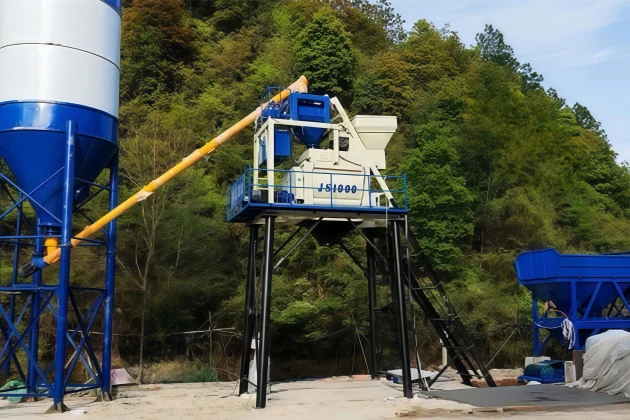
Planta de Hormigón Estacionaria
(Tolva de Salto)
La Columna Vertebral de los Mega-Proyectos.
Capacidad: 25 – 200 m³/h
Modelos: Serie HZS
Planta de Hormigón Estacionaria
(Transportador de Cinta)
La Columna Vertebral de los Mega-Proyectos.
Capacidad: 60 – 240 m³/h
Modelos: Serie HZS
Planta de Hormigón Móvil
Altas Tasas de Producción, Donde las Necesite.
Capacidad: 25 – 120m³/h
Modelos: Serie YHZS
Planta de Hormigón de Mezcla Seca
Versátil, Rápida y Altamente Rentable.
Capacidad: 25 – 100 m³/h
Modelos: Serie HZS-G
Planta de Hormigón Sin Cimentación
Una Huella Pequeña Diseñada para Grandes Negocios.
Capacidad: 25 – 75 m³/h
Modelos: Serie FHZS
Planta de Hormigón Contenerizada
Una Huella Pequeña Diseñada para Grandes Negocios.
Capacidad: 60 – 180 m³/h
Modelos: Serie HZS-C
PROYECTOS EXITOSOS
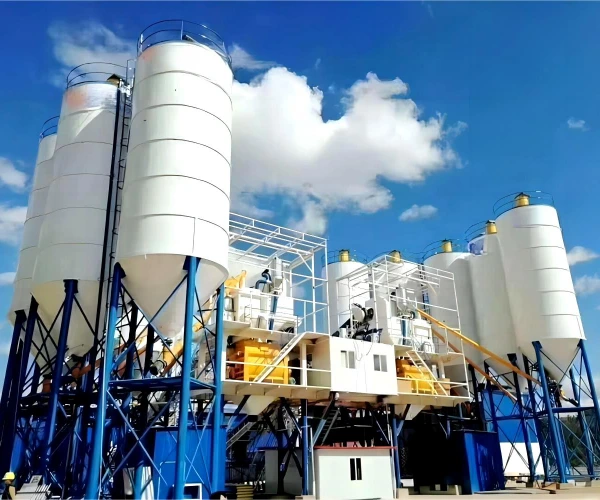
Suministro Comercial de RMC de Alto Volumen
- Ubicación: Filipinas
- Equipo: Plantas de Dosificación Estacionarias Dobles HZS120
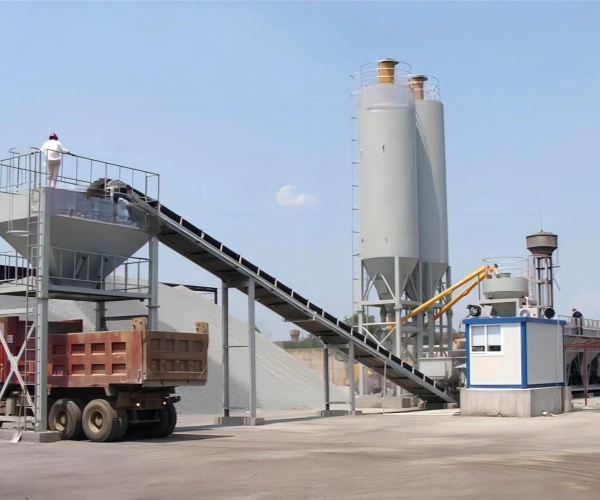
- El Resultado: Para satisfacer la demanda masiva diaria de un centro urbano en rápida expansión, el cliente requería producción ininterrumpida. Nuestra configuración de planta doble con sincronización PLC totalmente automatizada entrega más de 200 m³/h, operando 24/7 sin tiempo de inactividad no planificado.
Proyecto de Infraestructura en Clima Extremo
- Ubicación: Uzbekistán
- Equipo: HZS90 con Cerramiento de Invierno y Sistema de Calefacción
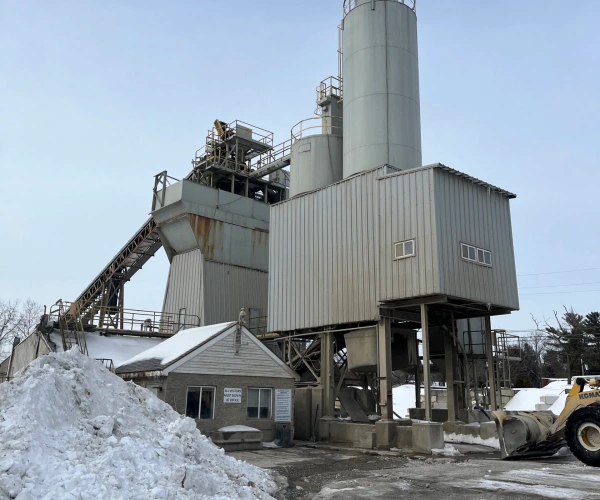
- El Resultado: Operando en temperaturas bajo cero, el cliente necesitaba una solución confiable para evitar la congelación del agregado. Entregamos una planta completamente revestida con calefacción de vapor, permitiendo que el proyecto de construcción de carreteras continuara sin problemas durante el duro invierno.
Construcción de Presa de Alta Precisión
- Ubicación: Kenia
- Equipo: HZS180 con Dosificación de Hielo y Microsílice
- El Resultado: La construcción de presas requiere un control estricto sobre el calor de hidratación del concreto. Integramos un sistema especializado de pesaje de hielo en escamas y mezcladores planetarios, asegurando la integridad estructural exacta requerida para este megaproyecto.