Preis einer Betonmischanlage – Was kostet sie wirklich im Jahr 2026?
Wenn Sie Ihr nächstes Bauprojekt oder Ihr gewerbliches Transportbetonunternehmen planen, ist die erste und wichtigste Frage, die Sie sich stellen werden: “Was ist der genaue Preis einer Betonmischanlage?”
Eine schnelle Online-Suche zeigt Ihnen möglicherweise Zahlen, die von $20.000 bis über $210.000 USD reichen. Diese enorme Spanne ist kein Fehler – sie spiegelt die großen Unterschiede in Produktionskapazität, Anlagentyp und Automatisierungsgrad in der gesamten Branche wider.
Wir glauben an transparente Preise. Obwohl jede von uns hergestellte Anlage nach Ihren spezifischen Anforderungen konstruiert wird, ist das Verständnis des Basispreises einer Betonmischanlage für Ihre anfängliche Budgetplanung entscheidend.
Laut einem maßgeblichen Bericht wird erwartet, dass der globale Markt für Transportbeton von $1,4425 Milliarden im Jahr 2024 auf $2,201 Milliarden im Jahr 2026 steigt. Das bedeutet, dass die gesamte Branche in den kommenden Jahren, insbesondere aus Entwicklungsländern, eine boomende Nachfrage erleben wird. Nutzen Sie daher diese großartige Gelegenheit, um Betonmischanlagen zu wettbewerbsfähigen Preisen zu kaufen.
Hier ist ein realistischer Blick auf die FOB (Frei an Bord) Ausrüstungspreisspannen, die Sie bei einer Partnerschaft mit einem erstklassigen Hersteller erwarten können:
- Preis für Mini- & kleine Betonmischanlage (25m³/h – 50m³/h):
Liegt typischerweise zwischen $15.000 und $45.000 USD. Diese äußerst erschwinglichen Einheiten sind perfekt für die ländliche Entwicklung, kleine Auftragnehmer oder temporäre Straßenreparaturen, bei denen keine massive Leistung erforderlich ist. - Mittelgroße gewerbliche Anlagen (60m³/h – 90m³/h):
Rechnen Sie mit Kosten zwischen $45.000 und $80.000 USD. Dies ist der “Sweet Spot” für mittelgroße Transportbetonlieferanten, die ein hervorragendes Gleichgewicht zwischen Kosten und kontinuierlicher, zuverlässiger Leistung suchen. - Preis für schwere Transportbetonanlage (120m³/h – 240m³/h+):
Für Mega-Infrastrukturprojekte oder große gewerbliche RMC-Unternehmen beginnen Hochleistungsanlagen in der Regel bei $90.000 USD und können je nach fortschrittlichen Konfigurationen wie Doppelmischern, zusätzlichen Silos oder Wetterschutzverkleidungen $200.000 USD überschreiten .
Wichtiger Hinweis: Die obigen Zahlen repräsentieren den Basispreis der Maschinerie .. Wenn Sie nach der Gesamtinvestition suchen, die für den Bau einer voll funktionsfähigen Anlage (einschließlich Grundstück, Tiefbauarbeiten und Hilfsflotten) erforderlich ist, lesen Sie bitte unseren umfassenden Leitfaden zu [Kosten für die Einrichtung einer Transportbetonanlage].
Preisliste für Betonmischanlagen: Welches Modell passt zu Ihrem Projekt?
Hier ist die Übersicht über die Preise von Betonmischanlagen für verschiedene Modelle als Referenz:
Ländliche Entwicklung, kleine Wohnungsbauprojekte, temporäre Straßenreparaturen.
Kübelaufzug-Beschickung, äußerst kosteneffizient, kompakte Stellfläche.
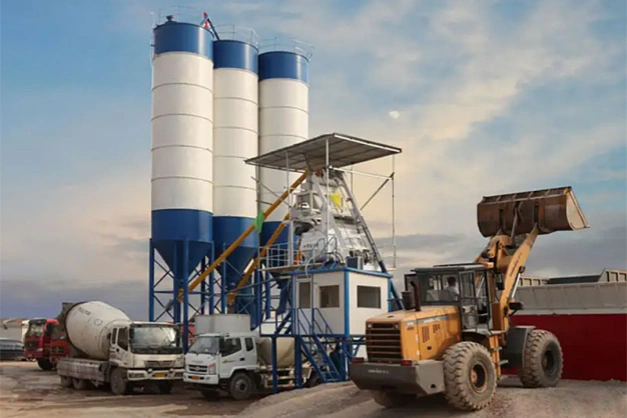
Gewerbliche Transportbetonunternehmen, Autobahnen, Dämme, Flughäfen.
Schräger Gurtförderer, schwerer Doppelwellenmischer, vollautomatische SPS, kontinuierlicher Hochleistungsausstoß.
Kurz- bis mittelfristige Auftragnehmer, Windparks, Projekte an mehreren Standorten.
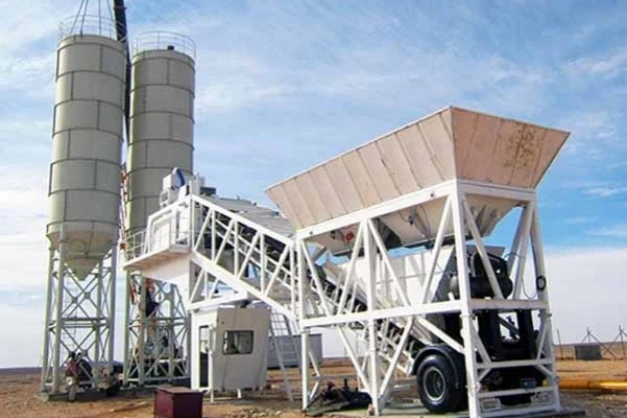
Vorelektriziert auf einem abschleppbaren Fahrgestell, schnelle Inbetriebnahme, kein Betonfundament erforderlich.
Langstreckentransport, große geografische Gebiete, Betonprojekte mit geringeren Anforderungen.
Kein Zentralmischer, extrem geringer Wartungsaufwand, schnelle Dosierung direkt in die Fahrmischer.
Enge städtische Räume, Projekte, die eine schnelle Verlagerung, aber kleinere Stellflächen erfordern.
Modulares Design, Installation auf vorbelastetem Boden, erhebliche Einsparungen bei Tiefbauarbeiten.
Hochwertige gewerbliche Versorgung in Städten, umweltfreundliche Zonen, Übersee-Großprojekte.
Integriert in Standard-40HQ-Container, niedrigste internationale Versandkosten, geschlossene, staubfreie Struktur.
Betonmischanlagen zu verkaufen: Preisliste 2026 nach Typ
Der Preis einer Betonmischanlage wird stark von ihrer strukturellen Bauweise und Mobilität bestimmt. Eine Anlage, die für eine permanente Fertigteilfabrik konzipiert ist, hat eine völlig andere Kostenstruktur als eine, die für den temporären Straßenbau ausgelegt ist.
Wenn Sie nach einer zuverlässigen Betonanlage zum Verkauf suchen, finden Sie hier eine Aufschlüsselung dessen, was Sie auf dem aktuellen Markt im Jahr 2026 investieren können:
Preis für stationäre Transportbetonanlage ($25.000 – $210.000+)
- Die Investition: Stationäre Anlagen sind schwere Arbeitspferde. Der Basispreis der Maschinerie ist sehr wettbewerbsfähig und beginnt bei etwa $25.000 für ein 60m³/h-System. Die Obergrenze kann jedoch für massive 210m³/h-Zwillingsmischer-Gewerbezentren mit fortschrittlichen Umweltschutzgehäusen leicht $250.000 übersteigen.
- Warum kaufen: Sie bieten die niedrigsten Kosten pro Kubikmeter über ein Jahrzehnt kontinuierlicher Nutzung. Wenn Sie ein dauerhaftes gewerbliches RMC-Unternehmen aufbauen, ist dies Ihre profitabelste langfristige Wahl.
Preis für mobile Betonmischanlage ($35.000 – $120.000)
- Die Investition: Der anfängliche Preis für eine mobile Betonmischanlage ist typischerweise 15% bis 30% höher als der einer stationären Anlage mit genau derselben Kapazität. Zum Beispiel kostet eine sehr beliebte mobile Einheit YHZS60 (60m³/h) im Allgemeinen zwischen $60.000 und $85.000.
- Warum kaufen: Sie zahlen einen Aufpreis für Agilität. Da alle Komponenten auf einem ziehbaren Fahrgestell vorverdrahtet sind, sparen Sie Zehntausende von Dollar für tiefe Betonfundamente und reduzieren die Installationszeit erheblich von Wochen auf Tage. Es ist eine starke ROI-Wahl für kurzfristige Auftragnehmer.
Preis für kleine & Mini-Betonmischanlage ($15.000 – $45.000)
- Die Investition: Wenn Ihr Projekt 25m³/h bis 35m³/h erfordert, ist der Preis für eine kleine Betonmischanlage äußerst budgetfreundlich. Diese verwenden oft ein einfaches Skip-Hub (Eimer)-Ladesystem anstelle eines langen, teuren Bandförderers.
- Warum kaufen: Perfekt für die ländliche Entwicklung, kleine Wohnungsbauprojekte oder Schwellenmärkte, in denen wenig Platz vorhanden ist und kein massives Anfangskapital zur Verfügung steht.
Im Folgenden sind die spezifischen Parameter unserer stationären Betonmischanlage (Skip-Hopper und Förderband), mobile Betonmischanlage, Trockenbetonmischanlage und kompakte Betonmischanlage (fundamentfrei und containerisiert). Wir haben 6 Arten von Betonmischanlagen. Wenn Sie an Betonmischanlagen interessiert sind, die wir liefern, können Sie lesen Betonmischanlage um Ihr gewünschtes Produkt zu finden.
Mobiler vs. Stationärer Typ: Bei gleicher Kapazität ist der Preis von mobilen Mischanlagen in der Regel höher als der von stationären, da ihre Mobilität und Flexibilität eine einfache Verlagerung und Anpassung an verschiedene Projektstandorte ermöglichen. Die Mobilität bringt fortschrittliche Technik und Funktionen mit sich, die eine schnelle Einrichtung und den Betrieb erleichtern, was die höheren Kosten rechtfertigt.
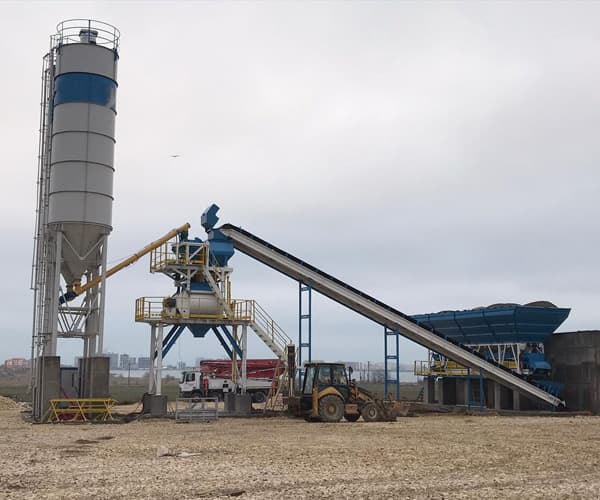
Stationäre Betonmischanlage
Das Rückgrat von Mega-Projekten.
Kapazität: 25 – 240 m³/h (Modelle: HZS-Serie)
Konzipiert für massive, langfristige Infrastruktur- und gewerbliche Transportbetonbetriebe. Erhältlich sowohl in platzsparenden Skip-Hopper- Ausführungen als auch in leistungsstarken kontinuierlichen Bandförderer- Konfigurationen, die perfekt auf Ihr Geländelayout abgestimmt sind.
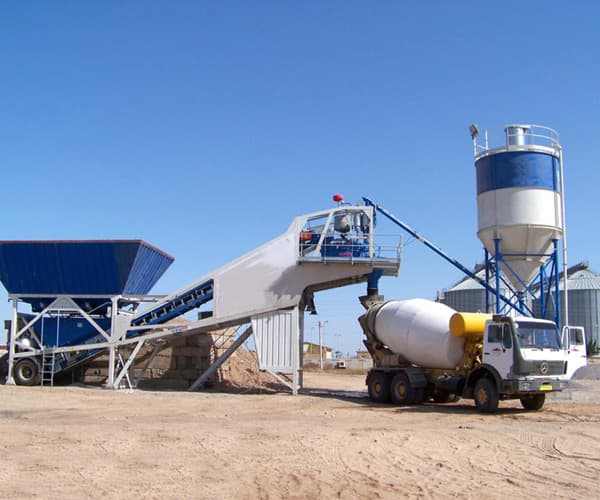
Mobile Betonmischanlage
Hohe Produktionsraten, überall dort, wo Sie sie brauchen.
Kapazität: 25 – 120 m³/h (Modelle: YHZS-Serie)
Entwickelt für maximale Mobilität. Alle Kernkomponenten sind auf einem transportablen Fahrgestell vorverdrahtet, was eine schnelle Montage und Umsetzung ohne aufwendige Gründungsarbeiten ermöglicht.
Nassmisch- vs. Trockenmisch-Typ: Der Preis für Nassbetonmischanlagen ist höher aufgrund der Notwendigkeit komplexerer Ausrüstung, die das gründliche Mischen von Wasser und Zusätzen direkt in den Beton vor dem Versand ermöglicht. Dieser Prozess erfordert zusätzliche Maschinen wie Betonmischer und Wasser-Dosiersysteme, die zu den Gesamtkosten beitragen.
Trockenmisch-Anlagen sind zwar in der Regel kostengünstiger, bieten aber möglicherweise nicht das gleiche Maß an Konsistenz und Kontrolle über den Betonmischprozess. Wenn Sie also keine Anforderungen an hochwertigen Beton haben, wären die Trockenmisch-Anlagen eine bevorzugte Wahl.
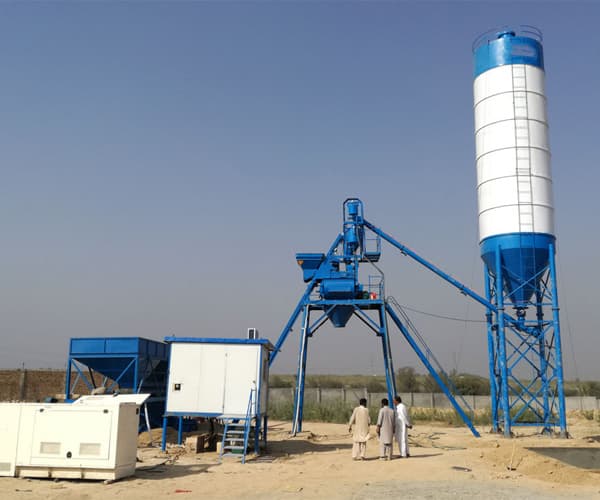
Nassbetonmischanlage
Perfekte Homogenität von Anfang bis Ende.
Kapazität: 25 – 240 m³/h (Modelle: HZS-Serie)
Ausgestattet mit robusten Doppelwellen- oder Planeten-Zentralmischern. Diese Anlagen garantieren perfekt gemischten, hochfesten Beton vor dem Austrag – unerlässlich für Betonfertigteile und Infrastruktur mit strengen Spezifikationen.
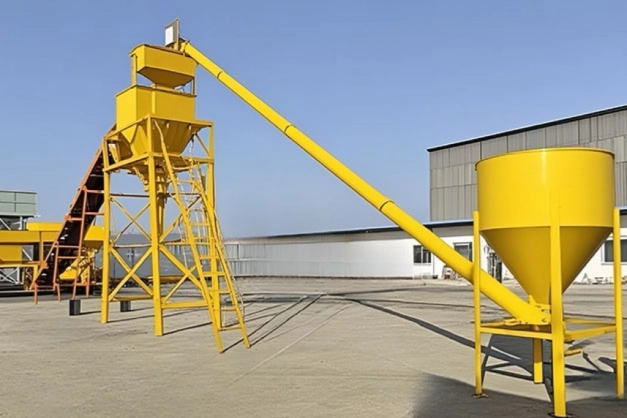
Trockenmörtel-Betonmischanlage
Vielseitig, schnell und äußerst kosteneffizient.
Kapazität: 25 – 100 m³/h (Modelle: HZS-G-Serie)
Für Projekte, bei denen der Beton im Fahrmischer gemischt wird. Ohne Zentralmischer bieten diese Anlagen schnelle Mischzyklen, extrem geringen Wartungsaufwand und hohe Ausstoßmengen für den Langstreckentransport.
Kompakter Typ: Die kompakten Betonmischanlagen stellen eine weitere kostengünstige Option für spezifische Bedürfnisse dar. Sie sind so konzipiert, dass sie nur minimalen Platz beanspruchen und dennoch effiziente Produktionskapazitäten bieten. Ihr kompaktes Design reduziert den Bedarf an umfangreichen Fundamenten und Tiefbauarbeiten und senkt dadurch die Installationskosten.
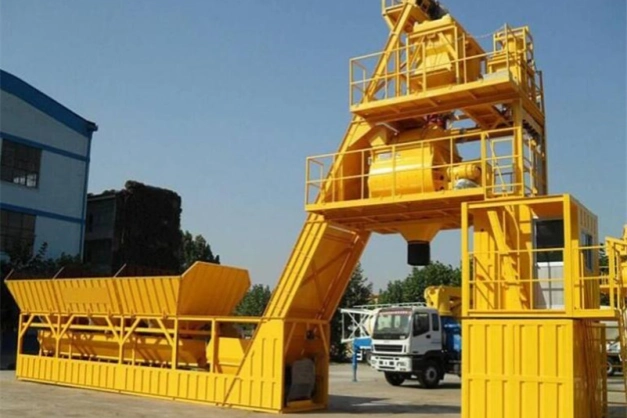
Fundamentfreie Betonmischanlage
Kleine Stellfläche, konzipiert für große Geschäfte.
Kapazität: 25 – 75 m³/h (Modelle: FHZS-Serie)
Unsere kompakten Anlagen vereinen containerisierte und fundamentfreie Bauweisen und sind optimiert für beengte Platzverhältnisse und kostengünstige internationale Verschiffung, während sie eine hochmoderne Mischleistung bieten.
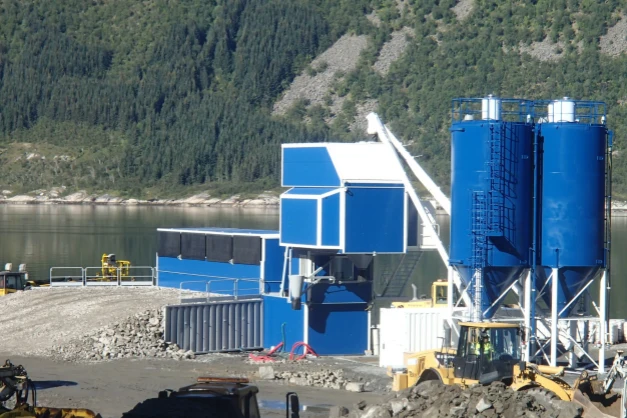
Containerisierte Betonmischanlage
Kleine Stellfläche, konzipiert für große Geschäfte.
Kapazität: 60 – 180 m³/h (Modelle: HZS-C-Serie)
Unsere kompakten Anlagen vereinen containerisierte und fundamentfreie Bauweisen und sind optimiert für beengte Platzverhältnisse und kostengünstige internationale Verschiffung, während sie eine hochmoderne Mischleistung bieten.
Schlüsselfaktoren, die den Preis einer Betonmischanlage bestimmen
Beim Vergleich von Angeboten verschiedener Lieferanten stellen Sie möglicherweise einen Unterschied von $10.000 bis $30.000 für Anlagen mit genau derselben theoretischen Kapazität (z. B. 60m³/h) fest. Warum variiert der Preis der Betonmischanlage so stark?
Die endgültigen Kosten sind nie nur eine Frage des Rohstahls. Sie werden durch die Fertigungsqualität, die Komplexität der Konfiguration und die in das System integrierte Langzeitzuverlässigkeit bestimmt. Die Kenntnis dieser Faktoren hilft Ihnen, die richtige Ausrüstung auszuwählen, ohne zu viel auszugeben:
Rohstoffe & Herstellungsprozess
Die Hauptstruktur einer Mischanlage ist stark auf Industriestahl angewiesen. Daher wirken sich die globalen Stahlkosten direkt auf den Preis der Ausrüstung aus. Was jedoch eine Premium-Anlage wirklich von einer billigen unterscheidet, ist die Fertigungskomplexität.
- Unser Unterschied: Fortschrittliche Verfahren wie präzises CNC-Schweißen, dicke verschleißfeste Stahlplatten und gründliches Kugelstrahlen mit doppelten Epoxid-Antirost-Behandlungen erhöhen die Produktionskosten, verbessern aber drastisch die Haltbarkeit und Lebensdauer Ihrer Anlage.
Automatisierungsgrad
Obwohl vollautomatische Steuerungssysteme eine höhere Anfangsinvestition in Ihre Betonanlagenkosten darstellen, sind sie der ultimative ROI-Multiplikator.
- Der ROI-Faktor: Ein Upgrade auf ein erstklassiges SPS-System (wie Siemens oder Schneider) optimiert den Betrieb, minimiert menschliche Fehler und kann die langfristigen Arbeitskosten erheblich senken. Eine manuelle oder halbautomatische Anlage ist zwar günstiger in der Anschaffung, aber im Laufe der Zeit deutlich teurer im Betrieb.
Kernkonfiguration: Mischer & Gesteinskörnungsbehälter
Die von Ihnen gewählten spezifischen Komponenten bestimmen direkt die Fähigkeiten Ihrer Anlage und deren endgültigen Preis.
- Steuerungssystem: Standard-Zweiwellenmischer sind kosteneffiziente Arbeitstiere. Ein Upgrade auf einen leistungsstarken Planetenmischer (erforderlich für Null-Setzbeton im Fertigteilbereich) erfordert ein höheres Budget.
- Gesteinskörnungsdosierer: Eine Standardkonfiguration mit 2 oder 3 Behältern ist erschwinglich. Wenn Ihr Projekt komplexe Mischungsdesigns mit 4 bis 6 separaten Gesteinskörnungsbehältern erfordert, steigt der Preis aufgrund des zusätzlichen Stahls, der pneumatischen Klappen und der hochpräzisen Wägezellen.
Zusätzliche Anpassungen & Öko-Upgrades
Moderne Bauprojekte erfordern oft die strikte Einhaltung von Umweltauflagen.
- Preisbeeinflussende Zusatzoptionen: Die Integration von Impulsstrahl-Entstaubungssystemen für emissionsfreien Betrieb, die Installation einer Klimaanlage im Steuerraum oder die Hinzunahme spezieller Eis-/Mikrosilika-Dosiersysteme erhöhen natürlich den endgültigen Preis der Betonmischanlage.
Markenreputation & Kundendienst
Renommierte Hersteller wie wir verlangen oft einen fairen Aufpreis gegenüber obskuren lokalen Werkstätten. Warum? Weil Sie sich damit Seelenfrieden kaufen.
- Der verborgene Wert: Ein etwas höherer Anschaffungspreis beinhaltet eine nachgewiesene Erfolgsbilanz, umfassende Garantien, schnellen Zugang zu Original-Ersatzteilen sowie die Unterstützung durch technische Ingenieure für die Installationsanleitung vor Ort und Schulungen.
Über den Maschinenpreis hinaus – Weitere zu berücksichtigende Kosten
Während der anfängliche Preis der Betonmischanlage die Kernausrüstung (wie oben beschrieben) abdeckt, erfordert der Betrieb eines erfolgreichen Betongeschäfts eine umfassendere Finanzplanung. Ähnlich wie bei der Einrichtung einer größeren Industrieanlage muss Ihr Gesamtbudget betriebliche und Einrichtungskosten berücksichtigen.
Wenn Sie Ihre Gesamtinvestition berechnen, sollten Sie diese vier wesentlichen Kategorien im Hinterkopf behalten:
- Flächenbedarf & Tiefbauarbeiten:
Der physische Platzbedarf Ihrer Anlage ist entscheidend. Eine kompakte mobile Anlage benötigt fast kein Fundament, was Ihnen Anfangskapital spart. Eine große stationäre Anlage erfordert jedoch die Anmietung oder den Kauf eines beträchtlichen Grundstücks und erhebliche Investitionen in robuste Betonfundamente, bevor die Maschinen aufgestellt werden können. - Strom und Kraftstoff für die Anlage und den Radlader.
Die höchsten laufenden Kosten in der Betonproduktion sind nicht die Maschine – es ist der tägliche Verbrauch von Zement, Sand, Kies und chemischen Zusätzen. (Genau deshalb spart Ihnen die Investition in eine höherpreisige, vollautomatische Anlage mit einer Wägegenauigkeit von ±1% uns
langfristig massive Geldbeträge). - Betriebspersonal & Fuhrpark:
Während ein hochwertiges SPS-System das Personal im Steuerraum reduziert, erfordert der Betrieb einer kommerziellen Anlage dennoch einen erfahrenen Laderfahrer, Wartungstechniker und einen Fuhrpark von Fahrmischern oder Betonpumpen, um Ihr Produkt auszuliefern. - Strom, Wasser & Wartung:
Schwere Zweiwellenmischer verbrauchen erhebliche Mengen an Industriestrom und Wasser. Zudem müssen Sie Budget für routinemäßige Verschleißteile wie Mischschaufeln, Panzerungen und Förderbänder einplanen, um kostspielige Ausfallzeiten zu vermeiden.
Möchten Sie eine detaillierte Aufschlüsselung dieser Betriebskosten sehen?
Tauchen Sie ein in unseren umfassenden Investorenleitfaden: [Kosten für die Einrichtung einer Transportbetonanlage & ROI-Berechnung].
Verständnis von FOB-, CIF- und Versandpreisen
Wenn Sie ein Preisangebot für eine Betonmischanlage von einem globalen Hersteller wie uns erhalten, ist es wichtig, genau zu verstehen, was darin enthalten ist. Im internationalen Maschinenhandel werden üblicherweise standardisierte Handelsklauseln (Incoterms) verwendet, die festlegen, wer die Versand- und Versicherungskosten übernimmt.
So lesen Sie Ihr Angebot, um böse Überraschungen zu vermeiden:
Die Basismaschinenkosten: FOB-Preis
- Was es bedeutet: “Frei an Bord.” Der Preis, den Sie online oder in unseren ersten Angeboten sehen, ist in der Regel der FOB-Preis. Dieser deckt die Herstellung der Anlage und den Transport zum benannten Verschiffungshafen in China (z. B. Qingdao oder Shanghai) ab.
- Was NICHT enthalten ist: Seefracht weltweit, Seeversicherung und Einfuhrzölle in Ihrem Heimatland.
Die gelieferten Kosten: CIF-Preis
- Was es bedeutet: “Kosten, Versicherung und Fracht.” Wenn Sie ein CIF-Angebot anfordern, kümmern wir uns um alles, bis die Anlage in Ihrem Zielhafen (z. B. Mombasa, Manila oder Sydney) ankommt.
- Warum CIF wählen: Es bietet Sicherheit. Sie wissen genau, wie viel die Anlage bis zu Ihrer Küste kosten wird, und sind so vor plötzlichen Anstiegen der Seefrachtraten geschützt. Unser erfahrenes Logistikteam handelt die besten Containertarife in Ihrem Namen aus.
Wie wir Ihren Versandpreis optimieren
- Die Seefracht für schwere Maschinen kann unglaublich teuer sein, wenn sie nicht richtig konstruiert sind. Eine schlecht konstruierte Anlage benötigt möglicherweise fünf 40-Fuß-High-Cube-Container (40HQ), was Ihren endgültigen Anlagenpreis sofort um Tausende von Dollar erhöht.
Wir konstruieren für minimale Logistikauswirkungen:
- Containerisierte Modularität: Wir konstruieren unsere stationären und kompakten Anlagen so, dass sie perfekt in Standard-40HQ-Container passen. Unsere geschraubten Zementsilos (anstelle von vollständig geschweißten) sparen enorm viel Versandvolumen und senken so Ihren endgültigen Landepreis erheblich.
- Keine fehlenden Teile: Jede Komponente wird in unserem Werk vormontiert, getestet und sorgfältig verpackt. Dies gewährleistet eine maximale Containerauslastung und garantiert, dass während des Transports nichts verloren geht.
Benötigen Sie einen genauen Lieferpreis für Ihr Land?
Kontaktieren Sie uns mit Ihrer gewünschten Kapazität und dem Zielhafen. Unser Logistikteam wird Ihnen innerhalb von 24 Stunden ein umfassendes CIF-Angebot unterbreiten.
Insidertipps – So erhalten Sie den besten Preis für Ihre Betonmischanlage
Jeder Investor möchte das bestmögliche Geschäft. Die blinde Jagd nach dem niedrigsten Anlagenpreis führt jedoch in der Regel zum Kauf minderwertiger, störanfälliger Ausrüstung. Um wirklich Geld zu sparen, ohne Kompromisse bei der Qualität einzugehen, befolgen Sie diese klugen Kaufstrategien:
Dimensionieren Sie Ihre Kapazität & Konfiguration richtig
Überdimensionieren Sie Ihre Anlage nicht. Bewerten Sie Ihr genaues tägliches Betonvolumen und die spezifische Mischungsart, die Sie benötigen.
- Der Spartrick: Wenn Ihr Projekt nur 60 m³/h erfordert, ist der Kauf einer 120-m³/h-Anlage Kapitalverschwendung. Wenn Sie nur handelsüblichen Standardbeton (C20-C40) herstellen, ist ein robuster Doppelwellen-Zwangsmischer äußerst kosteneffizient; es besteht keine Notwendigkeit, für einen hochwertigen Planetenmischer zu viel auszugeben, es sei denn, Sie stellen Betonfertigteile mit strengen Spezifikationen her.
Verhandeln Sie über den “Paketwert” statt nur über den Preis
Vergleichen Sie bei Angeboten verschiedener Hersteller nicht nur den Endpreis. Schauen Sie, was im Lieferumfang enthalten ist.
- Der Spartrick: Anstatt aggressiv über den Stahlpreis zu feilschen, verhandeln Sie über gebündelte Dienstleistungen, die Ihnen später Geld sparen. Unsere Premium-Angebote beinhalten beispielsweise automatisch eine Verifizierte internationale Zertifizierungen und Ferninbetriebnahme-Unterstützung. Das spart Ihnen Tausende von Dollar für die frühe Wartung und erspart Ihnen den Ärger, fehlende Teile lokal beschaffen zu müssen.
Investieren Sie in Automatisierung, um Arbeitskosten zu senken
Eine billige, halbmanuelle Anlage mag auf dem Papier wie ein tolles Angebot wirken, wird aber Ihre monatlichen Betriebskosten durch Lohnkosten und Materialverschwendung in die Höhe treiben.
- Der Spartrick: Etwas mehr Vorabinvestition in ein vollautomatisches, hochmodernes SPS-System (wie Siemens oder Schneider) ist der ultimative Geldsparer. Es optimiert Abläufe, verhindert Bedienfehler und kann Ihre langfristigen Arbeitskosten um bis zu 60 % senken, was die Kapitalrendite Ihrer Anlage erheblich beschleunigt.
Planen Sie Wachstum mit modularen Designs
Wenn Ihr anfängliches Budget knapp ist, zwingen Sie sich nicht, eine überdimensionierte Anlage zu kaufen, die Ihre Finanzen belastet.
- Der Spartrick: Investieren Sie in eine modulare Betonmischanlage, die wir entwerfen. Sie können mit einer Basiskonfiguration beginnen (z. B. einem 60-m³/h-Doppelwellenmischer mit zwei Zementsilos), um Ihre anfänglichen Kosten für die Betonmischanlage zu minimieren. Wenn Ihr Unternehmen wächst und größere Aufträge gewinnt, ermöglicht Ihnen unser modulares Design, später problemlos zusätzliche Silos hinzuzufügen, Zuschlagstoffbehälter zu erweitern oder fortschrittliche Kühlsysteme zu integrieren – ohne eine komplett neue Anlage kaufen zu müssen.
Neuer vs. gebrauchter Betonanlagenpreis – Welche Investition ist besser?
Bei einem knappen Budget mag die Suche nach einer “gebrauchten Betonmischanlage zu verkaufen” in Ihrer Nähe wie der klügste finanzielle Schachzug erscheinen. Der Vergleich des Anschaffungspreises einer gebrauchten Betonanlage mit einer brandneuen, importierten Anlage von uns offenbart jedoch oft eine überraschende Realität hinsichtlich der langfristigen Rentabilität.
Bevor Sie gebrauchte Ausrüstung kaufen, bedenken Sie diese versteckten Kosten und Betriebsrisiken:
Die Illusion eines niedrigeren Anfangspreises
- Die Falle: Eine gebrauchte Anlage von einem lokalen Auftragnehmer oder einer Auktion mag einen attraktiven Kaufpreis haben. Allerdings erben Sie die stark abgenutzte Maschinerie eines anderen.
- Unsere Realität: Dank unserer massiven Produktionskapazitäten und optimierten Lieferkette ist der FOB-Preis einer brandneuen Betonmischanlage (mit moderner Automatisierung und null Verschleiß) von uns weltweit äußerst wettbewerbsfähig. Oft liegt der Import einer neuen, hocheffizienten Anlage aus unserer Fabrik überraschend nahe an – oder sogar unter – dem Preis einer überholten, jahrzehntealten Anlage in Märkten wie Australien, Großbritannien oder Nordamerika.
Wartungsalpträume vs. Garantie-Sorglosigkeit
- Die Falle: Gebrauchte Anlagen werden “wie gesehen” ohne Garantie verkauft. Der Austausch einer gerissenen Mischerwelle oder einer defekten, veralteten Steuerungstafel wird das Geld, das Sie beim Kaufpreis gespart haben, sofort zunichtemachen. Ersatzteile für veraltete Modelle zu finden, ist unglaublich schwierig und teuer.
- Unsere Realität: Jede unserer neuen Anlagen wird mit einer umfassenden Herstellergarantie geliefert. Noch wichtiger: Wir versenden Ihre Anlage mit einem kompletten Paket an Original-Ersatzteilen (Verschleißplatten, Messer, Pneumatikventile). Sie erhalten garantierte Zuverlässigkeit und eine Lebensdauer von 10-15 Jahren ab Werk, mit 24/7 technischem Support durch unsere Ingenieure.
Produktionseffizienz & Technologie
- Die Falle: Ältere Anlagen verwenden veraltete, ungenaue Wägesysteme und langsame manuelle Steuerungen. Sie werden aufgrund schlechter Dosiergenauigkeit (z. B. ±3 % Fehlertoleranz) Tonnen von Zement verschwenden.
- Unsere Realität: Unsere neuen Anlagen verfügen über hochmoderne Siemens/Schneider-SPS mit dynamischer Feuchtigkeitskompensation und strenger ±1% Wiegegenauigkeit. Allein die Materialeinsparungen durch eine hochautomatisierte Anlage von uns werden starke langfristige Materialeinsparungen erzielen.
Das Fazit
Während eine gebrauchte Anlage heute vielleicht billiger erscheint, machen die ständigen Ausfälle, die veraltete Software und die übermäßige Materialverschwendung sie zu einer riskanten Investition. Durch die Wahl einer neuen Betonmischanlage zu verkaufen von uns erhalten Sie hochmoderne Technologie, garantierte Betriebszeit und globalen Garantiesupport – was eine deutlich höhere Kapitalrendite für Ihr Unternehmen liefert.
Reduzieren Sie das Risiko für Ihr Projekt durch Gebrauchtmaschinen.
Kontaktieren Sie uns noch heute, um zu erfahren, wie erschwinglich eine brandneue, leistungsstarke Betonmischanlage für Ihre Region sein kann!
Preistrends für Betonmischanlagen (Ausblick 2026-2027)
Das Verständnis, wie sich der Preis für Betonmischanlagen weltweit entwickelt, ist entscheidend für rechtzeitige, kosteneffiziente Investitionen. Wenn Sie planen, in den nächsten 12 bis 18 Monaten eine Anlage zu kaufen, sind hier die wichtigsten makroökonomischen Trends, die den Markt prägen:
Volatilität der Rohstoffe erfordert frühzeitiges Handeln
- Der Trend: Stahl macht über 40 % der mechanischen Komponenten einer Betonmischanlage aus. In den letzten zwei Jahren waren die globalen Stahl- und Elektronikkomponentenpreise sehr volatil.
- Die Preisauswirkung: Wenn die Materialkosten hoch bleiben, erwarten Branchenanalysten einen Anstieg der Basispreise für Anlagen um etwa 4 % bis 7 % jährlich.
- Unsere Ratschlag: Ein Aufschub Ihres Kaufs wird Sie wahrscheinlich mehr kosten. Wir empfehlen dringend, frühzeitig in Ihrer Projektplanungsphase einen Preisbindungsvertrag mit uns abzuschließen, um zukünftige Kostenschwankungen abzumildern.
Die Verlagerung hin zu energieeffizienten Konfigurationen
- Der Trend: Da die globalen Energiekosten steigen, entfernen sich Auftragnehmer von Standardmotoren und fordern hocheffiziente Anlagen.
- Die Preisauswirkung: Die Ausstattung Ihrer Anlage mit VFD-Motoren (Frequenzumrichter), energiesparenden Planetenmischern und vollständig isolierten Silos erhöht den anfänglichen Kaufpreis um etwa 8 % bis 12 %. Diese umweltfreundliche Aufrüstung kann Ihre jährlichen Stromkosten jedoch um bis zu 15 % senken und sich in energieintensiven Betrieben schnell amortisieren.
Regionale Compliance-Aufschläge
- Der Trend: Das Zielland bestimmt maßgeblich die endgültige Konfiguration und die Kosten der Anlage.
- Die Preisauswirkung: Wenn Sie eine Anlage in streng regulierte, hochentwickelte Märkte wie Australien, Europa oder Nordamerika, importieren, rechnen Sie mit einem Preisaufschlag von 10 % bis 15 %. Dies liegt daran, dass die Anlage mit CE-zertifizierten elektrischen Komponenten, aktiven Impulsstrahl-Filteranlagen und fortschrittlichen Sicherheitsgehäusen aufgerüstet werden muss, um den örtlichen Umweltauflagen zu entsprechen.
- Unsere Ratschlag: Wir besitzen bereits alle CE-, ISO- und SGS-Zertifizierungen. Wir bauen täglich konforme Anlagen für diese hochentwickelten Regionen und stellen sicher, dass Sie niemals mit Zollzurückweisungen oder Baustellenstilllegungen konfrontiert werden.
Warum eine Partnerschaft mit CCS den besten Betonmischanlagen-Preis und -Wert garantiert
Den niedrigsten Preis für eine Betonmischanlage im Internet zu finden, ist einfach. Aber einen zuverlässigen, international zertifizierten Hersteller zu finden, der kompromisslose Qualität, transparente Preise und langfristige Rentabilität liefert, ist die eigentliche Herausforderung.
Als professioneller Hersteller mit über 32 Jahren globaler Erfahrung hat sich CCS das Vertrauen von Top-Bauunternehmen in anspruchsvollen Märkten wie Südostasien, dem Nahen Osten, Afrika und Australien erarbeitet. So maximieren wir Ihre Investition:
- Fabrikdirektpreise ohne versteckte Gebühren:
Wir sind keine Zwischenhändler. Sie kaufen direkt von unserer hochmodernen Produktionsstätte. Jedes von uns angebotene Angebot ist vollständig aufgeschlüsselt und transparent. Sie wissen genau, was Sie für die Kernmaschinen, die optionalen Upgrades und die Versandkosten zu Ihrem lokalen Hafen bezahlen. - Maßgeschneiderte Lösungen zur Vermeidung von Mehrausgaben:
Jedes Projekt ist einzigartig. Unsere Ingenieure werden Sie niemals dazu drängen, eine überdimensionierte Anlage zu kaufen. Wir arbeiten eng mit Ihnen zusammen, um eine maßgeschneiderte Konfiguration zu entwerfen – sei es eine kompakte mobile Einheit oder eine massive stationäre Anlage mit Doppelmischer – die perfekt auf Ihre tatsächlichen Produktionsanforderungen und Budgetvorgaben abgestimmt ist. - Globaler Komplett-Support:
Der gelistete Preis ist nur der Anfang. Wir schützen Ihre Investition, indem wir erfahrene Techniker zu Ihrem Standort entsenden, die Sie bei der Fundamenterstellung, der Geräteinstallation und der Bedienerschulung unterstützen. In Kombination mit unserer 24/7-Fern-PLC-Diagnose und der schnellen Ersatzteilversorgung stellen wir sicher, dass Ihre Anlage einen zuverlässigen Langzeitbetrieb unterstützt.
Wenn Sie Ihr nächstes Bauprojekt oder Ihr gewerbliches Transportbetonunternehmen planen, ist die erste und wichtigste Frage, die Sie sich stellen werden: “Was ist der genaue Preis einer Betonmischanlage?”
Eine schnelle Online-Suche zeigt Ihnen möglicherweise Zahlen, die von $20.000 bis über $210.000 USD reichen. Diese enorme Spanne ist kein Fehler – sie spiegelt die großen Unterschiede in Produktionskapazität, Anlagentyp und Automatisierungsgrad in der gesamten Branche wider.
Wir glauben an transparente Preise. Obwohl jede von uns hergestellte Anlage nach Ihren spezifischen Anforderungen konstruiert wird, ist das Verständnis des Basispreises einer Betonmischanlage für Ihre anfängliche Budgetplanung entscheidend.
Laut einem maßgeblichen Bericht wird erwartet, dass der globale Markt für Transportbeton von $1,4425 Milliarden im Jahr 2024 auf $2,201 Milliarden im Jahr 2026 steigt. Das bedeutet, dass die gesamte Branche in den kommenden Jahren, insbesondere aus Entwicklungsländern, eine boomende Nachfrage erleben wird. Nutzen Sie daher diese großartige Gelegenheit, um Betonmischanlagen zu wettbewerbsfähigen Preisen zu kaufen.
Hier ist ein realistischer Blick auf die FOB (Frei an Bord) Ausrüstungspreisspannen, die Sie bei einer Partnerschaft mit einem erstklassigen Hersteller erwarten können:
- Preis für Mini- & kleine Betonmischanlage (25m³/h – 50m³/h):
Liegt typischerweise zwischen $15.000 und $45.000 USD. Diese äußerst erschwinglichen Einheiten sind perfekt für die ländliche Entwicklung, kleine Auftragnehmer oder temporäre Straßenreparaturen, bei denen keine massive Leistung erforderlich ist. - Mittelgroße gewerbliche Anlagen (60m³/h – 90m³/h):
Rechnen Sie mit Kosten zwischen $45.000 und $80.000 USD. Dies ist der “Sweet Spot” für mittelgroße Transportbetonlieferanten, die ein hervorragendes Gleichgewicht zwischen Kosten und kontinuierlicher, zuverlässiger Leistung suchen. - Preis für schwere Transportbetonanlage (120m³/h – 240m³/h+):
Für Mega-Infrastrukturprojekte oder großflächige gewerbliche RMC-Unternehmen beginnen Hochleistungsanlagen in der Regel bei $90.000 USD und können je nach erweiterten Konfigurationen wie Doppelmischern, zusätzlichen Silos oder Wetterschutzverkleidungen $200.000 USD überschreiten. Darunter ist die 120 m³/h (HZS120) der beliebteste Einstiegspunkt in die gewerbliche Produktion, mit Preisen, die typischerweise zwischen $90.000 und $160.000 USD liegen — siehe unseren vollständigen HZS120 Betonmischanlage Preis-Leitfaden → für detaillierte Spezifikationen, Containerverladepläne und ROI-Analysen. Für die größten Projekte liefert die HZS240 maximale Leistung für eine kontinuierliche Mega-Maßstabsversorgung.
Wichtiger Hinweis: Die obigen Zahlen repräsentieren den Basispreis der Maschinerie .. Wenn Sie nach der Gesamtinvestition suchen, die für den Bau einer voll funktionsfähigen Anlage (einschließlich Grundstück, Tiefbauarbeiten und Hilfsflotten) erforderlich ist, lesen Sie bitte unseren umfassenden Leitfaden zu [Kosten für die Einrichtung einer Transportbetonanlage].
Preisliste für Betonmischanlagen: Welches Modell passt zu Ihrem Projekt?
Hier ist die Übersicht über die Preise für Betonmischanlagen für verschiedene Modelle als Referenz:
Ländliche Entwicklung, kleine Wohnungsbauprojekte, temporäre Straßenreparaturen.
Kübelaufzug-Beschickung, äußerst kosteneffizient, kompakte Stellfläche.
Gewerbliche Transportbetonunternehmen, Autobahnen, Dämme, Flughäfen.
Schräger Gurtförderer, schwerer Doppelwellenmischer, vollautomatische SPS, kontinuierlicher Hochleistungsausstoß.
Kurz- bis mittelfristige Auftragnehmer, Windparks, Projekte an mehreren Standorten.
Vorelektriziert auf einem abschleppbaren Fahrgestell, schnelle Inbetriebnahme, kein Betonfundament erforderlich.
Langstreckentransport, große geografische Gebiete, Betonprojekte mit geringeren Anforderungen.
Kein Zentralmischer, extrem geringer Wartungsaufwand, schnelle Dosierung direkt in die Fahrmischer.
Enge städtische Räume, Projekte, die eine schnelle Verlagerung, aber kleinere Stellflächen erfordern.
Modulares Design, Installation auf vorbelastetem Boden, erhebliche Einsparungen bei Tiefbauarbeiten.
Hochwertige gewerbliche Versorgung in Städten, umweltfreundliche Zonen, Übersee-Großprojekte.
Integriert in Standard-40HQ-Container, niedrigste internationale Versandkosten, geschlossene, staubfreie Struktur.
Betonmischanlage zu verkaufen: Preisliste 2026 nach Typ
Der Preis einer Betonmischanlage wird stark von ihrer strukturellen Bauweise und Mobilität bestimmt. Eine Anlage, die für eine permanente Fertigteilfabrik konzipiert ist, hat eine völlig andere Kostenstruktur als eine, die für den temporären Straßenbau ausgelegt ist.
Wenn Sie nach einer zuverlässigen Betonanlage zum Verkauf suchen, finden Sie hier eine Aufschlüsselung dessen, was Sie auf dem aktuellen Markt im Jahr 2026 investieren können:
Preis für stationäre Transportbetonanlage ($25.000 – $210.000+)
- Die Investition: Stationäre Anlagen sind schwere Arbeitspferde. Der Basispreis der Maschinerie ist sehr wettbewerbsfähig und beginnt bei etwa $25.000 für ein 60m³/h-System. Die Obergrenze kann jedoch für massive 210m³/h-Zwillingsmischer-Gewerbezentren mit fortschrittlichen Umweltschutzgehäusen leicht $250.000 übersteigen.
- Warum kaufen: Sie bieten die niedrigsten Kosten pro Kubikmeter über ein Jahrzehnt kontinuierlicher Nutzung. Wenn Sie ein dauerhaftes gewerbliches RMC-Unternehmen aufbauen, ist dies Ihre profitabelste langfristige Wahl.
Preis für mobile Betonmischanlage ($35.000 – $120.000)
- Die Investition: Der anfängliche Preis für eine mobile Betonmischanlage ist typischerweise 15% bis 30% höher als der einer stationären Anlage mit genau derselben Kapazität. Zum Beispiel kostet eine sehr beliebte mobile Einheit YHZS60 (60m³/h) im Allgemeinen zwischen $60.000 und $85.000.
- Warum kaufen: Sie zahlen einen Aufpreis für Agilität. Da alle Komponenten auf einem ziehbaren Fahrgestell vorverdrahtet sind, sparen Sie Zehntausende von Dollar für tiefe Betonfundamente und reduzieren die Installationszeit erheblich von Wochen auf Tage. Es ist eine starke ROI-Wahl für kurzfristige Auftragnehmer.
Preis für kleine & Mini-Betonmischanlage ($15.000 – $45.000)
- Die Investition: Wenn Ihr Projekt 25m³/h bis 35m³/h erfordert, ist der Preis für eine kleine Betonmischanlage äußerst budgetfreundlich. Diese verwenden oft ein einfaches Skip-Hub (Eimer)-Ladesystem anstelle eines langen, teuren Bandförderers.
- Warum kaufen: Perfekt für die ländliche Entwicklung, kleine Wohnungsbauprojekte oder Schwellenmärkte, in denen wenig Platz vorhanden ist und kein massives Anfangskapital zur Verfügung steht.
Im Folgenden sind die spezifischen Parameter unserer stationären Betonmischanlage (Skip-Hopper und Förderband), mobile Betonmischanlage, Trockenbetonmischanlage und kompakte Betonmischanlage (fundamentfrei und containerisiert). Wir haben 6 Arten von Betonmischanlagen. Wenn Sie an Betonmischanlagen interessiert sind, die wir liefern, können Sie lesen Betonmischanlage um Ihr gewünschtes Produkt zu finden.
Mobiler vs. Stationärer Typ: Bei gleicher Kapazität ist der Preis von mobilen Mischanlagen in der Regel höher als der von stationären, da ihre Mobilität und Flexibilität eine einfache Verlagerung und Anpassung an verschiedene Projektstandorte ermöglichen. Die Mobilität bringt fortschrittliche Technik und Funktionen mit sich, die eine schnelle Einrichtung und den Betrieb erleichtern, was die höheren Kosten rechtfertigt.
Stationäre Betonmischanlage
Das Rückgrat von Mega-Projekten.
Kapazität: 25 – 240 m³/h (Modelle: HZS-Serie)
Konzipiert für massive, langfristige Infrastruktur- und gewerbliche Transportbetonbetriebe. Erhältlich sowohl in platzsparenden Skip-Hopper- Ausführungen als auch in leistungsstarken kontinuierlichen Bandförderer- Konfigurationen, die perfekt auf Ihr Geländelayout abgestimmt sind.
Mobile Betonmischanlage
Hohe Produktionsraten, überall dort, wo Sie sie brauchen.
Kapazität: 25 – 120 m³/h (Modelle: YHZS-Serie)
Entwickelt für maximale Mobilität. Alle Kernkomponenten sind auf einem transportablen Fahrgestell vorverdrahtet, was eine schnelle Montage und Umsetzung ohne aufwendige Gründungsarbeiten ermöglicht.
Nassmisch- vs. Trockenmisch-Typ: Der Preis für Nassbetonmischanlagen ist höher aufgrund der Notwendigkeit komplexerer Ausrüstung, die das gründliche Mischen von Wasser und Zusätzen direkt in den Beton vor dem Versand ermöglicht. Dieser Prozess erfordert zusätzliche Maschinen wie Betonmischer und Wasser-Dosiersysteme, die zu den Gesamtkosten beitragen.
Trockenmisch-Anlagen sind zwar in der Regel kostengünstiger, bieten aber möglicherweise nicht das gleiche Maß an Konsistenz und Kontrolle über den Betonmischprozess. Wenn Sie also keine Anforderungen an hochwertigen Beton haben, wären die Trockenmisch-Anlagen eine bevorzugte Wahl.
Nassbetonmischanlage
Perfekte Homogenität von Anfang bis Ende.
Kapazität: 25 – 240 m³/h (Modelle: HZS-Serie)
Ausgestattet mit robusten Doppelwellen- oder Planeten-Zentralmischern. Diese Anlagen garantieren perfekt gemischten, hochfesten Beton vor dem Austrag – unerlässlich für Betonfertigteile und Infrastruktur mit strengen Spezifikationen.
Trockenmörtel-Betonmischanlage
Vielseitig, schnell und äußerst kosteneffizient.
Kapazität: 25 – 100 m³/h (Modelle: HZS-G-Serie)
Für Projekte, bei denen der Beton im Fahrmischer gemischt wird. Ohne Zentralmischer bieten diese Anlagen schnelle Mischzyklen, extrem geringen Wartungsaufwand und hohe Ausstoßmengen für den Langstreckentransport.
Kompakter Typ: Die kompakten Betonmischanlagen stellen eine weitere kostengünstige Option für spezifische Bedürfnisse dar. Sie sind so konzipiert, dass sie nur minimalen Platz beanspruchen und dennoch effiziente Produktionskapazitäten bieten. Ihr kompaktes Design reduziert den Bedarf an umfangreichen Fundamenten und Tiefbauarbeiten und senkt dadurch die Installationskosten.
Fundamentfreie Betonmischanlage
Kleine Stellfläche, konzipiert für große Geschäfte.
Kapazität: 25 – 75 m³/h (Modelle: FHZS-Serie)
Unsere kompakten Anlagen vereinen containerisierte und fundamentfreie Bauweisen und sind optimiert für beengte Platzverhältnisse und kostengünstige internationale Verschiffung, während sie eine hochmoderne Mischleistung bieten.
Containerisierte Betonmischanlage
Kleine Stellfläche, konzipiert für große Geschäfte.
Kapazität: 60 – 180 m³/h (Modelle: HZS-C-Serie)
Unsere kompakten Anlagen vereinen containerisierte und fundamentfreie Bauweisen und sind optimiert für beengte Platzverhältnisse und kostengünstige internationale Verschiffung, während sie eine hochmoderne Mischleistung bieten.
Schlüsselfaktoren, die den Preis einer Betonmischanlage bestimmen
Beim Vergleich von Angeboten verschiedener Lieferanten stellen Sie möglicherweise einen Unterschied von $10.000 bis $30.000 für Anlagen mit genau derselben theoretischen Kapazität (z. B. 60m³/h) fest. Warum variiert der Preis der Betonmischanlage so stark?
Die endgültigen Kosten sind nie nur eine Frage des Rohstahls. Sie werden durch die Fertigungsqualität, die Komplexität der Konfiguration und die in das System integrierte Langzeitzuverlässigkeit bestimmt. Die Kenntnis dieser Faktoren hilft Ihnen, die richtige Ausrüstung auszuwählen, ohne zu viel auszugeben:
Rohstoffe & Herstellungsprozess
Die Hauptstruktur einer Mischanlage ist stark auf Industriestahl angewiesen. Daher wirken sich die globalen Stahlkosten direkt auf den Preis der Ausrüstung aus. Was jedoch eine Premium-Anlage wirklich von einer billigen unterscheidet, ist die Fertigungskomplexität.
- Unser Unterschied: Fortschrittliche Verfahren wie präzises CNC-Schweißen, dicke verschleißfeste Stahlplatten und gründliches Kugelstrahlen mit doppelten Epoxid-Antirost-Behandlungen erhöhen die Produktionskosten, verbessern aber drastisch die Haltbarkeit und Lebensdauer Ihrer Anlage.
Automatisierungsgrad
Obwohl vollautomatische Steuerungssysteme eine höhere Anfangsinvestition in Ihre Betonanlagenkosten darstellen, sind sie der ultimative ROI-Multiplikator.
- Der ROI-Faktor: Ein Upgrade auf ein erstklassiges SPS-System (wie Siemens oder Schneider) optimiert den Betrieb, minimiert menschliche Fehler und kann die langfristigen Arbeitskosten erheblich senken. Eine manuelle oder halbautomatische Anlage ist zwar günstiger in der Anschaffung, aber im Laufe der Zeit deutlich teurer im Betrieb.
Kernkonfiguration: Mischer & Gesteinskörnungsbehälter
Die von Ihnen gewählten spezifischen Komponenten bestimmen direkt die Fähigkeiten Ihrer Anlage und deren endgültigen Preis.
- Steuerungssystem: Standard-Zweiwellenmischer sind kosteneffiziente Arbeitstiere. Ein Upgrade auf einen leistungsstarken Planetenmischer (erforderlich für Null-Setzbeton im Fertigteilbereich) erfordert ein höheres Budget.
- Gesteinskörnungsdosierer: Eine Standardkonfiguration mit 2 oder 3 Behältern ist erschwinglich. Wenn Ihr Projekt komplexe Mischungsdesigns mit 4 bis 6 separaten Gesteinskörnungsbehältern erfordert, steigt der Preis aufgrund des zusätzlichen Stahls, der pneumatischen Klappen und der hochpräzisen Wägezellen.
Zusätzliche Anpassungen & Öko-Upgrades
Moderne Bauprojekte erfordern oft die strikte Einhaltung von Umweltauflagen.
- Preisbeeinflussende Zusatzoptionen: Die Integration von Impulsstrahl-Entstaubungssystemen für emissionsfreien Betrieb, die Installation einer Klimaanlage im Steuerraum oder die Hinzunahme spezieller Eis-/Mikrosilika-Dosiersysteme erhöhen natürlich den endgültigen Preis der Betonmischanlage.
Markenreputation & Kundendienst
Renommierte Hersteller wie wir verlangen oft einen fairen Aufpreis gegenüber obskuren lokalen Werkstätten. Warum? Weil Sie sich damit Seelenfrieden kaufen.
- Der verborgene Wert: Ein etwas höherer Anschaffungspreis beinhaltet eine nachgewiesene Erfolgsbilanz, umfassende Garantien, schnellen Zugang zu Original-Ersatzteilen sowie die Unterstützung durch technische Ingenieure für die Installationsanleitung vor Ort und Schulungen.
Über den Maschinenpreis hinaus – Weitere zu berücksichtigende Kosten
Während der anfängliche Preis der Betonmischanlage die Kernausrüstung (wie oben beschrieben) abdeckt, erfordert der Betrieb eines erfolgreichen Betongeschäfts eine umfassendere Finanzplanung. Ähnlich wie bei der Einrichtung einer größeren Industrieanlage muss Ihr Gesamtbudget betriebliche und Einrichtungskosten berücksichtigen.
Wenn Sie Ihre Gesamtinvestition berechnen, sollten Sie diese vier wesentlichen Kategorien im Hinterkopf behalten:
- Flächenbedarf & Tiefbauarbeiten:
Der physische Platzbedarf Ihrer Anlage ist entscheidend. Eine kompakte mobile Anlage benötigt fast kein Fundament, was Ihnen Anfangskapital spart. Eine große stationäre Anlage erfordert jedoch die Anmietung oder den Kauf eines beträchtlichen Grundstücks und erhebliche Investitionen in robuste Betonfundamente, bevor die Maschinen aufgestellt werden können. - Strom und Kraftstoff für die Anlage und den Radlader.
Die höchsten laufenden Kosten in der Betonproduktion sind nicht die Maschine – es ist der tägliche Verbrauch von Zement, Sand, Kies und chemischen Zusätzen. (Genau deshalb sparen Sie auf lange Sicht enorme Geldbeträge, wenn Sie in eine höherpreisige, vollautomatische Anlage von uns mit einer Wiegegenauigkeit von ±1 % investieren). - Betriebspersonal & Fuhrpark:
Während ein hochwertiges SPS-System das Personal im Steuerraum reduziert, erfordert der Betrieb einer kommerziellen Anlage dennoch einen erfahrenen Laderfahrer, Wartungstechniker und einen Fuhrpark von Fahrmischern oder Betonpumpen, um Ihr Produkt auszuliefern. - Strom, Wasser & Wartung:
Schwere Zweiwellenmischer verbrauchen erhebliche Mengen an Industriestrom und Wasser. Zudem müssen Sie Budget für routinemäßige Verschleißteile wie Mischschaufeln, Panzerungen und Förderbänder einplanen, um kostspielige Ausfallzeiten zu vermeiden.
Möchten Sie eine detaillierte Aufschlüsselung dieser Betriebskosten sehen?
Tauchen Sie ein in unseren umfassenden Investorenleitfaden: [Kosten für die Einrichtung einer Transportbetonanlage & ROI-Berechnung].
Verständnis von FOB-, CIF- und Versandpreisen
Wenn Sie ein Preisangebot für eine Betonmischanlage von einem globalen Hersteller wie uns erhalten, ist es wichtig, genau zu verstehen, was darin enthalten ist. Im internationalen Maschinenhandel werden üblicherweise standardisierte Handelsklauseln (Incoterms) verwendet, die festlegen, wer die Versand- und Versicherungskosten trägt.
So lesen Sie Ihr Angebot, um böse Überraschungen zu vermeiden:
Die Basismaschinenkosten: FOB-Preis
- Was es bedeutet: “Frei an Bord.” Der Preis, den Sie online oder in unseren ersten Angeboten sehen, ist in der Regel der FOB-Preis. Dieser deckt die Herstellung der Anlage und den Transport zum benannten Verschiffungshafen in China (z. B. Qingdao oder Shanghai) ab.
- Was NICHT enthalten ist: Seefracht weltweit, Seeversicherung und Einfuhrzölle in Ihrem Heimatland.
Die gelieferten Kosten: CIF-Preis
- Was es bedeutet: “Kosten, Versicherung und Fracht.” Wenn Sie ein CIF-Angebot anfordern, kümmern wir uns um alles, bis die Anlage in Ihrem Zielhafen (z. B. Mombasa, Manila oder Sydney) ankommt.
- Warum CIF wählen: Es bietet Sicherheit. Sie wissen genau, wie viel die Anlage bis zu Ihrer Küste kosten wird, und sind so vor plötzlichen Anstiegen der Seefrachtraten geschützt. Unser erfahrenes Logistikteam handelt die besten Containertarife in Ihrem Namen aus.
Wie wir Ihre Versandkosten optimieren
- Die Seefracht für schwere Maschinen kann unglaublich teuer sein, wenn sie nicht richtig konstruiert sind. Eine schlecht konstruierte Anlage benötigt möglicherweise fünf 40-Fuß-High-Cube-Container (40HQ), was Ihren endgültigen Anlagenpreis sofort um Tausende von Dollar erhöht.
Wir konstruieren für minimale Logistikauswirkungen:
- Containerisierte Modularität: Wir konstruieren unsere stationären und kompakten Anlagen so, dass sie perfekt in Standard-40HQ-Container passen. Unsere geschraubten Zementsilos (anstelle von vollständig geschweißten) sparen enorm viel Versandvolumen und senken so Ihren endgültigen Landepreis erheblich.
- Keine fehlenden Teile: Jede Komponente wird in unserem Werk vormontiert, getestet und sorgfältig verpackt. Dies gewährleistet eine maximale Containerauslastung und garantiert, dass während des Transports nichts verloren geht.
Benötigen Sie einen genauen Lieferpreis für Ihr Land?
Kontaktieren Sie uns mit Ihrer gewünschten Kapazität und dem Zielhafen. Unser Logistikteam wird Ihnen innerhalb von 24 Stunden ein umfassendes CIF-Angebot unterbreiten.
Insidertipps – So erhalten Sie den besten Preis für Ihre Betonmischanlage
Jeder Investor möchte das bestmögliche Geschäft. Die blinde Jagd nach dem niedrigsten Anlagenpreis führt jedoch in der Regel zum Kauf minderwertiger, störanfälliger Ausrüstung. Um wirklich Geld zu sparen, ohne Kompromisse bei der Qualität einzugehen, befolgen Sie diese klugen Kaufstrategien:
Dimensionieren Sie Ihre Kapazität & Konfiguration richtig
Überdimensionieren Sie Ihre Anlage nicht. Bewerten Sie Ihr genaues tägliches Betonvolumen und die spezifische Mischungsart, die Sie benötigen.
- Der Spartrick: Wenn Ihr Projekt nur 60 m³/h erfordert, ist der Kauf einer 120-m³/h-Anlage Kapitalverschwendung. Wenn Sie nur handelsüblichen Standardbeton (C20-C40) herstellen, ist ein robuster Doppelwellen-Zwangsmischer äußerst kosteneffizient; es besteht keine Notwendigkeit, für einen hochwertigen Planetenmischer zu viel auszugeben, es sei denn, Sie stellen Betonfertigteile mit strengen Spezifikationen her.
Verhandeln Sie über den “Paketwert” statt nur über den Preis
Vergleichen Sie bei Angeboten verschiedener Hersteller nicht nur den Endpreis. Schauen Sie, was im Lieferumfang enthalten ist.
- Der Spartrick: Anstatt aggressiv über den Stahlpreis zu feilschen, verhandeln Sie über gebündelte Dienstleistungen, die Ihnen später Geld sparen. Unsere Premium-Angebote beinhalten beispielsweise automatisch eine Verifizierte internationale Zertifizierungen und Ferninbetriebnahme-Unterstützung. Das spart Ihnen Tausende von Dollar für die frühe Wartung und erspart Ihnen den Ärger, fehlende Teile lokal beschaffen zu müssen.
Investieren Sie in Automatisierung, um Arbeitskosten zu senken
Eine billige, halbmanuelle Anlage mag auf dem Papier wie ein tolles Angebot wirken, wird aber Ihre monatlichen Betriebskosten durch Lohnkosten und Materialverschwendung in die Höhe treiben.
- Der Spartrick: Etwas mehr Vorabinvestition in ein vollautomatisches, hochmodernes SPS-System (wie Siemens oder Schneider) ist der ultimative Geldsparer. Es optimiert Abläufe, verhindert Bedienfehler und kann Ihre langfristigen Arbeitskosten um bis zu 60 % senken, was die Kapitalrendite Ihrer Anlage erheblich beschleunigt.
Planen Sie Wachstum mit modularen Designs
Wenn Ihr anfängliches Budget knapp ist, zwingen Sie sich nicht, eine überdimensionierte Anlage zu kaufen, die Ihre Finanzen belastet.
- Der Spartrick: Investieren Sie in eine modulare Betonmischanlage von uns. Sie können mit einer Basiskonfiguration beginnen (z. B. einem 60 m³/h Doppelwellenmischer mit zwei Zementsilos), um Ihre anfänglichen Kosten für die Betonmischanlage zu minimieren. Wenn Ihr Unternehmen wächst und größere Aufträge gewinnt, ermöglicht Ihnen unser modulares Design, später problemlos zusätzliche Silos hinzuzufügen, Gesteinsbehälter zu erweitern oder fortschrittliche Kühlsysteme zu integrieren – ohne eine komplett neue Anlage kaufen zu müssen.
Neuer vs. gebrauchter Betonanlagenpreis – Welche Investition ist besser?
Wenn Sie mit einem knappen Budget arbeiten, mag die Suche nach einer “gebrauchten Betonmischanlage zu verkaufen” in Ihrer Nähe wie der klügste finanzielle Schachzug erscheinen. Ein Vergleich des Anschaffungspreises einer gebrauchten Betonmischanlage mit einer brandneuen, importierten Anlage von uns offenbart jedoch oft eine überraschende Realität hinsichtlich der langfristigen Rentabilität.
Bevor Sie gebrauchte Ausrüstung kaufen, bedenken Sie diese versteckten Kosten und Betriebsrisiken:
Die Illusion eines niedrigeren Anfangspreises
- Die Falle: Eine gebrauchte Anlage von einem lokalen Auftragnehmer oder einer Auktion mag einen attraktiven Kaufpreis haben. Allerdings erben Sie die stark abgenutzte Maschinerie eines anderen.
- Unsere Realität: Dank unserer enormen Produktionskapazitäten und optimierten Lieferkette ist der FOB-Preis einer brandneuen Betonmischanlage von uns (mit moderner Automatisierung und null Verschleiß) global hoch wettbewerbsfähig. Oftmals liegen die Kosten für den Import einer neuen, hocheffizienten Anlage aus unserem Werk überraschend nahe an – oder sogar unter – denen einer generalüberholten, jahrzehntealten Anlage in Märkten wie Australien, Großbritannien oder Nordamerika.
Wartungsalpträume vs. Garantie-Sorglosigkeit
- Die Falle: Gebrauchte Anlagen werden “wie gesehen” ohne Garantie verkauft. Der Austausch einer gerissenen Mischerwelle oder einer defekten, veralteten Steuerungstafel wird das Geld, das Sie beim Kaufpreis gespart haben, sofort zunichtemachen. Ersatzteile für veraltete Modelle zu finden, ist unglaublich schwierig und teuer.
- Unsere Realität: Jede unserer neuen Anlagen wird mit einer umfassenden Herstellergarantie geliefert. Noch wichtiger: Wir versenden Ihre Anlage mit einem kompletten Paket an Original-Ersatzteilen (Verschleißplatten, Messer, Pneumatikventile). Sie erhalten garantierte Zuverlässigkeit und eine Lebensdauer von 10-15 Jahren ab Werk, mit 24/7 technischem Support durch unsere Ingenieure.
Produktionseffizienz & Technologie
- Die Falle: Ältere Anlagen verwenden veraltete, ungenaue Wägesysteme und langsame manuelle Steuerungen. Sie werden aufgrund schlechter Dosiergenauigkeit (z. B. ±3 % Fehlertoleranz) Tonnen von Zement verschwenden.
- Unsere Realität: Unsere neuen Anlagen verfügen über hochmoderne Siemens/Schneider-SPS mit dynamischer Feuchtigkeitskompensation und strenger ±1% Wiegegenauigkeit. Allein die Materialeinsparungen durch eine hochautomatisierte Anlage von uns werden starke langfristige Materialeinsparungen erzielen.
Das Fazit
Während eine gebrauchte Anlage heute vielleicht billiger erscheint, machen die ständigen Ausfälle, die veraltete Software und die übermäßige Materialverschwendung sie zu einer riskanten Investition. Durch die Wahl einer neuen Betonmischanlage zu verkaufen von uns erhalten Sie hochmoderne Technologie, garantierte Betriebszeit und globalen Garantiesupport – was eine deutlich höhere Kapitalrendite für Ihr Unternehmen liefert.
Reduzieren Sie das Risiko für Ihr Projekt durch Gebrauchtmaschinen.
Kontaktieren Sie uns noch heute, um zu erfahren, wie erschwinglich eine brandneue, leistungsstarke Betonmischanlage für Ihre Region sein kann!
Preistrends für Betonmischanlagen (Ausblick 2026-2027)
Das Verständnis, wie sich der Preis für Betonmischanlagen weltweit entwickelt, ist entscheidend für rechtzeitige, kosteneffiziente Investitionen. Wenn Sie planen, in den nächsten 12 bis 18 Monaten eine Anlage zu kaufen, sind hier die wichtigsten makroökonomischen Trends, die den Markt prägen:
Volatilität der Rohstoffe erfordert frühzeitiges Handeln
- Der Trend: Stahl macht über 40 % der mechanischen Komponenten einer Betonmischanlage aus. In den letzten zwei Jahren waren die globalen Stahl- und Elektronikkomponentenpreise sehr volatil.
- Die Preisauswirkung: Wenn die Materialkosten hoch bleiben, erwarten Branchenanalysten einen Anstieg der Basispreise für Anlagen um etwa 4 % bis 7 % jährlich.
- Unser Rat: Ein Aufschub Ihres Kaufs wird Sie wahrscheinlich mehr kosten. Wir empfehlen dringend, frühzeitig in Ihrer Projektplanungsphase einen Preisbindungsvertrag mit uns abzuschließen, um zukünftige Kostenschwankungen abzumildern.
Die Verlagerung hin zu energieeffizienten Konfigurationen
- Der Trend: Da die globalen Energiekosten steigen, entfernen sich Auftragnehmer von Standardmotoren und fordern hocheffiziente Anlagen.
- Die Preisauswirkung: Die Ausstattung Ihrer Anlage mit VFD-Motoren (Frequenzumrichter), energiesparenden Planetenmischern und vollständig isolierten Silos erhöht den anfänglichen Kaufpreis um etwa 8 % bis 12 %. Diese umweltfreundliche Aufrüstung kann Ihre jährlichen Stromkosten jedoch um bis zu 15 % senken und sich in energieintensiven Betrieben schnell amortisieren.
Regionale Compliance-Aufschläge
- Der Trend: Das Zielland bestimmt maßgeblich die endgültige Konfiguration und die Kosten der Anlage.
- Die Preisauswirkung: Wenn Sie eine Anlage in streng regulierte, hochentwickelte Märkte wie Australien, Europa oder Nordamerika, importieren, rechnen Sie mit einem Preisaufschlag von 10 % bis 15 %. Dies liegt daran, dass die Anlage mit CE-zertifizierten elektrischen Komponenten, aktiven Impulsstrahl-Filteranlagen und fortschrittlichen Sicherheitsgehäusen aufgerüstet werden muss, um den örtlichen Umweltauflagen zu entsprechen.
- Unsere Ratschlag: Wir besitzen bereits alle CE-, ISO- und SGS-Zertifizierungen. Wir bauen täglich konforme Anlagen für diese hochentwickelten Regionen und stellen sicher, dass Sie niemals mit Zollzurückweisungen oder Baustellenstilllegungen konfrontiert werden.
Warum eine Partnerschaft mit CCS den besten Betonmischanlagen-Preis und -Wert garantiert
Den niedrigsten Preis für eine Betonmischanlage im Internet zu finden, ist einfach. Aber einen zuverlässigen, international zertifizierten Hersteller zu finden, der kompromisslose Qualität, transparente Preise und langfristige Rentabilität liefert, ist die eigentliche Herausforderung.
Als professioneller Hersteller mit über 32 Jahren globaler Erfahrung hat sich CCS das Vertrauen von Top-Bauunternehmen in anspruchsvollen Märkten wie Südostasien, dem Nahen Osten, Afrika und Australien erarbeitet. So maximieren wir Ihre Investition:
- Fabrikdirektpreise ohne versteckte Gebühren:
Wir sind keine Zwischenhändler. Sie kaufen direkt von unserer hochmodernen Produktionsstätte. Jedes von uns angebotene Angebot ist vollständig aufgeschlüsselt und transparent. Sie wissen genau, was Sie für die Kernmaschinen, die optionalen Upgrades und die Versandkosten zu Ihrem lokalen Hafen bezahlen. - Maßgeschneiderte Lösungen zur Vermeidung von Mehrausgaben:
Jedes Projekt ist einzigartig. Unsere Ingenieure werden Sie niemals dazu drängen, eine überdimensionierte Anlage zu kaufen. Wir arbeiten eng mit Ihnen zusammen, um eine maßgeschneiderte Konfiguration zu entwerfen – sei es eine kompakte mobile Einheit oder eine massive stationäre Anlage mit Doppelmischer – die perfekt auf Ihre tatsächlichen Produktionsanforderungen und Budgetvorgaben abgestimmt ist. - Globaler Komplett-Support:
Der gelistete Preis ist nur der Anfang. Wir schützen Ihre Investition, indem wir erfahrene Techniker zu Ihrem Standort entsenden, die Sie bei der Fundamenterstellung, der Geräteinstallation und der Bedienerschulung unterstützen. In Kombination mit unserer 24/7-Fern-PLC-Diagnose und der schnellen Ersatzteilversorgung stellen wir sicher, dass Ihre Anlage einen zuverlässigen Langzeitbetrieb unterstützt.
IM ANGEBOT PRODUKTE
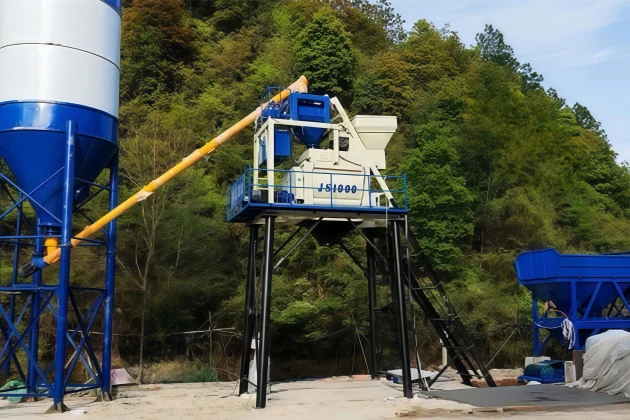
Stationäre Betonmischanlage
(Kübelaufzug)
Das Rückgrat von Mega-Projekten.
Kapazität: 25 – 200 m³/h
Modelle: HZS-Serie
Stationäre Betonmischanlage
(Bandförderer)
Das Rückgrat von Mega-Projekten.
Kapazität: 60 – 240 m³/h
Modelle: HZS-Serie
Mobile Betonmischanlage
Hohe Produktionsraten, überall dort, wo Sie sie brauchen.
Kapazität: 25 – 120 m³/h
Modelle: YHZS-Serie
Trockenmörtel-Betonmischanlage
Vielseitig, schnell und äußerst kosteneffizient.
Kapazität: 25 – 100 m³/h
Modelle: HZS-G-Serie
Fundamentfreie Betonmischanlage
Kleine Stellfläche, konzipiert für große Geschäfte.
Kapazität: 25 – 75 m³/h
Modelle: FHZS-Serie
Containerisierte Betonmischanlage
Kleine Stellfläche, konzipiert für große Geschäfte.
Kapazität: 60 – 180 m³/h
Modelle: HZS-C-Serie
ERFOLGREICHE PROJEKTE
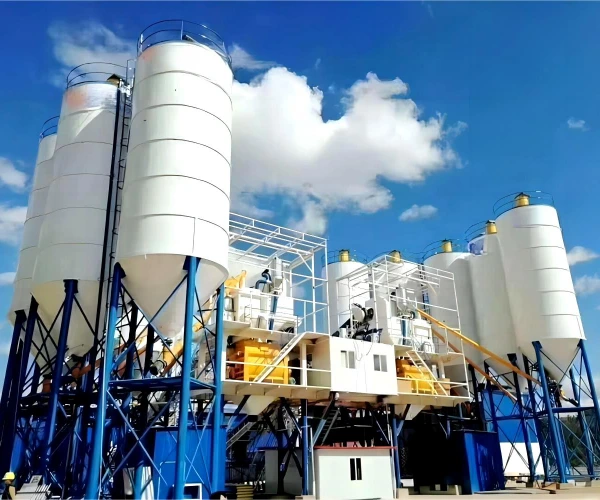
Hochvolumige kommerzielle RMC-Versorgung
- Standort: Philippinen
- Ausrüstung: Doppelte HZS120 Stationäre Betonmischanlagen
- Das Ergebnis: Um die massive tägliche Nachfrage eines schnell wachsenden Stadtzentrums zu decken, benötigte der Kunde eine unterbrechungsfreie Produktion. Unser Doppelanlagen-Setup mit vollautomatischer PLC-Synchronisation liefert über 200 m³/h, rund um die Uhr, ohne ungeplante Ausfallzeiten.
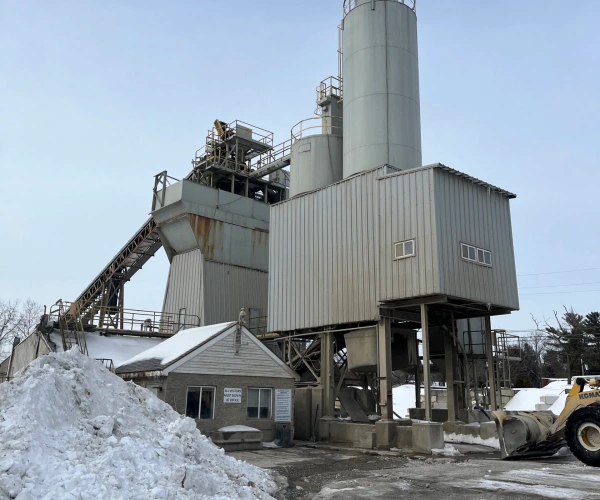
Infrastrukturprojekt unter extremen Klimabedingungen
- Standort: Usbekistan
- Ausrüstung: HZS90 mit Wintereinhausung und Heizsystem
- Das Ergebnis: Bei Betrieb unter subzero Temperaturen benötigte der Kunde eine zuverlässige Lösung, um das Einfrieren von Gesteinskörnungen zu verhindern. Wir lieferten eine vollständig verkleidete Anlage mit Dampfheizung, die eine nahtlose Fortsetzung des Autobahnbauprojekts während des strengen Winters ermöglichte.
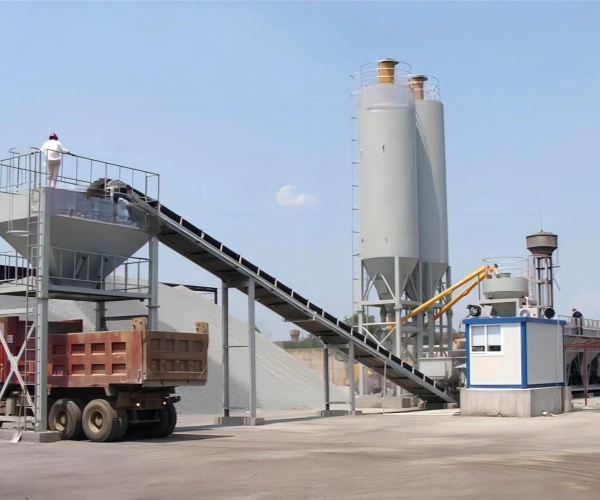
Hochpräziser Dammbau
- Standort: Kenia
- Ausrüstung: HZS180 mit Eis- und Mikrosilika-Dosierung
- Das Ergebnis: Der Dammbau erfordert eine strenge Kontrolle der Hydratationswärme des Betons. Wir integrierten ein spezielles Waagensystem für Scherbeneis und Planetenmischer, um die für dieses Megaprojekt erforderliche strukturelle Integrität sicherzustellen.