Prezzo dell'Impianto di Betonaggio – Quanto Costa Realmente nel 2026?
Quando pianifichi il tuo prossimo progetto di costruzione o attività commerciale di calcestruzzo preconfezionato, la prima e più critica domanda che ti porrai è: “Qual è il prezzo esatto dell'impianto di betonaggio?”
Una rapida ricerca online potrebbe mostrarti cifre che vanno da $20.000 a oltre $210.000 USD. Questo enorme divario non è un errore: riflette le vaste differenze in capacità produttiva, tipo di attrezzatura e livelli di automazione in tutto il settore.
Crediamo in prezzi trasparenti. Sebbene ogni impianto che produciamo sia progettato secondo le tue esigenze specifiche, comprendere il prezzo di base di un impianto di betonaggio è fondamentale per la tua pianificazione iniziale del budget.
Secondo un rapporto autorevole, si prevede che il mercato globale del calcestruzzo preconfezionato aumenterà da $1,4425 miliardi nel 2024 a $2,201 miliardi nel 2026. Ciò significa che l'intero settore dovrà affrontare una domanda in forte crescita nei prossimi anni, specialmente dai paesi in via di sviluppo. Quindi cogli questa grande opportunità per acquistare impianti di betonaggio a prezzi competitivi.
Ecco una visione realistica delle FOB (Franco a Bordo) fasce di prezzo delle attrezzature che puoi aspettarti collaborando con un produttore di prim'ordine:
- Prezzo dell'Impianto di Betonaggio Mini e Piccolo (25m³/h – 50m³/h):
Tipicamente varia da $15.000 a $45.000 USD. Queste unità estremamente convenienti sono perfette per lo sviluppo rurale, piccoli appaltatori o riparazioni stradali temporanee dove non è necessaria una produzione massiccia. - Impianti Commerciali di Media Capacità (60m³/h – 90m³/h):
Aspettati di pagare tra $45.000 e $80.000 USD. Questo è il “punto debole” per i fornitori di calcestruzzo preconfezionato di medie dimensioni che cercano un eccellente equilibrio tra costo e produzione continua e affidabile. - Prezzo dell'Impianto di Betonaggio per Calcestruzzo Preconfezionato Pesante (120m³/h – 240m³/h+):
Per mega-progetti infrastrutturali o grandi attività commerciali di RMC, gli impianti ad alta capacità generalmente partono da $90.000 USD e possono superare $200.000 USD a seconda di configurazioni avanzate come doppi miscelatori, silos extra o rivestimenti per condizioni climatiche estreme.
Nota Importante: Le cifre sopra rappresentano il prezzo della macchina di base. Se stai cercando l'investimento totale necessario per costruire un impianto completamente operativo (inclusi terreno, opere civili e flotte ausiliarie), leggi la nostra guida completa su [Costi di Installazione di un Impianto per Calcestruzzo Preconfezionato].
Listino Prezzi dell'Impianto di Betonaggio: Quale Modello si Adatta al Tuo Progetto?
Ecco una panoramica del prezzo dell'impianto di betonaggio per diversi modelli come riferimento:
Sviluppo rurale, piccoli progetti residenziali, riparazioni stradali temporanee.
Alimentazione a benna, altamente conveniente, impronta compatta.
Attività commerciali di calcestruzzo preconfezionato, autostrade, dighe, aeroporti.
Nastro trasportatore inclinato, mescolatore a doppio albero pesante, PLC completamente automatizzato, produzione continua ad alto volume.
Appaltatori a medio-breve termine, parchi eolici, progetti multi-sito.
Pre-cablato su telaio trainabile, implementazione rapida, nessuna fondazione civile richiesta.
Trasporto a lunga distanza, vaste aree geografiche, progetti di calcestruzzo di qualità inferiore.
Nessun mescolatore centrale, manutenzione estremamente bassa, dosaggio rapido direttamente nelle autobetoniere.
Spazi urbani ristretti, progetti che richiedono un rapido trasferimento ma impronte più piccole.
Design modulare, installato su terreno precompattato, notevoli risparmi sui lavori civili.
Fornitura commerciale urbana di fascia alta, zone ecologiche, mega-progetti all'estero.
Costruito in container standard da 40HQ, costo di spedizione internazionale più basso, struttura chiusa a polvere zero.
Impianti di Betonaggio in Vendita: Listino Prezzi 2026 per Tipo
Il prezzo di un impianto di betonaggio è fortemente determinato dalla sua struttura progettuale e mobilità. Una configurazione progettata per una fabbrica di prefabbricati permanente avrà una struttura di costo molto diversa da una progettata per la costruzione stradale temporanea.
Se stai cercando un affidabile impianto di betonaggio in vendita, ecco una ripartizione di cosa puoi aspettarti di investire nell'attuale mercato del 2026:
Prezzo dell'Impianto di Betonaggio per Calcestruzzo Preconfezionato Fisso ($25.000 – $210.000+)
- L'investimento: Gli impianti fissi sono cavalli di battaglia pesanti. Il prezzo della macchina di base è altamente competitivo, a partire da circa $25.000 per un sistema da 60m³/h. Tuttavia, il limite superiore può facilmente superare $250.000 per enormi hub commerciali con doppio miscelatore da 210m³/h dotati di avanzati involucri ambientali.
- Perché Acquistarlo: Offrono il costo per metro cubo più basso nell'arco di un decennio di utilizzo continuo. Se stai costruendo un'attività commerciale permanente di RMC, questa è la tua scelta più redditizia a lungo termine.
Prezzo dell'Impianto di Betonaggio Mobile ($35.000 – $120.000)
- L'investimento: Il prezzo iniziale dell'impianto di betonaggio mobile è tipicamente dal 15% al 30% superiore rispetto a un impianto fisso della stessa identica capacità. Ad esempio, un'unità mobile YHZS60 (60m³/h) molto popolare costa generalmente tra $60.000 e $85.000.
- Perché Acquistarlo: Stai pagando un premio per l'agilità. Poiché tutti i componenti sono precablati su un telaio trainabile, risparmi decine di migliaia di dollari su profonde fondazioni civili in calcestruzzo e riduci significativamente i tempi di installazione da settimane a giorni. È una scelta con un forte ROI per appaltatori a breve termine per appaltatori a breve termine.
Prezzo dell'Impianto di Betonaggio Piccolo e Mini ($15.000 – $45.000)
- L'investimento: Se il tuo progetto richiede da 25m³/h a 35m³/h, un prezzo di un piccolo impianto di betonaggio è estremamente economico. Questi spesso utilizzano un semplice sistema di sollevamento a benna (skip-hoist) anziché un lungo e costoso nastro trasportatore.
- Perché Acquistarlo: Perfetto per lo sviluppo rurale, piccoli progetti abitativi o mercati emergenti dove lo spazio è limitato e non è disponibile un enorme capitale iniziale.
I seguenti sono i parametri specifici del nostro impianto di betonaggio fisso (a benna e a nastro trasportatore), impianto di betonaggio mobile, impianto di betonaggio a secco e impianto di betonaggio compatto (senza fondazioni e containerizzato). Abbiamo 6 tipi di impianti di betonaggio. Se sei interessato agli impianti di betonaggio che consegniamo, puoi leggere impianto di betonaggio per trovare il prodotto desiderato.
Tipo mobile vs. fisso: A parità di capacità, il prezzo dell'impianto di betonaggio mobile è generalmente più alto di quello fisso perché la loro portabilità e flessibilità consentono un facile trasferimento e adattabilità a vari cantieri. La mobilità comporta un'ingegneria e caratteristiche avanzate che facilitano un setup e un funzionamento rapidi, il che giustifica il costo più elevato.
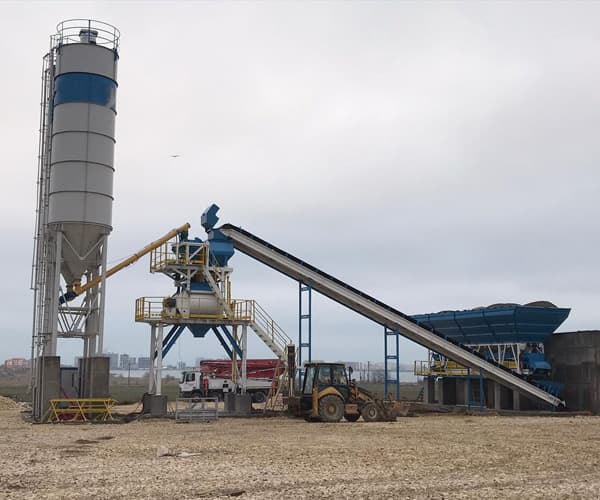
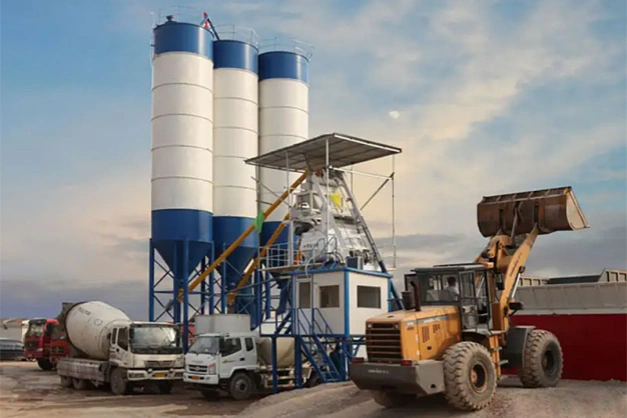
Impianto di betonaggio fisso
La spina dorsale dei mega-progetti.
Capacità: 25 – 240 m³/h (Modelli: Serie HZS)
Progettati per infrastrutture massive e a lungo termine e operazioni commerciali di preconfezionato. Disponibili sia in design a benna saltante che risparmiano spazio, sia in configurazioni a nastro trasportatore ad alta capacità continua per adattarsi perfettamente al layout del tuo cantiere.
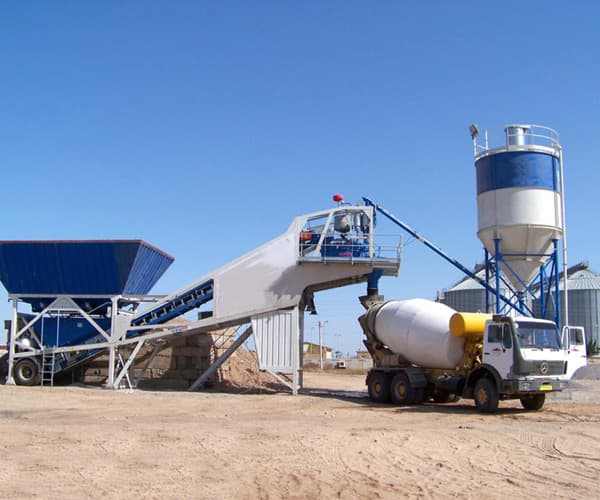
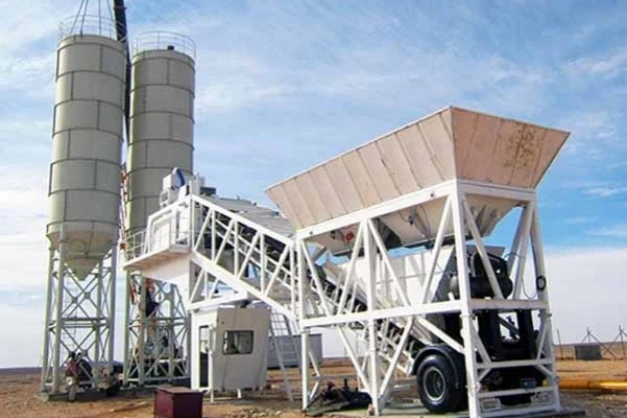
Impianto di betonaggio mobile
Alti tassi di produzione, ovunque tu ne abbia bisogno.
Capacità: 25 – 120 m³/h (Modelli: Serie YHZS)
Progettati per la massima mobilità. Tutti i componenti principali sono precablati su un telaio trasportabile, consentendo un montaggio e una rilocazione rapidi senza alcun lavoro di fondazione civile.
Tipo a umido vs. a secco: Il prezzo dell'impianto di betonaggio a umido è più alto a causa della necessità di attrezzature più complesse che facilitano la miscelazione approfondita di acqua e additivi direttamente nel calcestruzzo prima che venga spedito. Questo processo richiede macchinari aggiuntivi, come betoniere e sistemi di dosaggio dell'acqua, che contribuiscono alla spesa complessiva.
Gli impianti a secco, pur essendo generalmente meno costosi, potrebbero non offrire lo stesso livello di consistenza e controllo sul processo di miscelazione del calcestruzzo. Pertanto, se non hai esigenze di calcestruzzo di alta qualità, gli impianti a secco sarebbero una scelta preferibile.
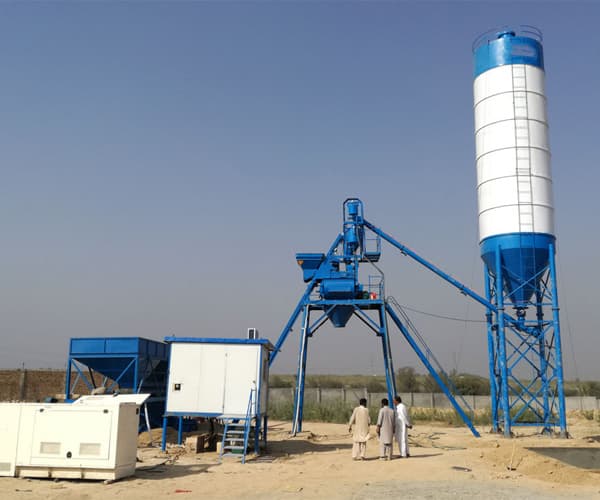
Impianto di betonaggio per calcestruzzo umido
Omogeneità perfetta dall'inizio alla fine.
Capacità: 25 – 240 m³/h (Modelli: Serie HZS)
Dotato di mescolatori a doppio albero pesanti o planetari centrali. Questi impianti garantiscono calcestruzzo ad alta resistenza perfettamente miscelato prima dello scarico, essenziale per elementi prefabbricati e infrastrutture con specifiche rigorose.
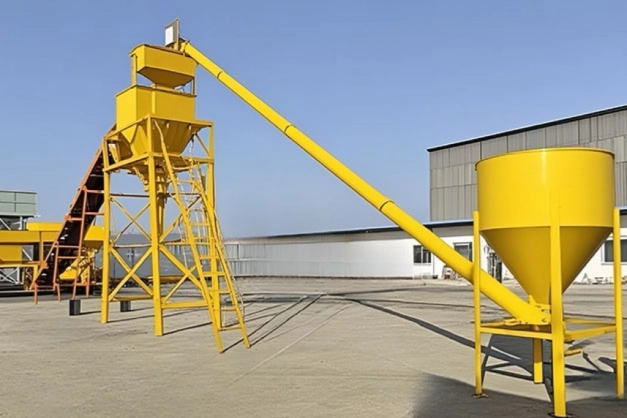
Impianto di betonaggio per calcestruzzo secco
Versatile, veloce e altamente conveniente.
Capacità: 25 – 100 m³/h (Modelli: Serie HZS-G)
Per progetti in cui il calcestruzzo viene miscelato nell'autobetoniera. Senza mescolatore centrale, questi impianti offrono cicli di betonaggio rapidi, manutenzione estremamente bassa e produzione ad alto volume per il trasporto a lunga distanza.
Tipo compatto: Gli impianti di betonaggio di tipo compatto rappresentano un'altra opzione economica per esigenze specifiche. Sono progettati per occupare uno spazio minimo pur fornendo capacità produttive efficienti. Il loro design compatto riduce la necessità di fondazioni estese e lavori civili, abbassando così i costi di installazione.
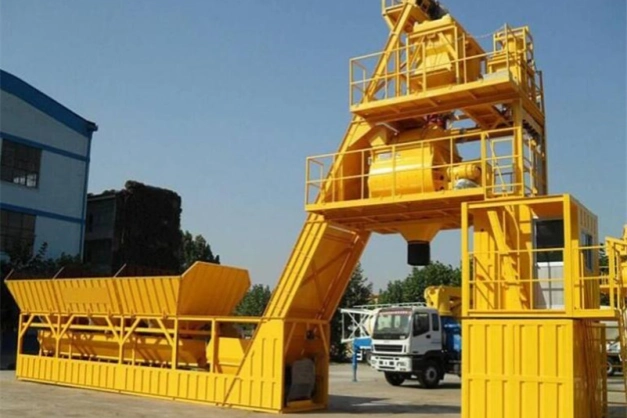
Impianto di Betonaggio Senza Fondazione
Un'impronta ridotta progettata per grandi affari.
Capacità: 25 – 75 m³/h (Modelli: Serie FHZS)
Integrando design containerizzati e senza fondazioni, i nostri impianti compatti sono ottimizzati per spazi limitati e spedizioni internazionali economiche, offrendo al contempo prestazioni di miscelazione all'avanguardia.
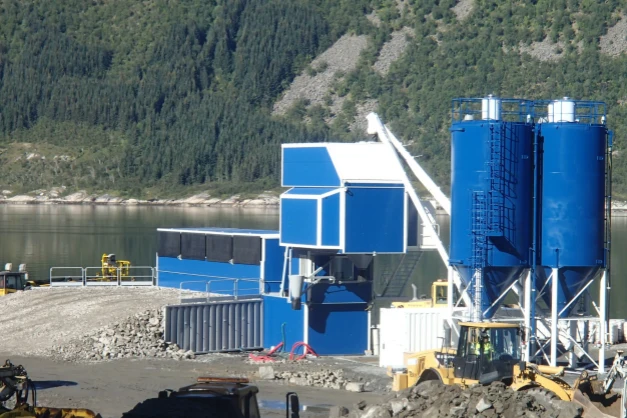
Impianto di Betonaggio Containerizzato
Un'impronta ridotta progettata per grandi affari.
Capacità: 60 – 180 m³/h (Modelli: Serie HZS-C)
Integrando design containerizzati e senza fondazioni, i nostri impianti compatti sono ottimizzati per spazi limitati e spedizioni internazionali economiche, offrendo al contempo prestazioni di miscelazione all'avanguardia.
Fattori Chiave che Determinano il Prezzo dell'Impianto di Betonaggio
Quando confronti i preventivi di diversi fornitori, potresti notare una differenza da $10.000 a $30.000 per impianti con la stessa identica capacità teorica (es. 60m³/h). Perché il prezzo dell'impianto di betonaggio varia così tanto?
Il costo finale non è mai solo una questione di acciaio grezzo. È determinato dalla qualità di produzione, dalla complessità della configurazione e dall'affidabilità a lungo termine integrata nel sistema. Conoscere questi fattori ti aiuterà a selezionare l'attrezzatura giusta senza spendere troppo:
Materie Prime e Processo di Produzione
La struttura principale di un impianto di betonaggio si basa fortemente sull'acciaio industriale. Pertanto, i costi globali dell'acciaio influiscono direttamente sul prezzo dell'attrezzatura. Tuttavia, ciò che distingue veramente un impianto premium da uno economico è la complessità di produzione.
- La Nostra Differenza: Processi avanzati come la saldatura CNC di precisione, spesse piastre in acciaio resistente all'usura e una rigorosa sabbiatura con trattamenti antiruggine a doppia epossidica aumentano i costi di produzione ma migliorano drasticamente la durata e la vita utile del tuo impianto.
Livello di Automazione
Sebbene i sistemi di controllo completamente automatici rappresentino un investimento iniziale più elevato nel costo del tuo impianto di betonaggio, sono il moltiplicatore di ROI definitivo.
- Il Fattore ROI: Il passaggio a un sistema PLC di alto livello (come Siemens o Schneider) ottimizza le operazioni, riduce al minimo l'errore umano e può ridurre significativamente i costi di manodopera a lungo termine. Un impianto manuale o semiautomatico è più economico inizialmente, ma molto più costoso da gestire nel tempo.
Configurazione principale: miscelatori e tramogge per aggregati
I componenti specifici che scegli determinano direttamente le capacità del tuo impianto e il suo prezzo finale.
- Tipo di Mescolatore: I miscelatori standard a doppio albero sono cavalli di battaglia convenienti. Il passaggio a un miscelatore planetario ad alta intensità (richiesto per il calcestruzzo preconfezionato a zero slump) richiede un budget più elevato.
- Dosatore per aggregati: Una configurazione standard a 2 o 3 tramogge è conveniente. Se il tuo progetto richiede progetti di miscela complessi che necessitano da 4 a 6 tramogge separate per aggregati, il prezzo aumenterà a causa dell'acciaio extra, delle valvole pneumatiche e delle celle di carico ad alta precisione.
Personalizzazioni aggiuntive e aggiornamenti ecologici
L'edilizia moderna richiede spesso una rigorosa conformità alle normative ambientali.
- Aggiunte che influenzano il prezzo: L'aggiunta di sistemi di raccolta delle polveri a getto d'aria per emissioni zero, l'installazione dell'aria condizionata nella sala di controllo o l'aggiunta di sistemi specializzati per il dosaggio di ghiaccio/microsilice aumenteranno naturalmente il prezzo finale dell'impianto di betonaggio.
Reputazione del marchio e assistenza post-vendita
Produttori rinomati come il nostro spesso applicano un giusto sovrapprezzo rispetto a officine locali sconosciute. Perché? Perché stai acquistando tranquillità.
- Il valore nascosto: Un prezzo iniziale leggermente più alto include una comprovata esperienza, garanzie complete, accesso rapido a ricambi originali e accesso a tecnici specializzati per la guida all'installazione in loco per l'installazione e la formazione.
Oltre al prezzo della macchina – altri costi da considerare
Mentre il prezzo iniziale dell'impianto di betonaggio copre le attrezzature di produzione principali (come dettagliato sopra), gestire un'attività di calcestruzzo di successo implica una pianificazione finanziaria più ampia. Analogamente alla creazione di qualsiasi grande impianto industriale, il tuo budget totale deve tenere conto delle spese operative e di allestimento.
Se stai calcolando il tuo investimento totale, tieni a mente queste quattro categorie essenziali:
- Scala dell'area di copertura e lavori civili:
L'impronta fisica del tuo impianto è importante. Un impianto mobile compatto non richiede quasi fondamenta, risparmiando capitale iniziale. Tuttavia, un grande impianto fisso richiede l'affitto o l'acquisto di un appezzamento di terreno sostanzioso e un investimento significativo in robuste fondamenta in calcestruzzo prima che i macchinari possano essere eretti. - Materie Prime:
La più alta spesa continua nella produzione di calcestruzzo non è la macchina, ma il consumo quotidiano di cemento, sabbia, ghiaia e additivi chimici. (Questo è esattamente il motivo per cui investire in un impianto completamente automatizzato di prezzo più elevato con una precisione di pesatura di ±1% noi ti fa risparmiare enormi quantità di denaro a lungo termine). - Manodopera operativa e flotta:
Mentre un sistema PLC premium riduce il personale in sala di controllo, la gestione di un impianto commerciale richiede ancora un abile conducente di pale, tecnici di manutenzione e una flotta di autobetoniere o pompe per calcestruzzo per consegnare il tuo prodotto. - Elettricità, acqua e manutenzione:
I miscelatori pesanti a doppio albero consumano notevole energia industriale e acqua. Inoltre, devi preventivare parti di manutenzione ordinaria come pale miscelatrici, rivestimenti e nastri trasportatori per prevenire costosi tempi di fermo.
Vuoi vedere una ripartizione dettagliata di queste spese operative?
Immergiti nella nostra guida completa per investitori: [Costo di allestimento dell'impianto di calcestruzzo preconfezionato e calcolo del ROI].
Comprensione dei prezzi FOB, CIF e di spedizione
Quando ricevi un preventivo di prezzo per un impianto di betonaggio da un produttore globale come il nostro, è essenziale capire esattamente cosa è incluso. Le vendite internazionali di macchinari utilizzano tipicamente termini commerciali standard (Incoterms) che stabiliscono chi copre i costi di spedizione e assicurazione.
Ecco come leggere il tuo preventivo per evitare sorprese nascoste:
Il costo base della macchina: prezzo FOB
- Cosa significa: “Free On Board” (Franco a bordo). Il prezzo che vedi quotato online o nelle nostre proposte iniziali è solitamente il prezzo FOB. Questo copre la produzione dell'impianto e il suo trasporto al porto di partenza designato in Cina (ad esempio, Qingdao o Shanghai).
- Cosa NON è incluso: Trasporto marittimo attraverso il mondo, assicurazione marittima e dazi all'importazione nel tuo paese d'origine.
Il costo consegnato: prezzo CIF
- Cosa significa: “Cost, Insurance, and Freight” (Costo, assicurazione e nolo). Se richiedi un preventivo CIF, gestiamo tutto fino all'arrivo dell'impianto al tuo porto di destinazione (ad esempio, Mombasa, Manila o Sydney).
- Perché scegliere CIF: Offre tranquillità. Sai esattamente quanto costerà l'impianto per arrivare alle tue coste, proteggendoti da improvvisi aumenti delle tariffe di trasporto marittimo. Il nostro esperto team logistico negozia le migliori tariffe per container per tuo conto.
Come ottimizziamo il prezzo di spedizione
- Il trasporto marittimo per macchinari pesanti può essere incredibilmente costoso se non progettato correttamente. Un impianto mal progettato potrebbe richiedere cinque container High Cube da 40 piedi (40HQ), aggiungendo immediatamente migliaia di dollari al costo finale del tuo impianto di betonaggio.
Progettiamo per un impatto logistico minimo:
- Modularità containerizzata: Progettiamo i nostri impianti fissi e compatti per adattarsi perfettamente ai container standard 40HQ. I nostri silos per cemento imbullonati (anziché quelli completamente saldati) fanno risparmiare enormi quantità di volume di spedizione, abbassando significativamente il prezzo finale sbarcato.
- Zero parti mancanti: Ogni componente è preassemblato, testato e meticolosamente imballato nella nostra fabbrica. Ciò garantisce il massimo utilizzo del container e garantisce che nulla vada perso durante il trasporto.
Hai bisogno di un costo di consegna preciso per il tuo paese?
Contattaci con la tua capacità target e il porto di destinazione. Il nostro team logistico fornirà un preventivo CIF completo entro 24 ore. ottieni ora il preventivo CIF.
Ogni investitore vuole il miglior affare possibile. Tuttavia, inseguire ciecamente il prezzo più basso per un impianto di betonaggio di solito porta all'acquisto di attrezzature inferiori e soggette a guasti. Per risparmiare veramente senza compromettere la qualità, segui queste strategie di acquisto intelligenti:
Ogni investitore vuole il miglior affare possibile. Tuttavia, inseguire ciecamente il prezzo più basso per un impianto di betonaggio di solito porta ad acquistare attrezzature inferiori e soggette a guasti. Per risparmiare davvero senza compromettere la qualità, segui queste strategie di acquisto intelligenti:
Dimensionare correttamente la capacità e la configurazione
Non sovradimensionare il tuo impianto. Valuta il volume giornaliero esatto di calcestruzzo di cui hai bisogno e il tipo specifico di miscela richiesto.
- Il trucco per risparmiare: Se il tuo progetto richiede solo 60 m³/h, acquistare un impianto da 120 m³/h spreca capitale. Allo stesso modo, se produci solo calcestruzzo commerciale standard (C20-C40), un robusto mescolatore a doppio albero è molto conveniente; non c'è bisogno di spendere troppo per un mescolatore planetario di fascia alta, a meno che tu non stia realizzando elementi prefabbricati con specifiche rigorose.
Negoziare il “valore del pacchetto” invece del solo prezzo
Quando confronti i preventivi di diversi produttori, non guardare solo il totale finale. Guarda cosa è incluso.
- Il trucco per risparmiare: Invece di contrattare aggressivamente sul prezzo dell'acciaio, negozia per servizi in pacchetto che ti faranno risparmiare denaro in seguito. Ad esempio, le nostre quotazioni premium includono automaticamente un kit di avviamento con pezzi di ricambio e supporto per la messa in servizio da remoto. Questo ti fa risparmiare migliaia di dollari nella manutenzione iniziale ed elimina il mal di testa di dover reperire localmente parti mancanti.
Investire nell'automazione per ridurre i costi di manodopera
Un impianto economico e semimanuale potrebbe sembrare un ottimo affare sulla carta, ma aumenterà i costi operativi mensili attraverso buste paga e spreco di materiali.
- Il trucco per risparmiare: Spendere un po' di più in anticipo per un sistema PLC completamente automatizzato di prim'ordine (come Siemens o Schneider) è il modo definitivo per risparmiare denaro. Semplifica le operazioni, previene errori dell'operatore e può ridurre i costi di manodopera a lungo termine fino al 60%, accelerando significativamente il ROI del tuo impianto.
Pianificare la crescita con design modulari
Se il tuo budget iniziale è limitato, non forzarti ad acquistare un impianto sovradimensionato che mette a dura prova le tue finanze.
- Il trucco per risparmiare: Investi in un impianto di betonaggio modulare che progettiamo. Puoi iniziare con una configurazione di base (ad esempio, un mescolatore a doppio albero da 60 m³/h con due silos per cemento) per ridurre al minimo il costo iniziale dell'impianto di betonaggio. Man mano che la tua attività cresce e vinci contratti più grandi, il nostro design modulare ti permette di aggiungere facilmente silos extra, espandere le tramogge degli aggregati o integrare sistemi di raffreddamento avanzati in seguito, senza dover acquistare un impianto completamente nuovo.
Prezzo dell'impianto di betonaggio nuovo vs. usato – Qual è l'investimento migliore?
Quando si lavora con un budget limitato, cercare un “impianto di betonaggio usato in vendita” vicino a te potrebbe sembrare la mossa finanziaria più intelligente. Tuttavia, confrontare il prezzo iniziale di un impianto di betonaggio usato con un nostro impianto nuovo importato spesso rivela una realtà sorprendente sulla redditività a lungo termine.
Prima di acquistare attrezzature di seconda mano, considera questi costi nascosti e rischi operativi:
L'illusione di un prezzo iniziale più basso
- La trappola: Un impianto usato da un appaltatore locale o da un'asta potrebbe avere un prezzo di listino interessante. Tuttavia, stai ereditando macchinari pesantemente usurati di qualcun altro.
- La nostra realtà: Grazie alla nostra enorme scala produttiva e alla catena di fornitura ottimizzata, il prezzo FOB di un nostro impianto di betonaggio nuovo (con automazione moderna e zero usura) è altamente competitivo a livello globale. Spesso, importare un impianto nuovo e altamente efficiente dalla nostra fabbrica costa sorprendentemente vicino—o addirittura meno—di un impianto ristrutturato di decenni fa in mercati come Australia, Regno Unito o Nord America.
Incubi di manutenzione vs. tranquillità della garanzia
- La trappola: Gli impianti usati vengono venduti “come sono”, senza alcuna garanzia. Sostituire un albero del mescolatore incrinato o un pannello di controllo obsoleto e bruciato cancellerà istantaneamente i soldi risparmiati sul prezzo di acquisto. Trovare pezzi di ricambio per modelli obsoleti è incredibilmente difficile e costoso.
- I Nostri Realtà: Ogni nostro nuovo impianto viene fornito con una garanzia completa del produttore. Ancora più importante, spediamo il tuo impianto con un pacchetto completo di pezzi di ricambio originali (rivestimenti, pale, valvole pneumatiche). Ottieni affidabilità garantita e una durata di vita di 10-15 anni fin dalla prima messa in funzione, con supporto tecnico 24/7 dai nostri ingegneri.
Efficienza produttiva e tecnologia
- La trappola: Gli impianti più vecchi utilizzano sistemi di pesatura obsoleti e imprecisi e controlli manuali lenti. Sprecherai tonnellate di cemento a causa della scarsa precisione del dosaggio (ad esempio, margini di errore del ±3%).
- I Nostri Realtà: I nostri nuovi impianti sono dotati di PLC Siemens/Schneider all'avanguardia con compensazione dinamica dell'umidità e una rigorosa precisione di pesatura del ±1%. Il solo risparmio di materiale da un nostro impianto altamente automatizzato fornirà forti risparmi di materiale a lungo termine.
La conclusione
Mentre un impianto usato può sembrare più economico oggi, i continui guasti, il software obsoleto e l'eccessivo spreco di materiale lo rendono un investimento rischioso. Scegliendo un impianto di betonaggio nuovo in vendita da noi, ottieni tecnologia all'avanguardia, tempi di attività garantiti e supporto di garanzia globale—offrendo un ROI significativamente più alto per la tua attività.
Riduci il rischio per il tuo progetto con macchinari di seconda mano.
Contattaci oggi per vedere quanto possa essere conveniente un impianto di betonaggio nuovo e ad alte prestazioni per la tua regione!
Tendenze dei prezzi degli impianti di betonaggio (prospettive 2026-2027)
Comprendere come il prezzo dell'impianto di betonaggio si stia evolvendo a livello globale è cruciale per effettuare investimenti tempestivi e convenienti. Se stai pianificando di acquistare un impianto nei prossimi 12-18 mesi, ecco le principali tendenze macroeconomiche che stanno plasmando il mercato:
La volatilità delle materie prime richiede un'azione tempestiva
- La tendenza: L'acciaio costituisce oltre il 40% dei componenti meccanici in un impianto di betonaggio. Negli ultimi due anni, i prezzi globali dell'acciaio e dei componenti elettronici sono stati altamente volatili.
- L'impatto sul prezzo: Se i costi dei materiali rimangono elevati, gli analisti del settore prevedono che i prezzi base degli impianti aumenteranno di circa dal 4% al 7% all'anno.
- I Nostri Consiglio: Ritardare l'acquisto probabilmente ti costerà di più. Raccomandiamo vivamente di assicurarti un contratto di blocco del prezzo con noi nelle prime fasi di pianificazione del progetto per mitigare le future fluttuazioni dei costi.
Lo spostamento verso configurazioni energeticamente efficienti
- La tendenza: Con l'aumento dei costi energetici globali, gli appaltatori si stanno allontanando dai motori standard e richiedono impianti ad alta efficienza.
- L'impatto sul prezzo: Dotare il tuo impianto di motori VFD (azionamento a frequenza variabile), mescolatori planetari a basso consumo e silos completamente isolati aggiunge circa dall'8% al 12% al prezzo di acquisto iniziale. Tuttavia, questo aggiornamento ecologico può ridurre i costi annuali dell'elettricità operativa fino al 15%, ripagandosi rapidamente in operazioni ad alta intensità energetica.
Premi per la Conformità Regionale
- La tendenza: Il paese di destinazione determina fortemente la configurazione finale e il costo dell'attrezzatura.
- L'impatto sul prezzo: Se stai importando un impianto in mercati avanzati e strettamente regolamentati come Australia, Europa o Nord America, aspettati un premio sul prezzo dal 10% al 15%. Questo perché l'impianto deve essere aggiornato con componenti elettrici certificati CE, collettori di polvere a getto d'impulso attivi e involucri di sicurezza avanzati per soddisfare le leggi ambientali locali.
- I Nostri Consiglio: Possediamo già le certificazioni CE, ISO e SGS complete. Costruiamo impianti conformi per queste regioni avanzate ogni giorno, assicurandoti di non affrontare mai respingimenti doganali o fermi cantiere.
Perché Collaborare con CCS Garantisce il Miglior Prezzo e Valore per l'Impianto di Betonaggio
Trovare il prezzo più basso per un impianto di betonaggio su internet è facile. Ma trovare un produttore affidabile e certificato a livello internazionale che offra qualità senza compromessi, prezzi trasparenti e redditività a lungo termine è la vera sfida.
Come produttore professionale con oltre 32 anni di esperienza globale, CCS ha guadagnato la fiducia di appaltatori di alto livello in mercati esigenti come il Sud-est asiatico, il Medio Oriente, l'Africa e l'Australia. Ecco come massimizziamo il tuo investimento:
- Prezzi Diretti dalla Fabbrica con Zero Commissioni Nascoste:
Non siamo intermediari. Stai acquistando direttamente dal nostro impianto di produzione all'avanguardia. Ogni preventivo che forniamo è completamente dettagliato e trasparente. Saprai esattamente per cosa stai pagando: i macchinari principali, gli aggiornamenti opzionali e i costi di spedizione fino al tuo porto locale. - Soluzioni Personalizzate per Evitare Spese Eccessive:
Ogni progetto è unico. I nostri ingegneri non ti spingeranno mai ad acquistare un impianto sovradimensionato. Lavoriamo a stretto contatto con te per progettare una configurazione su misura—che sia un'unità mobile compatta o un impianto fisso con doppio mescolatore—che si allinei perfettamente alle tue effettive esigenze di produzione e ai vincoli di budget. - Supporto Globale Chiavi in Mano:
Il prezzo elencato è solo l'inizio. Proteggiamo il tuo investimento inviando tecnici esperti sul tuo sito per la guida alle fondazioni, l'installazione delle attrezzature e la formazione degli operatori. Combinato con la nostra diagnostica PLC remota 24/7 e la fornitura rapida di ricambi, garantiamo che il tuo impianto supporti un funzionamento affidabile a lungo termine.
Quando pianifichi il tuo prossimo progetto di costruzione o attività commerciale di calcestruzzo preconfezionato, la prima e più critica domanda che ti porrai è: “Qual è il prezzo esatto dell'impianto di betonaggio?”
Una rapida ricerca online potrebbe mostrarti cifre che vanno da $20.000 a oltre $210.000 USD. Questo enorme divario non è un errore: riflette le vaste differenze in capacità produttiva, tipo di attrezzatura e livelli di automazione in tutto il settore.
Crediamo in prezzi trasparenti. Sebbene ogni impianto che produciamo sia progettato secondo le tue esigenze specifiche, comprendere il prezzo di base di un impianto di betonaggio è fondamentale per la tua pianificazione iniziale del budget.
Secondo un rapporto autorevole, si prevede che il mercato globale del calcestruzzo preconfezionato aumenterà da $1,4425 miliardi nel 2024 a $2,201 miliardi nel 2026. Ciò significa che l'intero settore dovrà affrontare una domanda in forte crescita nei prossimi anni, specialmente dai paesi in via di sviluppo. Quindi cogli questa grande opportunità per acquistare impianti di betonaggio a prezzi competitivi.
Ecco una visione realistica delle FOB (Franco a Bordo) fasce di prezzo delle attrezzature che puoi aspettarti collaborando con un produttore di prim'ordine:
- Prezzo dell'Impianto di Betonaggio Mini e Piccolo (25m³/h – 50m³/h):
Tipicamente varia da $15.000 a $45.000 USD. Queste unità estremamente convenienti sono perfette per lo sviluppo rurale, piccoli appaltatori o riparazioni stradali temporanee dove non è necessaria una produzione massiccia. - Impianti Commerciali di Media Capacità (60m³/h – 90m³/h):
Aspettati di pagare tra $45.000 e $80.000 USD. Questo è il “punto debole” per i fornitori di calcestruzzo preconfezionato di medie dimensioni che cercano un eccellente equilibrio tra costo e produzione continua e affidabile. - Prezzo dell'Impianto di Betonaggio per Calcestruzzo Preconfezionato Pesante (120m³/h – 240m³/h+):
Per progetti di mega-infrastrutture o grandi imprese RMC commerciali, gli impianti ad alta capacità partono generalmente da $90.000 USD e possono superare $200.000 USD a seconda di configurazioni avanzate come doppi miscelatori, silos aggiuntivi o rivestimenti per condizioni climatiche estreme. Tra questi, il 120 m³/h (HZS120) è il punto di ingresso più popolare nella produzione commerciale, con prezzi che vanno tipicamente da $90.000 a $160.000 USD — consulta la nostra guida completa Guida ai prezzi dell'impianto di betonaggio HZS120 → per specifiche dettagliate, piani di carico container e analisi del ROI. Per i progetti più grandi, il HZS240 offre la massima produzione per una fornitura continua su scala mega.
Nota Importante: Le cifre sopra rappresentano il prezzo della macchina di base. Se stai cercando l'investimento totale necessario per costruire un impianto completamente operativo (inclusi terreno, opere civili e flotte ausiliarie), leggi la nostra guida completa su [Costi di Installazione di un Impianto per Calcestruzzo Preconfezionato].
Listino Prezzi dell'Impianto di Betonaggio: Quale Modello si Adatta al Tuo Progetto?
Ecco una panoramica del prezzo dell'impianto di betonaggio per calcestruzzo per diversi modelli come riferimento:
Sviluppo rurale, piccoli progetti residenziali, riparazioni stradali temporanee.
Alimentazione a benna, altamente conveniente, impronta compatta.
Attività commerciali di calcestruzzo preconfezionato, autostrade, dighe, aeroporti.
Nastro trasportatore inclinato, mescolatore a doppio albero pesante, PLC completamente automatizzato, produzione continua ad alto volume.
Appaltatori a medio-breve termine, parchi eolici, progetti multi-sito.
Pre-cablato su telaio trainabile, implementazione rapida, nessuna fondazione civile richiesta.
Trasporto a lunga distanza, vaste aree geografiche, progetti di calcestruzzo di qualità inferiore.
Nessun mescolatore centrale, manutenzione estremamente bassa, dosaggio rapido direttamente nelle autobetoniere.
Spazi urbani ristretti, progetti che richiedono un rapido trasferimento ma impronte più piccole.
Design modulare, installato su terreno precompattato, notevoli risparmi sui lavori civili.
Fornitura commerciale urbana di fascia alta, zone ecologiche, mega-progetti all'estero.
Costruito in container standard da 40HQ, costo di spedizione internazionale più basso, struttura chiusa a polvere zero.
Impianto di Betonaggio in Vendita: Listino Prezzi 2026 per Tipo
Il prezzo di un impianto di betonaggio è fortemente determinato dalla sua struttura progettuale e mobilità. Una configurazione progettata per una fabbrica di prefabbricati permanente avrà una struttura di costo molto diversa da una progettata per la costruzione stradale temporanea.
Se stai cercando un affidabile impianto di betonaggio in vendita, ecco una ripartizione di cosa puoi aspettarti di investire nell'attuale mercato del 2026:
Prezzo dell'Impianto di Betonaggio per Calcestruzzo Preconfezionato Fisso ($25.000 – $210.000+)
- L'investimento: Gli impianti fissi sono cavalli di battaglia pesanti. Il prezzo della macchina di base è altamente competitivo, a partire da circa $25.000 per un sistema da 60m³/h. Tuttavia, il limite superiore può facilmente superare $250.000 per enormi hub commerciali con doppio miscelatore da 210m³/h dotati di avanzati involucri ambientali.
- Perché Acquistarlo: Offrono il costo per metro cubo più basso nell'arco di un decennio di utilizzo continuo. Se stai costruendo un'attività commerciale permanente di RMC, questa è la tua scelta più redditizia a lungo termine.
Prezzo dell'Impianto di Betonaggio Mobile ($35.000 – $120.000)
- L'investimento: Il prezzo iniziale dell'impianto di betonaggio mobile è tipicamente dal 15% al 30% superiore rispetto a un impianto fisso della stessa identica capacità. Ad esempio, un'unità mobile YHZS60 (60m³/h) molto popolare costa generalmente tra $60.000 e $85.000.
- Perché Acquistarlo: Stai pagando un premio per l'agilità. Poiché tutti i componenti sono precablati su un telaio trainabile, risparmi decine di migliaia di dollari su profonde fondazioni civili in calcestruzzo e riduci significativamente i tempi di installazione da settimane a giorni. È una scelta con un forte ROI per appaltatori a breve termine per appaltatori a breve termine.
Prezzo dell'Impianto di Betonaggio Piccolo e Mini ($15.000 – $45.000)
- L'investimento: Se il tuo progetto richiede da 25m³/h a 35m³/h, un prezzo di un piccolo impianto di betonaggio è estremamente economico. Questi spesso utilizzano un semplice sistema di sollevamento a benna (skip-hoist) anziché un lungo e costoso nastro trasportatore.
- Perché Acquistarlo: Perfetto per lo sviluppo rurale, piccoli progetti abitativi o mercati emergenti dove lo spazio è limitato e non è disponibile un enorme capitale iniziale.
I seguenti sono i parametri specifici del nostro impianto di betonaggio fisso (a benna e a nastro trasportatore), impianto di betonaggio mobile, impianto di betonaggio a secco e impianto di betonaggio compatto (senza fondazioni e containerizzato). Abbiamo 6 tipi di impianti di betonaggio. Se sei interessato agli impianti di betonaggio che consegniamo, puoi leggere impianto di betonaggio per trovare il prodotto desiderato.
Tipo mobile vs. fisso: A parità di capacità, il prezzo dell'impianto di betonaggio mobile è generalmente più alto di quello fisso perché la loro portabilità e flessibilità consentono un facile trasferimento e adattabilità a vari cantieri. La mobilità comporta un'ingegneria e caratteristiche avanzate che facilitano un setup e un funzionamento rapidi, il che giustifica il costo più elevato.
Impianto di betonaggio fisso
La spina dorsale dei mega-progetti.
Capacità: 25 – 240 m³/h (Modelli: Serie HZS)
Progettati per infrastrutture massive e a lungo termine e operazioni commerciali di preconfezionato. Disponibili sia in design a benna saltante che risparmiano spazio, sia in configurazioni a nastro trasportatore ad alta capacità continua per adattarsi perfettamente al layout del tuo cantiere.
Impianto di betonaggio mobile
Alti tassi di produzione, ovunque tu ne abbia bisogno.
Capacità: 25 – 120 m³/h (Modelli: Serie YHZS)
Progettati per la massima mobilità. Tutti i componenti principali sono precablati su un telaio trasportabile, consentendo un montaggio e una rilocazione rapidi senza alcun lavoro di fondazione civile.
Tipo a umido vs. a secco: Il prezzo dell'impianto di betonaggio a umido è più alto a causa della necessità di attrezzature più complesse che facilitano la miscelazione approfondita di acqua e additivi direttamente nel calcestruzzo prima che venga spedito. Questo processo richiede macchinari aggiuntivi, come betoniere e sistemi di dosaggio dell'acqua, che contribuiscono alla spesa complessiva.
Gli impianti a secco, pur essendo generalmente meno costosi, potrebbero non offrire lo stesso livello di consistenza e controllo sul processo di miscelazione del calcestruzzo. Pertanto, se non hai esigenze di calcestruzzo di alta qualità, gli impianti a secco sarebbero una scelta preferibile.
Impianto di betonaggio per calcestruzzo umido
Omogeneità perfetta dall'inizio alla fine.
Capacità: 25 – 240 m³/h (Modelli: Serie HZS)
Dotato di mescolatori a doppio albero pesanti o planetari centrali. Questi impianti garantiscono calcestruzzo ad alta resistenza perfettamente miscelato prima dello scarico, essenziale per elementi prefabbricati e infrastrutture con specifiche rigorose.
Impianto di betonaggio per calcestruzzo secco
Versatile, veloce e altamente conveniente.
Capacità: 25 – 100 m³/h (Modelli: Serie HZS-G)
Per progetti in cui il calcestruzzo viene miscelato nell'autobetoniera. Senza mescolatore centrale, questi impianti offrono cicli di betonaggio rapidi, manutenzione estremamente bassa e produzione ad alto volume per il trasporto a lunga distanza.
Tipo compatto: Gli impianti di betonaggio di tipo compatto rappresentano un'altra opzione economica per esigenze specifiche. Sono progettati per occupare uno spazio minimo pur fornendo capacità produttive efficienti. Il loro design compatto riduce la necessità di fondazioni estese e lavori civili, abbassando così i costi di installazione.
Impianto di Betonaggio Senza Fondazione
Un'impronta ridotta progettata per grandi affari.
Capacità: 25 – 75 m³/h (Modelli: Serie FHZS)
Integrando design containerizzati e senza fondazioni, i nostri impianti compatti sono ottimizzati per spazi limitati e spedizioni internazionali economiche, offrendo al contempo prestazioni di miscelazione all'avanguardia.
Impianto di Betonaggio Containerizzato
Un'impronta ridotta progettata per grandi affari.
Capacità: 60 – 180 m³/h (Modelli: Serie HZS-C)
Integrando design containerizzati e senza fondazioni, i nostri impianti compatti sono ottimizzati per spazi limitati e spedizioni internazionali economiche, offrendo al contempo prestazioni di miscelazione all'avanguardia.
Fattori Chiave che Determinano il Prezzo dell'Impianto di Betonaggio
Quando confronti i preventivi di diversi fornitori, potresti notare una differenza da $10.000 a $30.000 per impianti con la stessa identica capacità teorica (es. 60m³/h). Perché il prezzo dell'impianto di betonaggio varia così tanto?
Il costo finale non è mai solo una questione di acciaio grezzo. È determinato dalla qualità di produzione, dalla complessità della configurazione e dall'affidabilità a lungo termine integrata nel sistema. Conoscere questi fattori ti aiuterà a selezionare l'attrezzatura giusta senza spendere troppo:
Materie Prime e Processo di Produzione
La struttura principale di un impianto di betonaggio si basa fortemente sull'acciaio industriale. Pertanto, i costi globali dell'acciaio influiscono direttamente sul prezzo dell'attrezzatura. Tuttavia, ciò che distingue veramente un impianto premium da uno economico è la complessità di produzione.
- La Nostra Differenza: Processi avanzati come la saldatura CNC di precisione, spesse piastre in acciaio resistente all'usura e una rigorosa sabbiatura con trattamenti antiruggine a doppia epossidica aumentano i costi di produzione ma migliorano drasticamente la durata e la vita utile del tuo impianto.
Livello di Automazione
Sebbene i sistemi di controllo completamente automatici rappresentino un investimento iniziale più elevato nel costo del tuo impianto di betonaggio, sono il moltiplicatore di ROI definitivo.
- Il Fattore ROI: Il passaggio a un sistema PLC di alto livello (come Siemens o Schneider) ottimizza le operazioni, riduce al minimo l'errore umano e può ridurre significativamente i costi di manodopera a lungo termine. Un impianto manuale o semiautomatico è più economico inizialmente, ma molto più costoso da gestire nel tempo.
Configurazione principale: miscelatori e tramogge per aggregati
I componenti specifici che scegli determinano direttamente le capacità del tuo impianto e il suo prezzo finale.
- Tipo di Mescolatore: I miscelatori standard a doppio albero sono cavalli di battaglia convenienti. Il passaggio a un miscelatore planetario ad alta intensità (richiesto per il calcestruzzo preconfezionato a zero slump) richiede un budget più elevato.
- Dosatore per aggregati: Una configurazione standard a 2 o 3 tramogge è conveniente. Se il tuo progetto richiede progetti di miscela complessi che necessitano da 4 a 6 tramogge separate per aggregati, il prezzo aumenterà a causa dell'acciaio extra, delle valvole pneumatiche e delle celle di carico ad alta precisione.
Personalizzazioni aggiuntive e aggiornamenti ecologici
L'edilizia moderna richiede spesso una rigorosa conformità alle normative ambientali.
- Aggiunte che influenzano il prezzo: L'aggiunta di sistemi di raccolta delle polveri a getto d'aria per emissioni zero, l'installazione dell'aria condizionata nella sala di controllo o l'aggiunta di sistemi specializzati per il dosaggio di ghiaccio/microsilice aumenteranno naturalmente il prezzo finale dell'impianto di betonaggio.
Reputazione del marchio e assistenza post-vendita
Produttori rinomati come il nostro spesso applicano un giusto sovrapprezzo rispetto a officine locali sconosciute. Perché? Perché stai acquistando tranquillità.
- Il valore nascosto: Un prezzo iniziale leggermente più alto include una comprovata esperienza, garanzie complete, accesso rapido a ricambi originali e accesso a tecnici specializzati per la guida all'installazione in loco per l'installazione e la formazione.
Oltre al prezzo della macchina – altri costi da considerare
Mentre il prezzo iniziale dell'impianto di betonaggio copre le attrezzature di produzione principali (come dettagliato sopra), gestire un'attività di calcestruzzo di successo implica una pianificazione finanziaria più ampia. Analogamente alla creazione di qualsiasi grande impianto industriale, il tuo budget totale deve tenere conto delle spese operative e di allestimento.
Se stai calcolando il tuo investimento totale, tieni a mente queste quattro categorie essenziali:
- Scala dell'area di copertura e lavori civili:
L'impronta fisica del tuo impianto è importante. Un impianto mobile compatto non richiede quasi fondamenta, risparmiando capitale iniziale. Tuttavia, un grande impianto fisso richiede l'affitto o l'acquisto di un appezzamento di terreno sostanzioso e un investimento significativo in robuste fondamenta in calcestruzzo prima che i macchinari possano essere eretti. - Materie Prime:
La più alta spesa continua nella produzione di calcestruzzo non è la macchina, ma il consumo quotidiano di cemento, sabbia, ghiaia e additivi chimici. (Questo è esattamente il motivo per cui investire in un nostro impianto completamente automatizzato di prezzo più elevato, con una precisione di pesatura di ±1%, ti fa risparmiare enormi quantità di denaro a lungo termine). - Manodopera operativa e flotta:
Mentre un sistema PLC premium riduce il personale in sala di controllo, la gestione di un impianto commerciale richiede ancora un abile conducente di pale, tecnici di manutenzione e una flotta di autobetoniere o pompe per calcestruzzo per consegnare il tuo prodotto. - Elettricità, acqua e manutenzione:
I miscelatori pesanti a doppio albero consumano notevole energia industriale e acqua. Inoltre, devi preventivare parti di manutenzione ordinaria come pale miscelatrici, rivestimenti e nastri trasportatori per prevenire costosi tempi di fermo.
Vuoi vedere una ripartizione dettagliata di queste spese operative?
Immergiti nella nostra guida completa per investitori: [Costo di allestimento dell'impianto di calcestruzzo preconfezionato e calcolo del ROI].
Comprensione dei prezzi FOB, CIF e di spedizione
Quando ricevi un preventivo per il prezzo di un impianto di betonaggio da un produttore globale come noi, è essenziale capire esattamente cosa è incluso. Le vendite internazionali di macchinari utilizzano tipicamente termini commerciali standard (Incoterms) che stabiliscono chi copre i costi di spedizione e assicurazione.
Ecco come leggere il tuo preventivo per evitare sorprese nascoste:
Il costo base della macchina: prezzo FOB
- Cosa significa: “Free On Board” (Franco a bordo). Il prezzo che vedi quotato online o nelle nostre proposte iniziali è solitamente il prezzo FOB. Questo copre la produzione dell'impianto e il suo trasporto al porto di partenza designato in Cina (ad esempio, Qingdao o Shanghai).
- Cosa NON è incluso: Trasporto marittimo attraverso il mondo, assicurazione marittima e dazi all'importazione nel tuo paese d'origine.
Il costo consegnato: prezzo CIF
- Cosa significa: “Cost, Insurance, and Freight” (Costo, assicurazione e nolo). Se richiedi un preventivo CIF, gestiamo tutto fino all'arrivo dell'impianto al tuo porto di destinazione (ad esempio, Mombasa, Manila o Sydney).
- Perché scegliere CIF: Offre tranquillità. Sai esattamente quanto costerà l'impianto per arrivare alle tue coste, proteggendoti da improvvisi aumenti delle tariffe di trasporto marittimo. Il nostro esperto team logistico negozia le migliori tariffe per container per tuo conto.
Come Ottimizziamo il Tuo Prezzo di Spedizione
- Il trasporto marittimo per macchinari pesanti può essere incredibilmente costoso se non progettato correttamente. Un impianto mal progettato potrebbe richiedere cinque container High Cube da 40 piedi (40HQ), aggiungendo immediatamente migliaia di dollari al costo finale del tuo impianto di betonaggio.
Progettiamo per un impatto logistico minimo:
- Modularità containerizzata: Progettiamo i nostri impianti fissi e compatti per adattarsi perfettamente ai container standard 40HQ. I nostri silos per cemento imbullonati (anziché quelli completamente saldati) fanno risparmiare enormi quantità di volume di spedizione, abbassando significativamente il prezzo finale sbarcato.
- Zero parti mancanti: Ogni componente è preassemblato, testato e meticolosamente imballato nella nostra fabbrica. Ciò garantisce il massimo utilizzo del container e garantisce che nulla vada perso durante il trasporto.
Hai bisogno di un costo di consegna preciso per il tuo paese?
Contattaci con la tua capacità target e il porto di destinazione. Il nostro team logistico fornirà un preventivo CIF completo entro 24 ore. ottieni ora il preventivo CIF.
Ogni investitore vuole il miglior affare possibile. Tuttavia, inseguire ciecamente il prezzo più basso per un impianto di betonaggio di solito porta all'acquisto di attrezzature inferiori e soggette a guasti. Per risparmiare veramente senza compromettere la qualità, segui queste strategie di acquisto intelligenti:
Ogni investitore vuole il miglior affare possibile. Tuttavia, inseguire ciecamente il prezzo più basso per un impianto di betonaggio di solito porta ad acquistare attrezzature inferiori e soggette a guasti. Per risparmiare davvero senza compromettere la qualità, segui queste strategie di acquisto intelligenti:
Dimensionare correttamente la capacità e la configurazione
Non sovradimensionare il tuo impianto. Valuta il volume giornaliero esatto di calcestruzzo di cui hai bisogno e il tipo specifico di miscela richiesto.
- Il trucco per risparmiare: Se il tuo progetto richiede solo 60 m³/h, acquistare un impianto da 120 m³/h spreca capitale. Allo stesso modo, se produci solo calcestruzzo commerciale standard (C20-C40), un robusto mescolatore a doppio albero è molto conveniente; non c'è bisogno di spendere troppo per un mescolatore planetario di fascia alta, a meno che tu non stia realizzando elementi prefabbricati con specifiche rigorose.
Negoziare il “valore del pacchetto” invece del solo prezzo
Quando confronti i preventivi di diversi produttori, non guardare solo il totale finale. Guarda cosa è incluso.
- Il trucco per risparmiare: Invece di contrattare aggressivamente sul prezzo dell'acciaio, negozia per servizi in pacchetto che ti faranno risparmiare denaro in seguito. Ad esempio, le nostre quotazioni premium includono automaticamente un kit di avviamento con pezzi di ricambio e supporto per la messa in servizio da remoto. Questo ti fa risparmiare migliaia di dollari nella manutenzione iniziale ed elimina il mal di testa di dover reperire localmente parti mancanti.
Investire nell'automazione per ridurre i costi di manodopera
Un impianto economico e semimanuale potrebbe sembrare un ottimo affare sulla carta, ma aumenterà i costi operativi mensili attraverso buste paga e spreco di materiali.
- Il trucco per risparmiare: Spendere un po' di più in anticipo per un sistema PLC completamente automatizzato di prim'ordine (come Siemens o Schneider) è il modo definitivo per risparmiare denaro. Semplifica le operazioni, previene errori dell'operatore e può ridurre i costi di manodopera a lungo termine fino al 60%, accelerando significativamente il ROI del tuo impianto.
Pianificare la crescita con design modulari
Se il tuo budget iniziale è limitato, non forzarti ad acquistare un impianto sovradimensionato che mette a dura prova le tue finanze.
- Il trucco per risparmiare: Investi in un nostro impianto di betonaggio modulare. Puoi iniziare con una configurazione base (ad esempio, un mescolatore a doppio albero da 60 m³/h con due silos per cemento) per minimizzare il costo iniziale del tuo impianto di betonaggio. Man mano che la tua attività cresce e vinci contratti più grandi, il nostro design modulare ti permette di aggiungere facilmente silos extra, espandere le tramogge degli aggregati o integrare sistemi di raffreddamento avanzati in seguito—senza dover acquistare un impianto completamente nuovo.
Prezzo dell'impianto di betonaggio nuovo vs. usato – Qual è l'investimento migliore?
Quando lavori con un budget limitato, cercare un “impianto di betonaggio usato in vendita” vicino a te potrebbe sembrare la mossa finanziaria più intelligente. Tuttavia, confrontare il prezzo iniziale di un impianto di betonaggio usato con un nostro impianto nuovo importato spesso rivela una realtà sorprendente sulla redditività a lungo termine.
Prima di acquistare attrezzature di seconda mano, considera questi costi nascosti e rischi operativi:
L'illusione di un prezzo iniziale più basso
- La trappola: Un impianto usato da un appaltatore locale o da un'asta potrebbe avere un prezzo di listino interessante. Tuttavia, stai ereditando macchinari pesantemente usurati di qualcun altro.
- La nostra realtà: Grazie alla nostra enorme scala produttiva e alla catena di fornitura ottimizzata, il prezzo FOB di un nostro impianto di betonaggio nuovo (con automazione moderna e zero usura) è altamente competitivo a livello globale. Spesso, importare un impianto nuovo e altamente efficiente dalla nostra fabbrica costa sorprendentemente vicino—o addirittura meno—di un impianto rinnovato di decenni fa in mercati come Australia, Regno Unito o Nord America.
Incubi di manutenzione vs. tranquillità della garanzia
- La trappola: Gli impianti usati vengono venduti “come sono”, senza alcuna garanzia. Sostituire un albero del mescolatore incrinato o un pannello di controllo obsoleto e bruciato cancellerà istantaneamente i soldi risparmiati sul prezzo di acquisto. Trovare pezzi di ricambio per modelli obsoleti è incredibilmente difficile e costoso.
- La nostra realtà: Ogni nostro nuovo impianto viene fornito con una garanzia completa del produttore. Ancora più importante, spediamo il tuo impianto con un pacchetto completo di pezzi di ricambio originali (rivestimenti, pale, valvole pneumatiche). Ottieni affidabilità garantita e una durata di vita di 10-15 anni fin dalla prima messa in funzione, con supporto tecnico 24/7 dai nostri ingegneri.
Efficienza produttiva e tecnologia
- La trappola: Gli impianti più vecchi utilizzano sistemi di pesatura obsoleti e imprecisi e controlli manuali lenti. Sprecherai tonnellate di cemento a causa della scarsa precisione del dosaggio (ad esempio, margini di errore del ±3%).
- I Nostri Realtà: I nostri nuovi impianti sono dotati di PLC Siemens/Schneider all'avanguardia con compensazione dinamica dell'umidità e una rigorosa precisione di pesatura del ±1%. Il solo risparmio di materiale da un nostro impianto altamente automatizzato fornirà forti risparmi di materiale a lungo termine.
La conclusione
Mentre un impianto usato può sembrare più economico oggi, i continui guasti, il software obsoleto e l'eccessivo spreco di materiale lo rendono un investimento rischioso. Scegliendo un impianto di betonaggio nuovo in vendita da noi, ottieni tecnologia all'avanguardia, tempi di attività garantiti e supporto di garanzia globale—offrendo un ROI significativamente più alto per la tua attività.
Riduci il rischio per il tuo progetto con macchinari di seconda mano.
Contattaci oggi per vedere quanto possa essere conveniente un impianto di betonaggio nuovo e ad alte prestazioni per la tua regione!
Tendenze dei prezzi degli impianti di betonaggio (prospettive 2026-2027)
Comprendere come il prezzo dell'impianto di betonaggio si stia evolvendo a livello globale è cruciale per effettuare investimenti tempestivi e convenienti. Se stai pianificando di acquistare un impianto nei prossimi 12-18 mesi, ecco le principali tendenze macroeconomiche che stanno plasmando il mercato:
La volatilità delle materie prime richiede un'azione tempestiva
- La tendenza: L'acciaio costituisce oltre il 40% dei componenti meccanici in un impianto di betonaggio. Negli ultimi due anni, i prezzi globali dell'acciaio e dei componenti elettronici sono stati altamente volatili.
- L'impatto sul prezzo: Se i costi dei materiali rimangono elevati, gli analisti del settore prevedono che i prezzi base degli impianti aumenteranno di circa dal 4% al 7% all'anno.
- Il Nostro Consiglio: Ritardare l'acquisto probabilmente ti costerà di più. Raccomandiamo vivamente di assicurarti un contratto di blocco del prezzo con noi nelle prime fasi di pianificazione del progetto per mitigare le future fluttuazioni dei costi.
Lo spostamento verso configurazioni energeticamente efficienti
- La tendenza: Con l'aumento dei costi energetici globali, gli appaltatori si stanno allontanando dai motori standard e richiedono impianti ad alta efficienza.
- L'impatto sul prezzo: Dotare il tuo impianto di motori VFD (azionamento a frequenza variabile), mescolatori planetari a basso consumo e silos completamente isolati aggiunge circa dall'8% al 12% al prezzo di acquisto iniziale. Tuttavia, questo aggiornamento ecologico può ridurre i costi annuali dell'elettricità operativa fino al 15%, ripagandosi rapidamente in operazioni ad alta intensità energetica.
Premi per la Conformità Regionale
- La tendenza: Il paese di destinazione determina fortemente la configurazione finale e il costo dell'attrezzatura.
- L'impatto sul prezzo: Se stai importando un impianto in mercati avanzati e strettamente regolamentati come Australia, Europa o Nord America, aspettati un premio sul prezzo dal 10% al 15%. Questo perché l'impianto deve essere aggiornato con componenti elettrici certificati CE, collettori di polvere a getto d'impulso attivi e involucri di sicurezza avanzati per soddisfare le leggi ambientali locali.
- I Nostri Consiglio: Possediamo già le certificazioni CE, ISO e SGS complete. Costruiamo impianti conformi per queste regioni avanzate ogni giorno, assicurandoti di non affrontare mai respingimenti doganali o fermi cantiere.
Perché Collaborare con CCS Garantisce il Miglior Prezzo e Valore per l'Impianto di Betonaggio
Trovare il prezzo più basso per un impianto di betonaggio su internet è facile. Ma trovare un produttore affidabile e certificato a livello internazionale che offra qualità senza compromessi, prezzi trasparenti e redditività a lungo termine è la vera sfida.
Come produttore professionale con oltre 32 anni di esperienza globale, CCS ha guadagnato la fiducia di appaltatori di alto livello in mercati esigenti come il Sud-est asiatico, il Medio Oriente, l'Africa e l'Australia. Ecco come massimizziamo il tuo investimento:
- Prezzi Diretti dalla Fabbrica con Zero Commissioni Nascoste:
Non siamo intermediari. Stai acquistando direttamente dal nostro impianto di produzione all'avanguardia. Ogni preventivo che forniamo è completamente dettagliato e trasparente. Saprai esattamente per cosa stai pagando: i macchinari principali, gli aggiornamenti opzionali e i costi di spedizione fino al tuo porto locale. - Soluzioni Personalizzate per Evitare Spese Eccessive:
Ogni progetto è unico. I nostri ingegneri non ti spingeranno mai ad acquistare un impianto sovradimensionato. Lavoriamo a stretto contatto con te per progettare una configurazione su misura—che sia un'unità mobile compatta o un impianto fisso con doppio mescolatore—che si allinei perfettamente alle tue effettive esigenze di produzione e ai vincoli di budget. - Supporto Globale Chiavi in Mano:
Il prezzo elencato è solo l'inizio. Proteggiamo il tuo investimento inviando tecnici esperti sul tuo sito per la guida alle fondazioni, l'installazione delle attrezzature e la formazione degli operatori. Combinato con la nostra diagnostica PLC remota 24/7 e la fornitura rapida di ricambi, garantiamo che il tuo impianto supporti un funzionamento affidabile a lungo termine.
IN VENDITA CALDA PRODOTTI
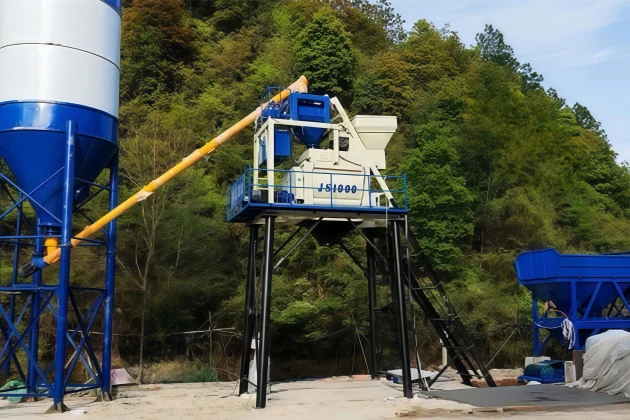
Impianto di betonaggio fisso
(A tramoggia)
La spina dorsale dei mega-progetti.
Capacità: 25 – 200 m³/h
Modelli: Serie HZS
Impianto di betonaggio fisso
(A nastro trasportatore)
La spina dorsale dei mega-progetti.
Capacità: 60 – 240 m³/h
Modelli: Serie HZS
Impianto di betonaggio mobile
Alti tassi di produzione, ovunque tu ne abbia bisogno.
Capacità: 25 – 120 m³/h
Modelli: Serie YHZS
Impianto di betonaggio per calcestruzzo secco
Versatile, veloce e altamente conveniente.
Capacità: 25 – 100 m³/h
Modelli: Serie HZS-G
Impianto di Betonaggio Senza Fondazione
Un'impronta ridotta progettata per grandi affari.
Capacità: 25 – 75 m³/h
Modelli: Serie FHZS
Impianto di Betonaggio Containerizzato
Un'impronta ridotta progettata per grandi affari.
Capacità: 60 – 180 m³/h
Modelli: Serie HZS-C
PROGETTI DI SUCCESSO
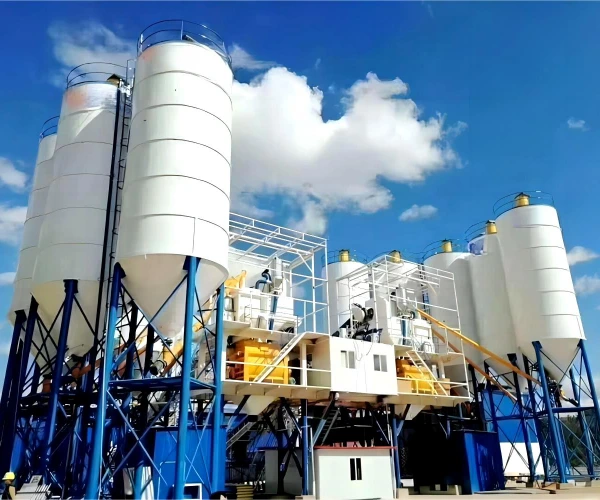
Fornitura Commerciale RMC ad Alto Volume
- Luogo: Filippine
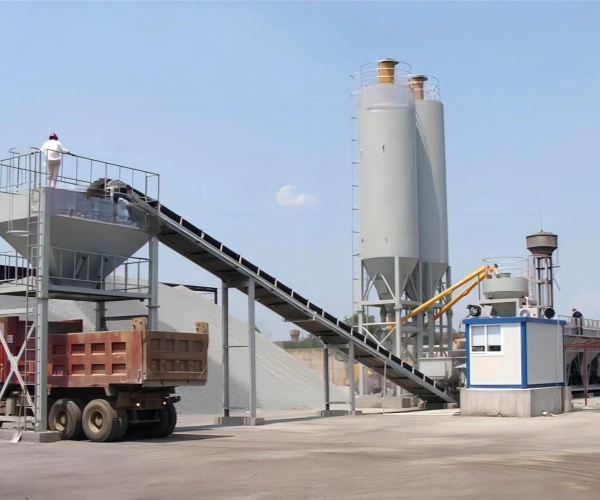
- Attrezzatura: Doppi Impianti di Betonaggio Stazionari HZS120
- Il Risultato: Per soddisfare l'enorme domanda giornaliera di un centro urbano in rapida espansione, il cliente necessitava di produzione continua. La nostra configurazione a doppio impianto con sincronizzazione PLC completamente automatizzata eroga oltre 200 m³/h, operando 24/7 con zero tempi di fermo non programmati.
Progetto Infrastrutturale in Clima Estremo
- Luogo: Uzbekistan
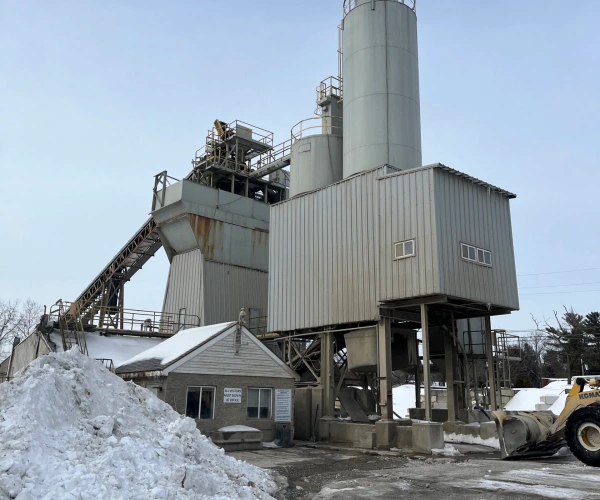
- Attrezzatura: HZS90 con Involucro Invernale e Sistema di Riscaldamento
- Il Risultato: Operando a temperature sotto lo zero, il cliente necessitava di una soluzione affidabile per prevenire il congelamento degli aggregati. Abbiamo fornito un impianto completamente rivestito con riscaldamento a vapore, permettendo al progetto di costruzione autostradale di proseguire senza intoppi durante il rigido inverno.
Costruzione di Dighe ad Alta Precisione
- Luogo: Kenya
- Attrezzatura: HZS180 con Dosaggio di Ghiaccio e Microsilice
- Il Risultato: La costruzione di dighe richiede un controllo rigoroso del calore di idratazione del calcestruzzo. Abbiamo integrato un sistema specializzato di pesatura del ghiaccio in scaglie e mescolatori planetari, garantendo l'esatta integrità strutturale richiesta per questo mega-progetto.