Concrete Batching Plant Price – What Does It Really Cost in 2026?
When planning your next construction project or commercial ready-mix business, the first and most critical question you will ask is: “What is the exact concrete batching plant price?”
A quick search online might show you figures ranging anywhere from $20,000 to over $210,000 USD. This massive gap isn’t a mistake—it reflects the vast differences in production capacity, equipment type, and automation levels across the industry.
We believe in transparent pricing. While every plant we manufacture is engineered to your specific requirements, understanding the baseline price of a concrete batching plant is crucial for your initial budgeting.
According to an authoritative report, the global ready-mix concrete market size is expected to increase from $1.4425 billion in 2024 to $2.201 billion in 2026. This means that the entire industry will face booming demand in the coming years, especially from developing countries. So please seize this great opportunity to purchase concrete batching plants at competitive prices.
Here is a realistic look at the FOB (Free On Board) equipment price ranges you can expect when partnering with a top-tier manufacturer:
- Mini & Small Concrete Batching Plant Price (25m³/h – 50m³/h):
Typically ranges from $15,000 to $45,000 USD. These highly affordable units are perfect for rural development, small contractors, or temporary road repairs where massive output isn’t necessary. - Medium-Capacity Commercial Plants (60m³/h – 90m³/h):
Expect to pay between $45,000 and $80,000 USD. This is the “sweet spot” for mid-sized ready-mix suppliers looking for an excellent balance of cost and continuous, reliable output. - Heavy-Duty Ready Mix Concrete Plant Price (120m³/h – 240m³/h+):
For mega-infrastructure projects or large-scale commercial RMC businesses, high-capacity plants generally start from $90,000 USD and can exceed $200,000 USD depending on advanced configurations like dual-mixers, extra silos, or extreme-weather cladding.
Important Note: The figures above represent the base machinery price. If you are looking for the total investment required to build a fully operational facility (including land, civil works, and auxiliary fleets), please read our comprehensive guide on [Ready Mix Concrete Plant Setup Costs].
Concrete Batching Plant Price List: Which Model Fits Your Project?
Here is the overview of concrete batching plant price for different models for refenece:
Rural development, small housing projects, temporary road repairs.
Skip-hopper feeding, highly cost-effective, compact footprint.
Commercial ready-mix concrete businesses, highways, dams, airports.
Inclined belt conveyor, heavy-duty twin-shaft mixer, fully automated PLC, high-volume continuous output.
Short-to-medium term contractors, wind farms, multi-site projects.
Pre-wired on a towable chassis, rapid deployment, zero civil foundation required.
Long-distance transport, vast geographic areas, lower-grade concrete projects.
No central mixer, extremely low maintenance, fast batching directly into transit trucks.
Tight urban spaces, projects requiring fast relocation but smaller footprints.
Modular design, installed on pre-compacted ground, significant savings on civil works.
High-end urban commercial supply, eco-friendly zones, overseas mega-projects.
Built into standard 40HQ containers, lowest international shipping cost, enclosed zero-dust structure.
Concrete Batching Plants for Sale: 2026 Price List by Type
The price of a concrete batching plant is heavily dictated by its structural design and mobility. A setup designed for a permanent precast factory will have a vastly different cost structure than one designed for temporary road construction.
If you are looking for a reliable concrete plant for sale, here is a breakdown of what you can expect to invest in the current 2026 market:
Stationary Ready Mix Concrete Plant Price ($25,000 – $210,000+)
- The Investment: Stationary plants are heavy-duty workhorses. The base machinery price is highly competitive, starting around $25,000 for a 60m³/h system. However, the upper limit can easily exceed $250,000 for massive 210m³/h twin-mixer commercial hubs with advanced environmental enclosures.
- Why Buy It: They offer the lowest cost-per-cubic-meter over a decade of continuous use. If you are building a permanent commercial RMC business, this is your most profitable long-term choice.
Mobile Concrete Batching Plant Price ($35,000 – $120,000)
- The Investment: The initial mobile concrete batching plant price is typically 15% to 30% higher than a stationary plant of the exact same capacity. For example, a highly popular YHZS60 (60m³/h) mobile unit generally costs between $60,000 and $85,000.
- Why Buy It: You are paying a premium for agility. Because all components are pre-wired on a towable chassis, you save tens of thousands of dollars on deep concrete civil foundations and significantly reduce installation time from weeks to days. It is a strong ROI choice for short-term contractors for short-term contractors.
Small & Mini Concrete Batching Plant Price ($15,000 – $45,000)
- The Investment: If your project requires 25m³/h to 35m³/h, a small concrete mixing plant price is extremely budget-friendly. These often utilize a simple skip-hoist (bucket) loading system rather than a long, expensive belt conveyor.
- Why Buy It: Perfect for rural development, small housing projects, or emerging markets where land is tight and massive upfront capital isn’t available.
The following are the specific parameters of our stationary concrete batching plant (skip hopper and belt conveyor), mobile concrete batching plant, dry mix concrete batching plant and compact concrete batching plant (Foundation-Free and Containerized). We have 6 types of concrete batching plants. If you are interested in concrete mix plants we deliver, you can read concrete batching plant to find your desired product.
Mobile vs. Stationary Type: Under the same capacity, the price of batching plant mobile type is generally higher than stationary ones because their portability and flexibility enable easy relocation and adaptability to various project sites. The mobility comes with advanced engineering and features that facilitate quick setup and operation, which justifies the higher cost.
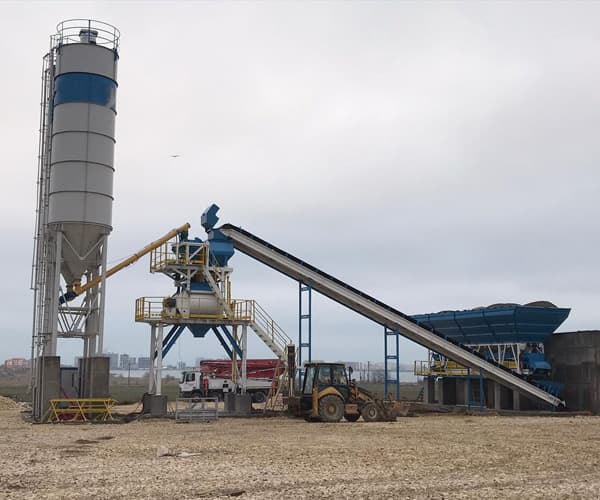
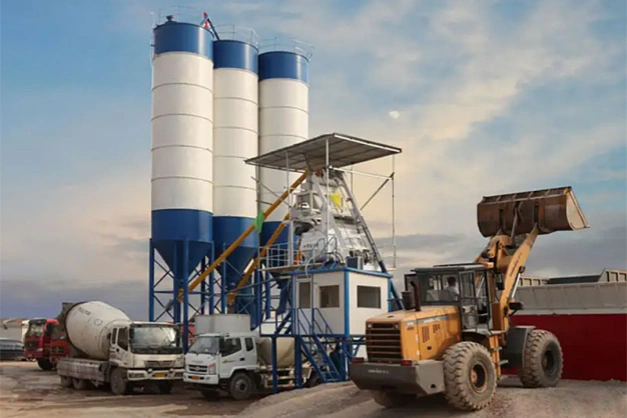
Stationary Concrete Batching Plant
The Backbone of Mega-Projects.
Capacity: 25 – 240 m³/h (Models: HZS Series)
Engineered for massive, long-term infrastructure and commercial ready-mix operations. Available in both space-saving Skip Hopper designs and high-capacity continuous Belt Conveyor configurations to perfectly match your site layout.
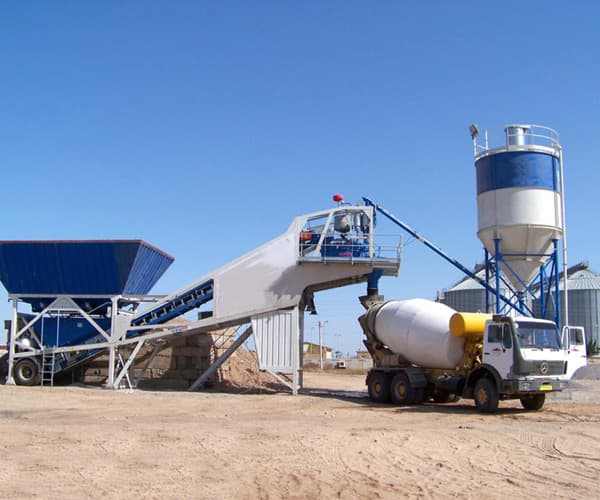
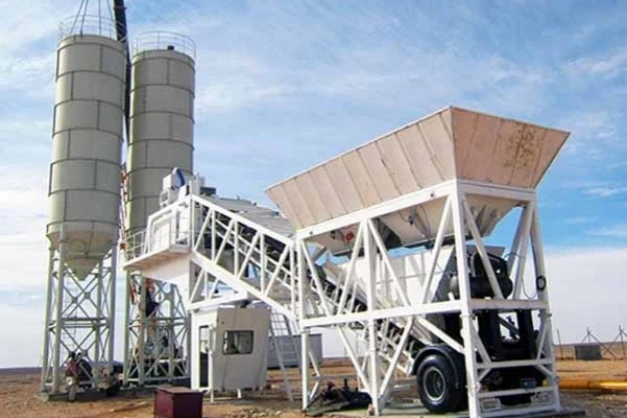
Mobile Concrete Batching Plant
High Production Rates, Anywhere You Need Them.
Capacity: 25 – 120 m³/h (Models: YHZS Series)
Designed for maximum mobility. All core components are pre-wired on a transportable chassis, allowing for rapid assembly and relocation with zero civil foundation work required.
Wet Mix vs. Dry Mix Type: The wet concrete mix plant price is higher due to the need for more complex equipment that facilitates the thorough mixing of water and additives directly into the concrete before it is dispatched. This process requires additional machinery, such as concrete mixers and water dosing systems, which contribute to the overall expense.
Dry mix plants, while generally less costly, may not offer the same level of consistency and control over the concrete mixing process. Thus, if you do not have demands for high-quality concrete, the dry mix plants would be a preferred choice.
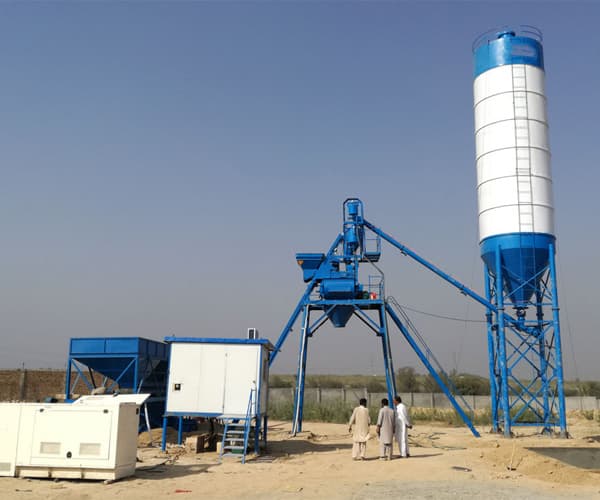
Wet Concrete Batching Plant
Perfect Homogeneity from Start to Finish.
Capacity: 25 – 240 m³/h (Models: HZS Series)
Equipped with heavy-duty twin-shaft or planetary central mixers. These plants guarantee perfectly mixed, high-strength concrete before discharge—essential for precast elements and strict-spec infrastructure.
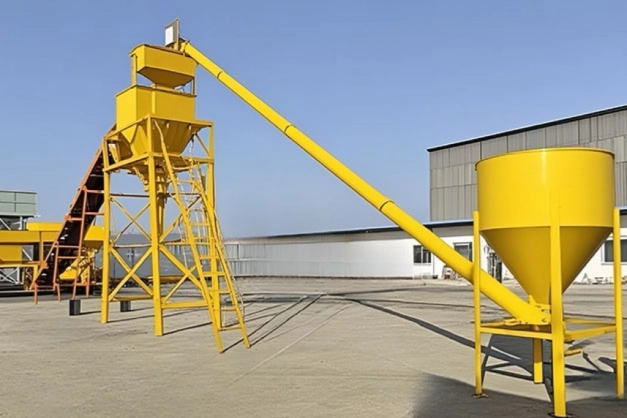
Dry Mix Concrete Batching Plant
Versatile, Fast, and Highly Cost-Effective.
Capacity: 25 – 100 m³/h (Models: HZS-G Series)
For projects where concrete is mixed in the transit truck. With no central mixer, these plants offer rapid batching cycles, extremely low maintenance, and high-volume output for long-distance transport.
Compact Type: The compact type concrete batching plants, present another cost-effective option for specific needs. They are designed to occupy minimal space while still providing efficient production capabilities. Their compact design reduces the need for extensive foundations and civil works, thereby lowering installation costs.
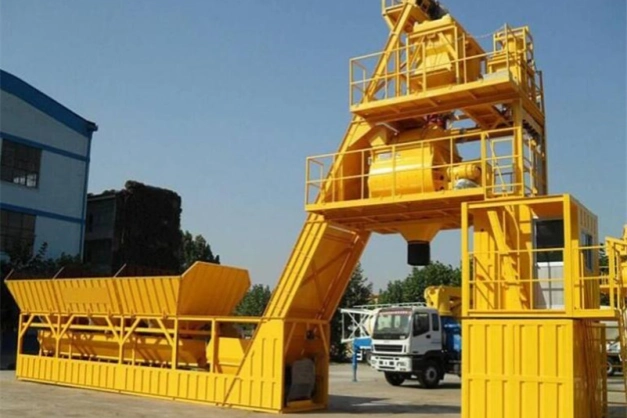
Foundation-Free Concrete Batching Plant
A Small Footprint Designed for Big Business.
Capacity: 25 – 75 m³/h (Models: FHZS Series)
Integrating containerized and foundation-free designs, our compact plants are optimized for limited spaces and cheap international shipping, while delivering state-of-the-art mixing performance.
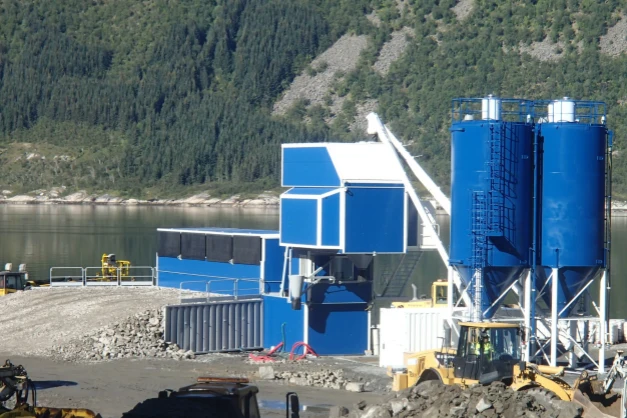
Containerized Concrete Batching Plant
A Small Footprint Designed for Big Business.
Capacity: 60 – 180 m³/h (Models: HZS-C Series)
Integrating containerized and foundation-free designs, our compact plants are optimized for limited spaces and cheap international shipping, while delivering state-of-the-art mixing performance.
Key Factors That Determine the Concrete Batching Plant Price
When comparing quotes from different suppliers, you might notice a $10,000 to $30,000 difference for plants with the exact same theoretical capacity (e.g., 60m³/h). Why does the concrete mixing plant price vary so widely?
The final cost is never just about raw steel. It is determined by the manufacturing quality, the configuration complexity, and the long-term reliability built into the system. Knowing these factors will help you select the right equipment without overspending:
Raw Materials & Manufacturing Process
The main structure of a batching plant relies heavily on industrial steel. Therefore, global steel costs directly impact the equipment’s price. However, what truly separates a premium plant from a cheap one is the manufacturing complexity.
- Our Difference: Advanced processes like precision CNC welding, thick wear-resistant steel plates, and rigorous shot-blasting with double-epoxy anti-rust treatments increase production costs but drastically improve the durability and lifespan of your plant.
Level of Automation
Although fully automatic control systems represent a higher initial investment in your concrete plant cost, they are the ultimate ROI multiplier.
- The ROI Factor: Upgrading to a top-tier PLC system (like Siemens or Schneider) streamlines operations, minimizes human error, and can meaningfully reduce long-term labor costs. A manual or semi-automatic plant is cheaper upfront but far more expensive to run over time.
Core Configuration: Mixers & Aggregate Bins
The specific components you choose directly dictate your plant’s capabilities and its final price tag.
- Mixer Type: Standard Twin-Shaft mixers are cost-effective workhorses. Upgrading to a high-intensity Planetary Mixer (required for zero-slump precast concrete) requires a higher budget.
- Aggregate Batcher: A standard 2-bin or 3-bin setup is affordable. If your project demands complex mix designs requiring 4 to 6 separate aggregate bins, the price will rise due to the extra steel, pneumatic gates, and high-precision load cells.
Additional Customizations & Eco-Upgrades
Modern construction often requires strict compliance with environmental regulations.
- Add-ons that affect price: Adding pulse-jet dust collection systems for zero emissions, installing air-conditioning in the control room, or adding specialized ice/microsilica dosing systems will naturally increase the final concrete mixing plant price.
Brand Reputation & After-Sales Support
Reputable manufacturers like us often charge a fair premium over obscure local workshops. Why? Because you are buying peace of mind.
- The Hidden Value: A slightly higher upfront price includes a proven track record, comprehensive warranties, rapid access to genuine spare parts, and access to technical engineers for on-site installation guidance for installation and training.
Beyond the Machine Price – Other Costs to Consider
While the initial concrete mixing plant price covers the core manufacturing equipment (as detailed above), running a successful concrete business involves broader financial planning. Similar to establishing any major industrial facility, your total budget must factor in operational and setup expenses.
If you are calculating your total investment, keep these four essential categories in mind:
- Scale of Cover Area & Civil Works:
The physical footprint of your plant matters. A compact mobile plant requires almost no foundation, saving you upfront capital. However, a large stationary plant requires leasing or buying a substantial plot of land and investing heavily in robust concrete foundations before the machinery can be erected. - Raw Materials:
The highest ongoing expense in concrete production isn’t the machine—it’s the daily consumption of cement, sand, gravel, and chemical additives. (This is precisely why investing in a higher-priced, fully automated plant with ±1% weighing accuracy of us saves you massive amounts of money in the long run). - Operational Labor & Fleet:
While a premium PLC system reduces control room staff, operating a commercial plant still requires a skilled loader driver, maintenance technicians, and a fleet of transit mixer trucks or concrete pumps to deliver your product. - Electricity, Water & Maintenance:
Heavy-duty twin-shaft mixers consume significant industrial power and water. Additionally, you must budget for routine maintenance parts like mixing blades, liners, and conveyor belts to prevent costly downtime.
Want to see a detailed breakdown of these operational expenses?
Dive into our comprehensive investor’s guide: [Ready Mix Concrete Plant Setup Cost & ROI Calculation].
Understanding FOB, CIF, and Shipping Prices
When you receive a concrete batching plant price quotation from a global manufacturer like us, it is essential to understand exactly what is included. International machinery sales typically use standard trade terms (Incoterms) that dictate who covers the shipping and insurance costs.
Here is how to read your quotation to avoid any hidden surprises:
The Base Machine Cost: FOB Price
- What it means: “Free On Board.” The price you see quoted online or in our initial proposals is usually the FOB price. This covers the manufacturing of the plant and transporting it to the designated port of departure in China (e.g., Qingdao or Shanghai).
- What is NOT included: Ocean freight across the world, marine insurance, and import duties in your home country.
The Delivered Cost: CIF Price
- What it means: “Cost, Insurance, and Freight.” If you request a CIF quotation, we handle everything until the plant arrives at your destination port (e.g., Mombasa, Manila, or Sydney).
- Why choose CIF: It provides peace of mind. You know exactly how much the plant will cost to reach your shores, protecting you from sudden spikes in ocean freight rates. Our experienced logistics team negotiates the best container rates on your behalf.
How we Optimize Your Shipping Price
- Ocean freight for heavy machinery can be incredibly expensive if not engineered correctly. A poorly designed plant might require five 40-foot High Cube (40HQ) containers, instantly adding thousands of dollars to your final concrete plant cost.
We design for minimum logistics impact:
- Containerized Modularity: We engineer our stationary and compact plants to fit perfectly into standard 40HQ containers. Our bolted cement silos (rather than fully welded ones) save massive amounts of shipping volume, significantly lowering your final landed price.
- Zero Missing Parts: Every component is pre-assembled, tested, and meticulously packed at our factory. This ensures maximum container utilization and guarantees that nothing is lost in transit.
Need a precise delivery cost to your country?
Contact us with your target capacity and destination port. Our logistics team will provide a comprehensive CIF quotation within 24 hours.
Insider Tips – How to Get the Best Concrete Batching Plant Price
Every investor wants the best possible deal. However, blindly chasing the lowest concrete plant price usually results in buying inferior, breakdown-prone equipment. To truly save money without compromising on quality, follow these smart purchasing strategies:
Right-Size Your Capacity & Configuration
Don’t over-engineer your plant. Assess your exact daily concrete volume and the specific type of mix you need.
- The Saving Hack: If your project only requires 60m³/h, buying a 120m³/h plant wastes capital. Similarly, if you only produce standard commercial concrete (C20-C40), a robust Twin-Shaft Mixer is highly cost-effective; there is no need to overspend on a high-end Planetary mixer unless you are making strict-spec precast elements.
Negotiate “Bundled Value” Instead of Just Price
When comparing quotes from different manufacturers, don’t just look at the bottom line. Look at what is included.
- The Saving Hack: Instead of aggressively haggling over the steel price, negotiate for bundled services that will save you money later. For example, our premium quotations automatically include a Spare Parts Starter Kit and remote commissioning support. This saves you thousands of dollars in early maintenance and eliminates the headache of sourcing missing parts locally.
Invest in Automation to Slash Labor Costs
A cheap, semi-manual plant might look like a great deal on paper, but it will raise your monthly operating costs through payroll and material waste.
- The Saving Hack: Spending a little more upfront on a fully automated, top-tier PLC system (like Siemens or Schneider) is the ultimate money-saver. It streamlines operations, prevents operator errors, and can reduce your long-term labor costs by up to 60%, accelerating your plant’s ROI significantly.
Plan for Growth with Modular Designs
If your initial budget is tight, do not force yourself to buy an oversized plant that strains your finances.
- The Saving Hack: Invest in a modular batching plant we design. You can start with a basic configuration (e.g., a 60m³/h twin-shaft mixer with two cement silos) to minimize your upfront concrete batch plant cost. As your business scales and wins larger contracts, our modular design allows you to easily add extra silos, expand aggregate bins, or integrate advanced cooling systems later—without having to buy a completely new plant.
New vs. Used Concrete Plant Price – Which is the Better Investment?
When working with a tight budget, searching for a “used concrete batching plant for sale” near you might seem like the smartest financial move. However, comparing the upfront price of a used concrete plant against a brand-new, imported our plant often reveals a surprising reality about long-term profitability.
Before you buy second-hand equipment, consider these hidden costs and operational risks:
The Illusion of a Lower Initial Price
- The Trap: A used plant from a local contractor or auction might have an attractive sticker price. However, you are inheriting someone else’s heavily worn machinery.
- Our Reality: Thanks to our massive manufacturing scale and optimized supply chain, the FOB price of a brand-new concrete batching plant (with modern automation and zero wear-and-tear) of us is highly competitive globally. Often, importing a new, highly efficient plant from our factory costs surprisingly close to—or even less than—a refurbished, decades-old plant in markets like Australia, the UK, or North America.
Maintenance Nightmares vs. Warranty Peace of Mind
- The Trap: Used plants come “as-is,” with zero warranty. Replacing a cracked mixer shaft or a fried, outdated control panel will instantly wipe out the money you saved on the purchase price. Finding spare parts for obsolete models is incredibly difficult and expensive.
- Our Reality: Each of our new plant comes with a comprehensive manufacturer’s warranty. More importantly, we ship your plant with a full package of genuine spare parts (liners, blades, pneumatic valves). You get guaranteed reliability and a 10-15 year lifespan out of the box, with 24/7 technical support from our engineers.
Production Efficiency & Technology
- The Trap: Older plants use outdated, inaccurate weighing systems and slow manual controls. You will waste tons of cement due to poor dosing accuracy (e.g., ±3% error margins).
- Our Reality: Our new plants feature state-of-the-art Siemens/Schneider PLCs with dynamic moisture compensation and strict ±1% weighing accuracy. The material savings alone from a highly automated plant of us will deliver strong long-term material savings.
The Bottom Line
While a used plant may seem cheaper today, the continuous breakdowns, outdated software, and excessive material waste make it a risky investment. By choosing a new concrete plant for sale from us, you get cutting-edge technology, guaranteed uptime, and global warranty support—delivering a significantly higher ROI for your business.
Reduce risk to your project on second-hand machinery.
Contact us today to see how affordable a brand-new, high-performance batching plant can be for your region!
Concrete Batching Plant Price Trends (2026-2027 Outlook)
Understanding how the concrete batching plant price is evolving globally is crucial for making timely, cost-effective investments. If you are planning to purchase a plant in the next 12 to 18 months, here are the key macroeconomic trends shaping the market:
Raw Material Volatility Demands Early Action
- The Trend: Steel constitutes over 40% of the mechanical components in a batching plant. Over the past two years, global steel and electronic component prices have been highly volatile.
- The Price Impact: If material costs remain elevated, industry analysts expect base plant prices to increase by approximately 4% to 7% annually.
- Our Advice: Delaying your purchase will likely cost you more. We highly recommend securing a price-lock contract with us early in your project planning phase to mitigate future cost swings.
The Shift Toward Energy-Efficient Configurations
- The Trend: As global energy costs soar, contractors are moving away from standard motors and demanding high-efficiency plants.
- The Price Impact: Equipping your plant with VFD (Variable Frequency Drive) motors, low-power planetary mixers, and fully insulated silos adds about 8% to 12% to the initial purchase price. However, this eco-friendly upgrade can reduce your annual electricity operating costs by up to 15%, paying for itself rapidly in energy-intensive operations.
Regional Compliance Premiums
- The Trend: The destination country heavily dictates the final configuration and cost of the equipment.
- The Price Impact: If you are importing a plant into strictly regulated, advanced markets like Australia, Europe, or North America, expect a 10% to 15% price premium. This is because the plant must be upgraded with CE-certified electrical components, active pulse-jet dust collectors, and advanced safety enclosures to meet local environmental laws.
- Our Advice: We already hold full CE, ISO, and SGS certifications. We build compliant plants for these advanced regions daily, ensuring you never face customs rejections or site shutdowns.
Why Partnering with CCS Guarantees the Best Concrete Plant Price & Value
Finding the lowest concrete batching plant price on the internet is easy. But finding a reliable, internationally certified manufacturer that delivers uncompromising quality, transparent pricing, and long-term profitability is the real challenge.
As a professional manufacturer with over 32 years of global experience, CCS has earned the trust of top-tier contractors across demanding markets like Southeast Asia, the Middle East, Africa, and Australia. Here is how we maximize your investment:
- Factory-Direct Pricing with Zero Hidden Fees:
We are not middlemen. You are buying directly from our state-of-the-art manufacturing facility. Every quotation we provide is fully itemized and transparent. You will know exactly what you are paying for the core machinery, the optional upgrades, and the shipping costs to your local port. - Customized Solutions to Prevent Overspending:
Every project is unique. Our engineers will never push you to buy an oversized plant. We work closely with you to design a tailored configuration—whether it’s a compact mobile unit or a massive dual-mixer stationary plant—that perfectly aligns with your actual production needs and budget constraints. - Global Turnkey Support:
The listed price is only the beginning. We protect your investment by dispatching expert technicians to your site for foundation guidance, equipment installation, and operator training. Combined with our 24/7 remote PLC diagnostics and rapid spare parts supply, we ensure your plant supports reliable long-term operation.
When planning your next construction project or commercial ready-mix business, the first and most critical question you will ask is: “What is the exact concrete batching plant price?”
A quick search online might show you figures ranging anywhere from $20,000 to over $210,000 USD. This massive gap isn’t a mistake—it reflects the vast differences in production capacity, equipment type, and automation levels across the industry.
We believe in transparent pricing. While every plant we manufacture is engineered to your specific requirements, understanding the baseline price of a concrete batching plant is crucial for your initial budgeting.
According to an authoritative report, the global ready-mix concrete market size is expected to increase from $1.4425 billion in 2024 to $2.201 billion in 2026. This means that the entire industry will face booming demand in the coming years, especially from developing countries. So please seize this great opportunity to purchase concrete batching plants at competitive prices.
Here is a realistic look at the FOB (Free On Board) equipment price ranges you can expect when partnering with a top-tier manufacturer:
- Mini & Small Concrete Batching Plant Price (25m³/h – 50m³/h):
Typically ranges from $15,000 to $45,000 USD. These highly affordable units are perfect for rural development, small contractors, or temporary road repairs where massive output isn’t necessary. - Medium-Capacity Commercial Plants (60m³/h – 90m³/h):
Expect to pay between $45,000 and $80,000 USD. This is the “sweet spot” for mid-sized ready-mix suppliers looking for an excellent balance of cost and continuous, reliable output. - Heavy-Duty Ready Mix Concrete Plant Price (120m³/h – 240m³/h+):
For mega-infrastructure projects or large-scale commercial RMC businesses, high-capacity plants generally start from $90,000 USD and can exceed $200,000 USD depending on advanced configurations like dual-mixers, extra silos, or extreme-weather cladding. Among these, the 120 m³/h (HZS120) is the most popular entry point into commercial production, with prices typically ranging from $90,000 to $160,000 USD — see our complete HZS120 concrete batching plant price guide → for detailed specifications, container loading plans, and ROI analysis. For the largest projects, the HZS240 delivers maximum output for continuous mega-scale supply.
Important Note: The figures above represent the base machinery price. If you are looking for the total investment required to build a fully operational facility (including land, civil works, and auxiliary fleets), please read our comprehensive guide on [Ready Mix Concrete Plant Setup Costs].
Concrete Batching Plant Price List: Which Model Fits Your Project?
Here is the overview of concrete batching plant price for different models for reference:
Rural development, small housing projects, temporary road repairs.
Skip-hopper feeding, highly cost-effective, compact footprint.
Commercial ready-mix concrete businesses, highways, dams, airports.
Inclined belt conveyor, heavy-duty twin-shaft mixer, fully automated PLC, high-volume continuous output.
Short-to-medium term contractors, wind farms, multi-site projects.
Pre-wired on a towable chassis, rapid deployment, zero civil foundation required.
Long-distance transport, vast geographic areas, lower-grade concrete projects.
No central mixer, extremely low maintenance, fast batching directly into transit trucks.
Tight urban spaces, projects requiring fast relocation but smaller footprints.
Modular design, installed on pre-compacted ground, significant savings on civil works.
High-end urban commercial supply, eco-friendly zones, overseas mega-projects.
Built into standard 40HQ containers, lowest international shipping cost, enclosed zero-dust structure.
Concrete Batch Plant for Sale: 2026 Price List by Type
The price of a concrete batching plant is heavily dictated by its structural design and mobility. A setup designed for a permanent precast factory will have a vastly different cost structure than one designed for temporary road construction.
If you are looking for a reliable concrete plant for sale, here is a breakdown of what you can expect to invest in the current 2026 market:
Stationary Ready Mix Concrete Plant Price ($25,000 – $210,000+)
- The Investment: Stationary plants are heavy-duty workhorses. The base machinery price is highly competitive, starting around $25,000 for a 60m³/h system. However, the upper limit can easily exceed $250,000 for massive 210m³/h twin-mixer commercial hubs with advanced environmental enclosures.
- Why Buy It: They offer the lowest cost-per-cubic-meter over a decade of continuous use. If you are building a permanent commercial RMC business, this is your most profitable long-term choice.
Mobile Concrete Batching Plant Price ($35,000 – $120,000)
- The Investment: The initial mobile concrete batching plant price is typically 15% to 30% higher than a stationary plant of the exact same capacity. For example, a highly popular YHZS60 (60m³/h) mobile unit generally costs between $60,000 and $85,000.
- Why Buy It: You are paying a premium for agility. Because all components are pre-wired on a towable chassis, you save tens of thousands of dollars on deep concrete civil foundations and significantly reduce installation time from weeks to days. It is a strong ROI choice for short-term contractors for short-term contractors.
Small & Mini Concrete Batching Plant Price ($15,000 – $45,000)
- The Investment: If your project requires 25m³/h to 35m³/h, a small concrete mixing plant price is extremely budget-friendly. These often utilize a simple skip-hoist (bucket) loading system rather than a long, expensive belt conveyor.
- Why Buy It: Perfect for rural development, small housing projects, or emerging markets where land is tight and massive upfront capital isn’t available.
The following are the specific parameters of our stationary concrete batching plant (skip hopper and belt conveyor), mobile concrete batching plant, dry mix concrete batching plant and compact concrete batching plant (Foundation-Free and Containerized). We have 6 types of concrete batching plants. If you are interested in concrete mix plants we deliver, you can read concrete batching plant to find your desired product.
Mobile vs. Stationary Type: Under the same capacity, the price of batching plant mobile type is generally higher than stationary ones because their portability and flexibility enable easy relocation and adaptability to various project sites. The mobility comes with advanced engineering and features that facilitate quick setup and operation, which justifies the higher cost.
Stationary Concrete Batching Plant
The Backbone of Mega-Projects.
Capacity: 25 – 240 m³/h (Models: HZS Series)
Engineered for massive, long-term infrastructure and commercial ready-mix operations. Available in both space-saving Skip Hopper designs and high-capacity continuous Belt Conveyor configurations to perfectly match your site layout.
Mobile Concrete Batching Plant
High Production Rates, Anywhere You Need Them.
Capacity: 25 – 120 m³/h (Models: YHZS Series)
Designed for maximum mobility. All core components are pre-wired on a transportable chassis, allowing for rapid assembly and relocation with zero civil foundation work required.
Wet Mix vs. Dry Mix Type: The wet concrete mix plant price is higher due to the need for more complex equipment that facilitates the thorough mixing of water and additives directly into the concrete before it is dispatched. This process requires additional machinery, such as concrete mixers and water dosing systems, which contribute to the overall expense.
Dry mix plants, while generally less costly, may not offer the same level of consistency and control over the concrete mixing process. Thus, if you do not have demands for high-quality concrete, the dry mix plants would be a preferred choice.
Wet Concrete Batching Plant
Perfect Homogeneity from Start to Finish.
Capacity: 25 – 240 m³/h (Models: HZS Series)
Equipped with heavy-duty twin-shaft or planetary central mixers. These plants guarantee perfectly mixed, high-strength concrete before discharge—essential for precast elements and strict-spec infrastructure.
Dry Mix Concrete Batching Plant
Versatile, Fast, and Highly Cost-Effective.
Capacity: 25 – 100 m³/h (Models: HZS-G Series)
For projects where concrete is mixed in the transit truck. With no central mixer, these plants offer rapid batching cycles, extremely low maintenance, and high-volume output for long-distance transport.
Compact Type: The compact type concrete batching plants, present another cost-effective option for specific needs. They are designed to occupy minimal space while still providing efficient production capabilities. Their compact design reduces the need for extensive foundations and civil works, thereby lowering installation costs.
Foundation-Free Concrete Batching Plant
A Small Footprint Designed for Big Business.
Capacity: 25 – 75 m³/h (Models: FHZS Series)
Integrating containerized and foundation-free designs, our compact plants are optimized for limited spaces and cheap international shipping, while delivering state-of-the-art mixing performance.
Containerized Concrete Batching Plant
A Small Footprint Designed for Big Business.
Capacity: 60 – 180 m³/h (Models: HZS-C Series)
Integrating containerized and foundation-free designs, our compact plants are optimized for limited spaces and cheap international shipping, while delivering state-of-the-art mixing performance.
Key Factors That Determine the Concrete Batching Plant Price
When comparing quotes from different suppliers, you might notice a $10,000 to $30,000 difference for plants with the exact same theoretical capacity (e.g., 60m³/h). Why does the concrete mixing plant price vary so widely?
The final cost is never just about raw steel. It is determined by the manufacturing quality, the configuration complexity, and the long-term reliability built into the system. Knowing these factors will help you select the right equipment without overspending:
Raw Materials & Manufacturing Process
The main structure of a batching plant relies heavily on industrial steel. Therefore, global steel costs directly impact the equipment’s price. However, what truly separates a premium plant from a cheap one is the manufacturing complexity.
- Our Difference: Advanced processes like precision CNC welding, thick wear-resistant steel plates, and rigorous shot-blasting with double-epoxy anti-rust treatments increase production costs but drastically improve the durability and lifespan of your plant.
Level of Automation
Although fully automatic control systems represent a higher initial investment in your concrete plant cost, they are the ultimate ROI multiplier.
- The ROI Factor: Upgrading to a top-tier PLC system (like Siemens or Schneider) streamlines operations, minimizes human error, and can meaningfully reduce long-term labor costs. A manual or semi-automatic plant is cheaper upfront but far more expensive to run over time.
Core Configuration: Mixers & Aggregate Bins
The specific components you choose directly dictate your plant’s capabilities and its final price tag.
- Mixer Type: Standard Twin-Shaft mixers are cost-effective workhorses. Upgrading to a high-intensity Planetary Mixer (required for zero-slump precast concrete) requires a higher budget.
- Aggregate Batcher: A standard 2-bin or 3-bin setup is affordable. If your project demands complex mix designs requiring 4 to 6 separate aggregate bins, the price will rise due to the extra steel, pneumatic gates, and high-precision load cells.
Additional Customizations & Eco-Upgrades
Modern construction often requires strict compliance with environmental regulations.
- Add-ons that affect price: Adding pulse-jet dust collection systems for zero emissions, installing air-conditioning in the control room, or adding specialized ice/microsilica dosing systems will naturally increase the final concrete mixing plant price.
Brand Reputation & After-Sales Support
Reputable manufacturers like us often charge a fair premium over obscure local workshops. Why? Because you are buying peace of mind.
- The Hidden Value: A slightly higher upfront price includes a proven track record, comprehensive warranties, rapid access to genuine spare parts, and access to technical engineers for on-site installation guidance for installation and training.
Beyond the Machine Price – Other Costs to Consider
While the initial concrete mixing plant price covers the core manufacturing equipment (as detailed above), running a successful concrete business involves broader financial planning. Similar to establishing any major industrial facility, your total budget must factor in operational and setup expenses.
If you are calculating your total investment, keep these four essential categories in mind:
- Scale of Cover Area & Civil Works:
The physical footprint of your plant matters. A compact mobile plant requires almost no foundation, saving you upfront capital. However, a large stationary plant requires leasing or buying a substantial plot of land and investing heavily in robust concrete foundations before the machinery can be erected. - Raw Materials:
The highest ongoing expense in concrete production isn’t the machine—it’s the daily consumption of cement, sand, gravel, and chemical additives. (This is precisely why investing in a higher-priced, fully automated plant of us with ±1% weighing accuracy saves you massive amounts of money in the long run). - Operational Labor & Fleet:
While a premium PLC system reduces control room staff, operating a commercial plant still requires a skilled loader driver, maintenance technicians, and a fleet of transit mixer trucks or concrete pumps to deliver your product. - Electricity, Water & Maintenance:
Heavy-duty twin-shaft mixers consume significant industrial power and water. Additionally, you must budget for routine maintenance parts like mixing blades, liners, and conveyor belts to prevent costly downtime.
Want to see a detailed breakdown of these operational expenses?
Dive into our comprehensive investor’s guide: [Ready Mix Concrete Plant Setup Cost & ROI Calculation].
Understanding FOB, CIF, and Shipping Prices
When you receive a concrete batching plant price quotation from a global manufacturer like us, it is essential to understand exactly what is included. International machinery sales typically use standard trade terms (Incoterms) that dictate who covers the shipping and insurance costs.
Here is how to read your quotation to avoid any hidden surprises:
The Base Machine Cost: FOB Price
- What it means: “Free On Board.” The price you see quoted online or in our initial proposals is usually the FOB price. This covers the manufacturing of the plant and transporting it to the designated port of departure in China (e.g., Qingdao or Shanghai).
- What is NOT included: Ocean freight across the world, marine insurance, and import duties in your home country.
The Delivered Cost: CIF Price
- What it means: “Cost, Insurance, and Freight.” If you request a CIF quotation, we handle everything until the plant arrives at your destination port (e.g., Mombasa, Manila, or Sydney).
- Why choose CIF: It provides peace of mind. You know exactly how much the plant will cost to reach your shores, protecting you from sudden spikes in ocean freight rates. Our experienced logistics team negotiates the best container rates on your behalf.
How We Optimizes Your Shipping Price
- Ocean freight for heavy machinery can be incredibly expensive if not engineered correctly. A poorly designed plant might require five 40-foot High Cube (40HQ) containers, instantly adding thousands of dollars to your final concrete plant cost.
We design for minimum logistics impact:
- Containerized Modularity: We engineer our stationary and compact plants to fit perfectly into standard 40HQ containers. Our bolted cement silos (rather than fully welded ones) save massive amounts of shipping volume, significantly lowering your final landed price.
- Zero Missing Parts: Every component is pre-assembled, tested, and meticulously packed at our factory. This ensures maximum container utilization and guarantees that nothing is lost in transit.
Need a precise delivery cost to your country?
Contact us with your target capacity and destination port. Our logistics team will provide a comprehensive CIF quotation within 24 hours.
Insider Tips – How to Get the Best Concrete Batching Plant Price
Every investor wants the best possible deal. However, blindly chasing the lowest concrete plant price usually results in buying inferior, breakdown-prone equipment. To truly save money without compromising on quality, follow these smart purchasing strategies:
Right-Size Your Capacity & Configuration
Don’t over-engineer your plant. Assess your exact daily concrete volume and the specific type of mix you need.
- The Saving Hack: If your project only requires 60m³/h, buying a 120m³/h plant wastes capital. Similarly, if you only produce standard commercial concrete (C20-C40), a robust Twin-Shaft Mixer is highly cost-effective; there is no need to overspend on a high-end Planetary mixer unless you are making strict-spec precast elements.
Negotiate “Bundled Value” Instead of Just Price
When comparing quotes from different manufacturers, don’t just look at the bottom line. Look at what is included.
- The Saving Hack: Instead of aggressively haggling over the steel price, negotiate for bundled services that will save you money later. For example, our premium quotations automatically include a Spare Parts Starter Kit and remote commissioning support. This saves you thousands of dollars in early maintenance and eliminates the headache of sourcing missing parts locally.
Invest in Automation to Slash Labor Costs
A cheap, semi-manual plant might look like a great deal on paper, but it will raise your monthly operating costs through payroll and material waste.
- The Saving Hack: Spending a little more upfront on a fully automated, top-tier PLC system (like Siemens or Schneider) is the ultimate money-saver. It streamlines operations, prevents operator errors, and can reduce your long-term labor costs by up to 60%, accelerating your plant’s ROI significantly.
Plan for Growth with Modular Designs
If your initial budget is tight, do not force yourself to buy an oversized plant that strains your finances.
- The Saving Hack: Invest in a modular batching plant of us. You can start with a basic configuration (e.g., a 60m³/h twin-shaft mixer with two cement silos) to minimize your upfront concrete batch plant cost. As your business scales and wins larger contracts, our modular design allows you to easily add extra silos, expand aggregate bins, or integrate advanced cooling systems later—without having to buy a completely new plant.
New vs. Used Concrete Plant Price – Which is the Better Investment?
When working with a tight budget, searching for a “used concrete batching plant for sale” near you might seem like the smartest financial move. However, comparing the upfront price of a used concrete plant against a brand-new, imported our plant often reveals a surprising reality about long-term profitability.
Before you buy second-hand equipment, consider these hidden costs and operational risks:
The Illusion of a Lower Initial Price
- The Trap: A used plant from a local contractor or auction might have an attractive sticker price. However, you are inheriting someone else’s heavily worn machinery.
- Our Reality: Thanks to our massive manufacturing scale and optimized supply chain, the FOB price of a brand-new concrete batching plant of us(with modern automation and zero wear-and-tear) is highly competitive globally. Often, importing a new, highly efficient plant from our factory costs surprisingly close to—or even less than—a refurbished, decades-old plant in markets like Australia, the UK, or North America.
Maintenance Nightmares vs. Warranty Peace of Mind
- The Trap: Used plants come “as-is,” with zero warranty. Replacing a cracked mixer shaft or a fried, outdated control panel will instantly wipe out the money you saved on the purchase price. Finding spare parts for obsolete models is incredibly difficult and expensive.
- Our Reality: Each of our new plant comes with a comprehensive manufacturer’s warranty. More importantly, we ship your plant with a full package of genuine spare parts (liners, blades, pneumatic valves). You get guaranteed reliability and a 10-15 year lifespan out of the box, with 24/7 technical support from our engineers.
Production Efficiency & Technology
- The Trap: Older plants use outdated, inaccurate weighing systems and slow manual controls. You will waste tons of cement due to poor dosing accuracy (e.g., ±3% error margins).
- Our Reality: Our new plants feature state-of-the-art Siemens/Schneider PLCs with dynamic moisture compensation and strict ±1% weighing accuracy. The material savings alone from a highly automated plant of us will deliver strong long-term material savings.
The Bottom Line
While a used plant may seem cheaper today, the continuous breakdowns, outdated software, and excessive material waste make it a risky investment. By choosing a new concrete plant for sale from us, you get cutting-edge technology, guaranteed uptime, and global warranty support—delivering a significantly higher ROI for your business.
Reduce risk to your project on second-hand machinery.
Contact us today to see how affordable a brand-new, high-performance batching plant can be for your region!
Concrete Batching Plant Price Trends (2026-2027 Outlook)
Understanding how the concrete batching plant price is evolving globally is crucial for making timely, cost-effective investments. If you are planning to purchase a plant in the next 12 to 18 months, here are the key macroeconomic trends shaping the market:
Raw Material Volatility Demands Early Action
- The Trend: Steel constitutes over 40% of the mechanical components in a batching plant. Over the past two years, global steel and electronic component prices have been highly volatile.
- The Price Impact: If material costs remain elevated, industry analysts expect base plant prices to increase by approximately 4% to 7% annually.
- Our Advice: Delaying your purchase will likely cost you more. We highly recommend securing a price-lock contract with us early in your project planning phase to mitigate future cost swings.
The Shift Toward Energy-Efficient Configurations
- The Trend: As global energy costs soar, contractors are moving away from standard motors and demanding high-efficiency plants.
- The Price Impact: Equipping your plant with VFD (Variable Frequency Drive) motors, low-power planetary mixers, and fully insulated silos adds about 8% to 12% to the initial purchase price. However, this eco-friendly upgrade can reduce your annual electricity operating costs by up to 15%, paying for itself rapidly in energy-intensive operations.
Regional Compliance Premiums
- The Trend: The destination country heavily dictates the final configuration and cost of the equipment.
- The Price Impact: If you are importing a plant into strictly regulated, advanced markets like Australia, Europe, or North America, expect a 10% to 15% price premium. This is because the plant must be upgraded with CE-certified electrical components, active pulse-jet dust collectors, and advanced safety enclosures to meet local environmental laws.
- Our Advice: We already hold full CE, ISO, and SGS certifications. We build compliant plants for these advanced regions daily, ensuring you never face customs rejections or site shutdowns.
Why Partnering with CCS Guarantees the Best Concrete Plant Price & Value
Finding the lowest concrete batching plant price on the internet is easy. But finding a reliable, internationally certified manufacturer that delivers uncompromising quality, transparent pricing, and long-term profitability is the real challenge.
As a professional manufacturer with over 32 years of global experience, CCS has earned the trust of top-tier contractors across demanding markets like Southeast Asia, the Middle East, Africa, and Australia. Here is how we maximize your investment:
- Factory-Direct Pricing with Zero Hidden Fees:
We are not middlemen. You are buying directly from our state-of-the-art manufacturing facility. Every quotation we provide is fully itemized and transparent. You will know exactly what you are paying for the core machinery, the optional upgrades, and the shipping costs to your local port. - Customized Solutions to Prevent Overspending:
Every project is unique. Our engineers will never push you to buy an oversized plant. We work closely with you to design a tailored configuration—whether it’s a compact mobile unit or a massive dual-mixer stationary plant—that perfectly aligns with your actual production needs and budget constraints. - Global Turnkey Support:
The listed price is only the beginning. We protect your investment by dispatching expert technicians to your site for foundation guidance, equipment installation, and operator training. Combined with our 24/7 remote PLC diagnostics and rapid spare parts supply, we ensure your plant supports reliable long-term operation.
HOT-SALE PRODUCTS
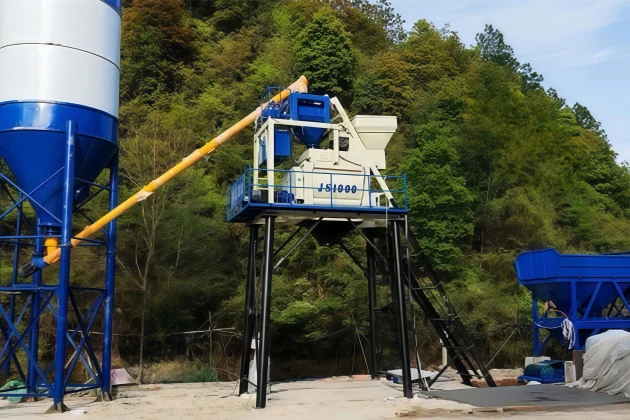
Stationary Concrete Batching Plant
(Skip Hopper)
The Backbone of Mega-Projects.
Capacity: 25 – 200 m³/h
Models: HZS Series
Stationary Concrete Batching Plant
(Belt Conveyor)
The Backbone of Mega-Projects.
Capacity: 60 – 240 m³/h
Models: HZS Series
Mobile Concrete Batching Plant
High Production Rates, Anywhere You Need Them.
Capacity: 25 – 120m³/h
Models: YHZS Series
Dry Mix Concrete Batching Plant
Versatile, Fast, and Highly Cost-Effective.
Capacity: 25 – 100 m³/h
Models: HZS-G Series
Foundation-Free Concrete Batching Plant
A Small Footprint Designed for Big Business.
Capacity: 25 – 75 m³/h
Models: FHZS Series
Containerized Concrete Batching Plant
A Small Footprint Designed for Big Business.
Capacity: 60 – 180 m³/h
Models: HZS-C Series
SUCCESSFUL PROJECTS
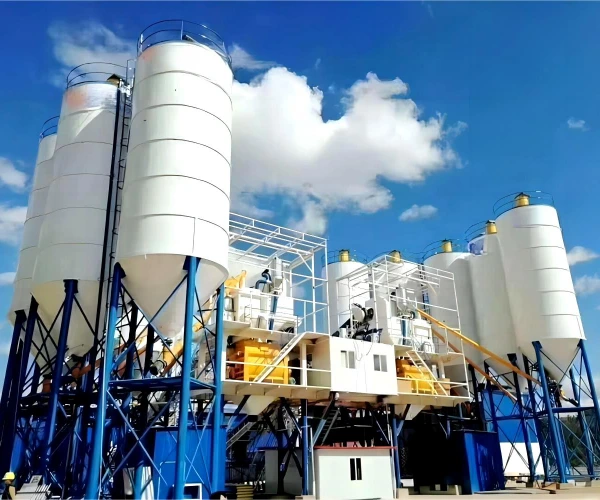
High-Volume Commercial RMC Supply
- Location: Philippines
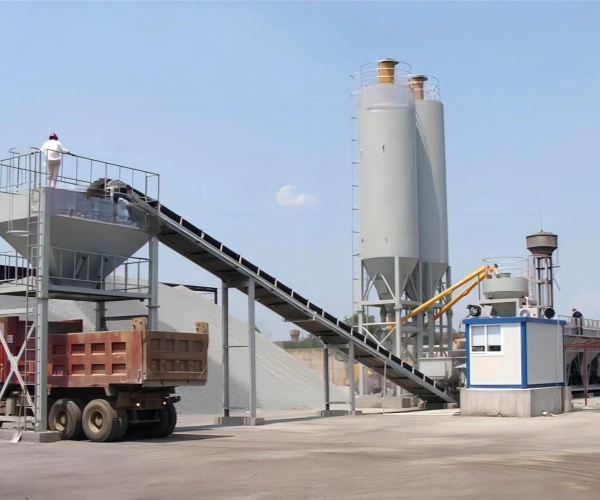
- Equipment: Dual HZS120 Stationary Batching Plants
- The Result: To meet the massive daily demand of a rapidly expanding urban center, the client required non-stop production. Our dual-plant setup with fully automated PLC synchronization delivers over 200m³/h, operating 24/7 with zero unscheduled downtime.
Extreme Climate Infrastructure Project
- Location: Uzbekistan
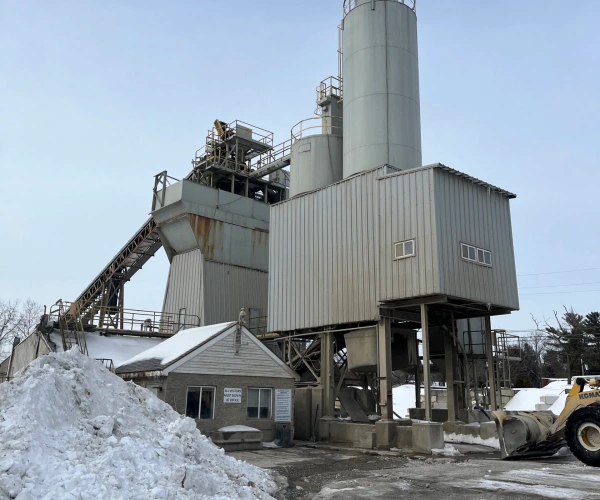
- Equipment: HZS90 with Winter Enclosure & Heating System
- The Result: Operating in sub-zero temperatures, the client needed a reliable solution to prevent aggregate freezing. We delivered a fully cladded plant with steam heating, allowing the highway construction project to continue seamlessly throughout the harsh winter.
High-Precision Dam Construction
- Location: Kenya
- Equipment: HZS180 with Ice & Microsilica Dosing
- The Result: Dam construction requires strict control over concrete hydration heat. We integrated a specialized flake ice weighing system and planetary mixers, ensuring the exact structural integrity required for this mega-project.